Sister Pie Crust
Rate this recipeBe the first to rate
 By AprilPublished
 Have you ever wondered what sets apart a mediocre pie from a heavenly one?
 By AprilPublished
 Have you ever wondered what sets apart a mediocre pie from a heavenly one?
In a food processor, combine salt, sugar, and 1¼ cups of flour. Pulse until well mixed.
Add butter to the mixture and pulse until the largest pieces are about the size of peas.
Transfer the mixture to a medium bowl and freeze it for about 5 minutes.
In a small bowl, combine vinegar and 3 tablespoons of ice water. Sprinkle this mixture over the flour mixture and toss with a fork to incorporate.
Knead the dough until it comes together, with just a few dry spots remaining.
Flatten the dough into a disk and tightly wrap it in plastic. Chill in the refrigerator for at least 2 hours.
Allow the dough to sit at room temperature for 5 minutes to soften.
On a lightly floured surface, roll out the dough into a 12 round, rotating it often and dusting with more flour as needed to prevent sticking.
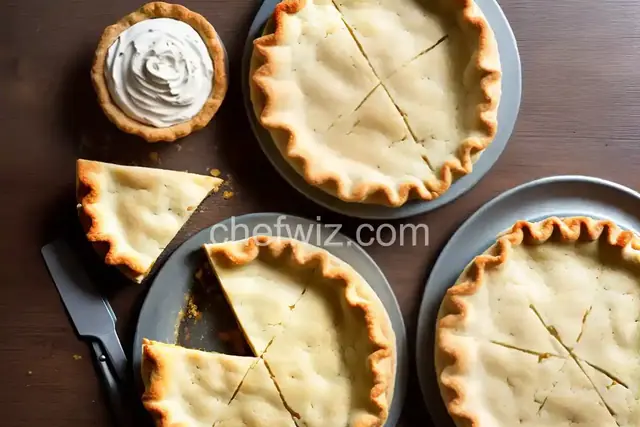
Fold the dough in half and transfer it to a glass 9 pie dish. Lift up the edges and let the dough slump down into the dish, leaving about a 1 overhang. Fold the edges under and crimp.
Place the pie dish on a rimmed baking sheet lined with foil and freeze for 15 minutes.
Preheat the oven to 425°.
Lightly coat a sheet of foil with nonstick spray and place it, coated side down, into the
Have you ever wondered what sets apart a mediocre pie from a heavenly one? It's all in the crust! The crust is the foundation of any pie, and if done right, it can take your culinary creation to new heights. In this article, we will dive into the secrets of Sister Pie Crust, a recipe that guarantees flaky, buttery, and mouth-watering results every time.
Like any masterpiece, Sister Pie Crust requires careful craftsmanship. It's a delicate balance of technique, ingredients, and love. The secret lies in the perfect combination of flour, fat, and liquid. It's a harmonious dance between these elements that creates the ultimate flaky crust.
Imagine the crust as a delicate lace, with each strand adding a layer of texture and flavor. Just like the threads of a tapestry, the layers of Sister Pie Crust intertwine to create a masterpiece that is both visually stunning and incredibly delicious.
Flour is the backbone of any crust. It provides structure and stability, ensuring that your pie holds its shape. All-purpose flour is commonly used, but you can experiment with different types like whole wheat or spelt for added depth of flavor.
But what makes Sister Pie Crust truly exceptional is the addition of a touch of cornmeal. This humble ingredient adds a subtle crunch and a hint of sweetness, elevating your crust to new heights. It's like adding a secret ingredient to an already perfect recipe.
Now, let's talk about the fat. Butter or shortening? This is a question that has divided bakers for years. Both have their merits, but Sister Pie Crust takes it up a notch by using a combination of both. It's the best of both worlds!
Butter adds rich flavor and creates those irresistible golden flakes, while shortening adds tenderness and ensures a tender, melt-in-your-mouth experience. It's a match made in pie heaven.
Now that we have the ingredients, let's dive into the technique. Sister Pie Crust requires a gentle touch and a few key steps to ensure success.
First, it's important to keep everything cold. Cold ingredients and tools are the secret to a flaky crust. Cold butter and shortening create small pockets of steam when they melt in the oven, resulting in those desirable layers.
Next, it's all about the technique. Cutting the fat into the flour with a pastry blender or your fingertips creates a sandy texture that will eventually transform into a masterpiece. Remember, a light touch is key. Overworking the dough will result in a tough crust.
Once the dough comes together, it's time to let it rest. This step allows the gluten to relax and ensures a tender crust. Wrap the dough in plastic wrap and refrigerate it for at least an hour, or even overnight if time allows. Patience is a virtue when it comes to pie crusts.
Sister Pie Crust is the secret to creating pies that will leave your taste buds singing. With its delicate balance of ingredients and careful technique, it transforms a simple dessert into a culinary masterpiece. So, next time you whip up a pie, remember the artistry of Sister Pie Crust and watch as your creation becomes the talk of the town.
While all-purpose flour is commonly used, you can experiment with different types like whole wheat or spelt for added depth of flavor. Just keep in mind that the texture and consistency may vary.
Certainly! Using only butter or shortening will still yield a delicious crust. The combination simply adds an extra layer of flavor and tenderness.
It's recommended to refrigerate the dough for at least an hour to allow the gluten to relax. However, if time permits, overnight refrigeration will yield the best results.
Absolutely! You can freeze the dough for up to three months. Just make sure to wrap it tightly in plastic wrap and place it in a freezer-safe bag or container.
Yes, you can blind bake the crust for recipes that require pre-baked shells. Simply line the crust with parchment paper and fill it with pie weights or dried beans before baking.
To prevent a soggy bottom crust, you can brush it with a thin layer of beaten egg white before adding the filling. This creates a protective barrier and keeps the crust crisp.
Absolutely! Feel free to experiment with spices like cinnamon or herbs like thyme to add an extra layer of flavor to your crust. Just keep the amounts subtle to avoid overpowering the other flavors.
Definitely! Sister Pie Crust is versatile and can be used for both sweet and savory pies. Just adjust the sugar accordingly or omit it completely for savory applications.
Absolutely! Once baked, you can refrigerate the pie for up to three days or freeze it for up to three months. Just make sure to wrap it tightly with plastic wrap or foil to prevent freezer burn.
AprilCook, recipe developer and the heart of Chefwiz. More about April