Siopao (Filipino Steamed Buns)
Rate this recipeBe the first to rate
 By AprilPublished
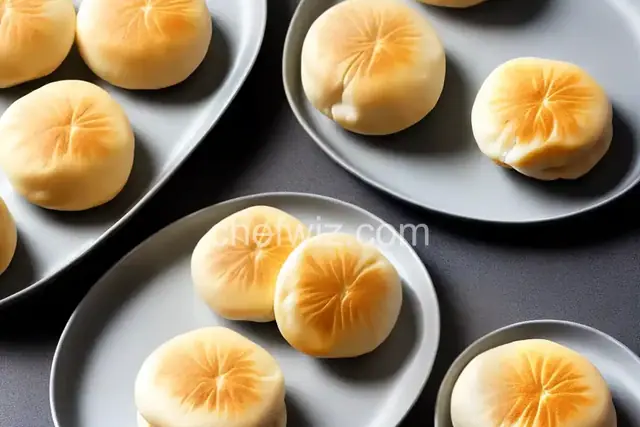
 Have you ever tried siopao, those fluffy and delicious steamed buns that are a staple in Filipino cuisine?
 By AprilPublished
 Have you ever tried siopao, those fluffy and delicious steamed buns that are a staple in Filipino cuisine?
In a large bowl, combine flour, sugar, salt, and yeast.
Add water and 1/4 cup of oil to the mixture and mix until a dough forms.
Knead the dough for at least 10 minutes, until it becomes smooth and elastic. Add extra flour if needed.
Warm up the oven for 1 minute, then turn it off.
Oil a large bowl and place the dough inside. Cover the bowl with cheesecloth.
Put the bowl in the warmed oven and let the dough rise until it doubles in size, which should take about 1 hour.
Punch down the dough and keep it in the oven for at least 15 more minutes to allow it to rise again.
Knead the dough on a flat work surface and divide it into 12 golf-sized balls.
Roll out each ball and fill it with your choice of filling, such as the chicken and pork filling mentioned in the footnote.
Gather and twist the edges of each filled dough ball together to secure the filling.
Place each siopao on a 3x3-inch piece of wax paper.
Put the siopao in a steamer and steam them for 30 minutes.
To fill the buns, place the chicken and pork filling on the flattened dough balls.
Gather and twist the edges of each dough ball together to secure the filling.
15.
Have you ever tried siopao, those fluffy and delicious steamed buns that are a staple in Filipino cuisine? If not, you're missing out on a delightful culinary experience that combines the comfort of bread with flavorful fillings. In this article, we'll explore the wonders of siopao, its origins, different types, and how to enjoy them to the fullest. So, let's dive in and discover the world of siopao!
Siopao, also known as steamed buns or baozi, traces its roots back to China. It is believed to have been introduced to the Philippines by Chinese immigrants, who brought along their culinary traditions. Over time, siopao has evolved to incorporate local flavors and ingredients, making it a unique Filipino delicacy.
Siopao comes in different variations, each with its distinctive flavors and fillings. The most common types include:
These are just a few examples of the many variations you can find. Each type offers a unique taste experience, so why not try them all and find your favorite?
Siopao is not just about the filling; it's also about the overall experience of enjoying these fluffy buns. Here are some tips to help you savor the flavors:
The steamed bun is a crucial element of siopao. Its soft and fluffy texture complements the filling perfectly. As you take your first bite, notice the delicate balance between the pillowy exterior and the savory interior.
While siopao is delicious on its own, you can take it to the next level by dipping it in a flavorful sauce. Whether it's a soy-based dipping sauce or a spicy chili sauce, the added tanginess or heat can elevate the taste experience.
Siopao can be enjoyed as a standalone snack or as part of a meal. Pair it with a bowl of warm soup or a refreshing drink to create a satisfying and balanced dining experience.
Siopao is more than just a steamed bun; it's a cultural icon that represents the fusion of Chinese and Filipino culinary traditions. Its fluffy texture, combined with a variety of flavorful fillings, makes it a must-try for food enthusiasts. So, the next time you come across a siopao, take a bite and embark on a delightful gastronomic journey!
While siopao and baozi share similarities, they have distinct differences. Siopao is usually larger and has a thicker dough compared to the smaller and thinner baozi.
Yes, you can freeze siopao to enjoy it later. Just make sure to wrap it tightly in plastic wrap or place it in an airtight container before freezing.
To reheat siopao, you can steam it for a few minutes until it is heated through. Alternatively, you can microwave it for about 30 seconds to 1 minute, depending on the wattage of your microwave.
Absolutely! You can get creative with siopao fillings and make delicious vegetarian versions. Fillings like tofu, mushrooms, and vegetables can be used to create a flavorful and satisfying siopao.
Traditional siopao is made with wheat flour, so it is not gluten-free. However, you can explore gluten-free alternatives or recipes that use alternative flours to make gluten-free siopao.
While siopao is typically savory, there are also sweet variations available. Sweet siopao usually has fillings like custard, red bean paste, or chocolate, offering a delightful dessert-like experience.
Yes, you can make siopao at home! There are numerous recipes available online that provide step-by-step instructions to help you create your own delicious siopao from scratch.
Siopao has gained popularity worldwide, and you can find it in Filipino restaurants or Asian food markets in various countries. Next time you're exploring international cuisine, keep an eye out for siopao!
AprilCook, recipe developer and the heart of Chefwiz. More about April