Singapore Noodles
Rate this recipeBe the first to rate
 By AprilPublished
 Have you ever tried Singapore noodles? If not, you're in for a treat!
 By AprilPublished
 Have you ever tried Singapore noodles? If not, you're in for a treat!
Fill a large pot with water and add a small amount of salt.
Place the pot on the stove and bring the water to a boil.
Once the water is boiling, add the pasta to the pot and cook it until it is firm to the bite (al dente), usually around 8 to 10 minutes.
Drain the cooked pasta using a colander or strainer.
In a deep skillet or frying pan, heat some oil over medium-high heat.
Add the chicken, pork, and garlic to the skillet and cook them until they are browned.
Reduce the heat to medium-low.
Add the onion, carrots, and water to the skillet.
Cover the skillet and let the vegetables steam for about 5 minutes.
Stir in the celery and shrimp.
Cover the skillet again and steam for an additional 2 minutes.
Mix in the bean sprouts, soy sauce, and curry powder.
Stir everything together until it is well blended and hot, usually around 4 to 5 minutes.
Add the cooked noodles to the skillet.
Toss the noodles well to ensure they are coated with the sauce and ingredients.
Have you ever tried Singapore noodles? If not, you're in for a treat! This delectable dish is a perfect fusion of flavors that will transport your taste buds to the bustling streets of Singapore. The vibrant colors, aromatic spices, and tantalizing textures make it a favorite among food lovers. Let's dive into the world of Singapore noodles and discover what makes them so special.
Contrary to popular belief, Singapore noodles did not actually originate in Singapore. In fact, you won't find this dish on the menus of local Singaporean eateries. So where did it come from? The origins of Singapore noodles can be traced back to the Chinese immigrants who settled in Southeast Asia. They brought with them their culinary traditions and adapted them to the local ingredients available.
One of the things that sets Singapore noodles apart is its incredible burst of flavors. The combination of spices, sauces, and fresh ingredients creates a harmonious symphony in your mouth. Each bite is a delightful explosion of sweet, salty, tangy, and savory flavors that dance on your taste buds. It's like a party in your mouth!
The secret to the amazing flavor profile of Singapore noodles lies in the spices and sauces used. A medley of spices like curry powder, turmeric, and chili flakes adds a kick of heat and depth to the dish. The noodles are also tossed in a delectable combination of soy sauce, oyster sauce, and sesame oil, which brings out the umami flavors.
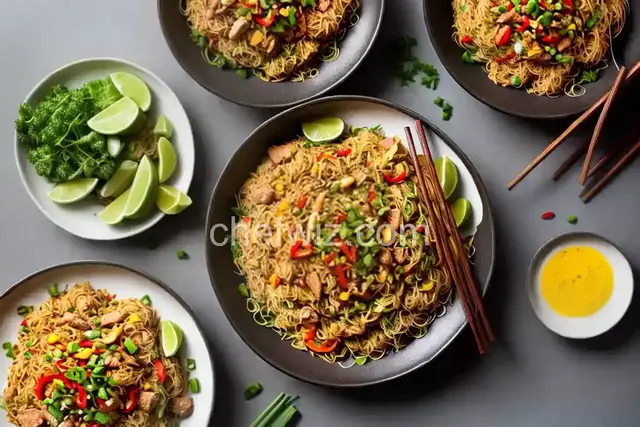
Another key component of Singapore noodles is the fresh ingredients that are used. From crunchy vegetables like bell peppers, carrots, and bean sprouts to succulent shrimp, chicken, or tofu, each ingredient adds its own unique texture and taste to the dish. The vibrant colors of the vegetables make the dish visually appealing, making you want to dig in even more!
One of the best things about Singapore noodles is that they are surprisingly easy to make. With just a few simple steps, you can recreate this mouthwatering dish in your own kitchen. Whether you're a novice cook or an experienced chef, you can whip up a plate of Singapore noodles that will impress your family and friends.
Singapore noodles are a delightful fusion of flavors that will take your taste buds on a culinary adventure. The combination of spices, sauces, and fresh ingredients creates a symphony of tastes that is hard to resist. Whether you're a spice lover or prefer a milder version, Singapore noodles can be customized to suit your preferences. So why not bring a taste of Singapore to your kitchen and indulge in this mouthwatering dish?
Yes, Singapore noodles can be spicy, but the level of spiciness can be adjusted according to your taste preferences. You can add more or less chili flakes to control the heat.
Absolutely! Singapore noodles can be easily customized to suit a vegetarian diet. Simply omit the meat or substitute it with tofu or tempeh for a delicious vegetarian version.
Unfortunately, traditional Singapore noodles are not gluten-free due to the use of wheat-based noodles. However, you can make gluten-free Singapore noodles by using rice noodles instead.
While it's best to enjoy Singapore noodles fresh, you can make them in advance and store them in the refrigerator for a day or two. Just make sure to reheat them gently to prevent the noodles from becoming mushy.
Yes, you can get creative and add your favorite vegetables to Singapore noodles. Broccoli, mushrooms, and snow peas are great options that complement the dish well.
Singapore noodles can be a healthy option if you use lean proteins, load up on vegetables, and control the amount of oil and sauces used. It's all about balance and moderation!
If you're a spice lover, you can definitely amp up the heat in Singapore noodles. Add extra chili flakes or even some fresh chili peppers to give it an extra kick.
It's not recommended to freeze Singapore noodles as the texture of the noodles may change after thawing. It's best to enjoy them fresh or store them in the refrigerator for a short period of time.
AprilCook, recipe developer and the heart of Chefwiz. More about April