Simple Steamed Artichokes
Rate this recipeBe the first to rate
 By AprilPublished
 Are you looking for a fuss-free way to enjoy the deliciousness of artichokes?
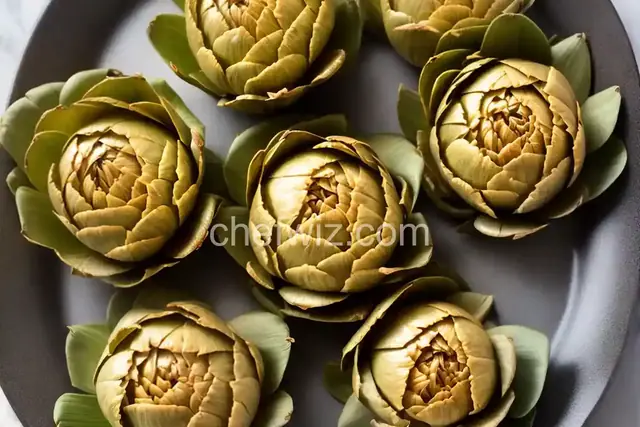 By AprilPublished
 Are you looking for a fuss-free way to enjoy the deliciousness of artichokes?
Remove the stem from the artichokes and discard it, ensuring that the bottom of each artichoke is flat.
Cut off approximately 1 inch from the top of each artichoke and discard.
Use kitchen scissors to trim off the thorny ends from each leaf of the artichoke.
In a pot, pour a couple of inches of water and add garlic, lemon juice, and bay leaf to the water.
Place a steamer basket in the pot, ensuring that the water does not overflow onto the basket.
Rest the artichokes on the flattened bottoms in the steamer basket.
Bring the water to a boil, cover the pot, and cook for 20 to 30 minutes, or until the leaves can be easily pulled off the artichoke.
Are you looking for a fuss-free way to enjoy the deliciousness of artichokes? Look no further! In this article, we'll explore the simple and satisfying method of steaming artichokes. Steaming not only brings out the natural flavors of the artichoke but also preserves its nutrients, making it a healthy and tasty addition to any meal. So let's dive in and discover the joy of simple steamed artichokes!
Steaming artichokes is like unlocking a treasure chest of flavors. It allows the artichoke to retain its unique taste while enhancing its natural sweetness. Unlike other cooking methods that can dull the flavors, steaming keeps the artichoke tender and succulent. Plus, steamed artichokes are a nutritious choice, packed with vitamins, minerals, and fiber.
Steaming artichokes is a breeze. All you need is a pot with a steamer basket, water, and your artichokes. Start by trimming the sharp tips of the artichoke leaves and cutting off the stem. Then, place the artichokes in the steamer basket and add water to the pot. Bring the water to a boil, cover the pot, and let the artichokes steam for about 30-40 minutes or until the leaves are tender. Once they're done, remove the artichokes from the pot and let them cool slightly before serving.
Steamed artichokes are delicious on their own, but they can be taken to the next level with flavorful dipping sauces. Whether you prefer a tangy lemon butter sauce, a creamy aioli, or a zesty vinaigrette, the options are endless. Experiment with different sauces to find your perfect match. And if you're feeling adventurous, pair your steamed artichokes with a refreshing glass of white wine or a crisp salad for a complete culinary experience.
Steamed artichokes are a simple yet delightful way to enjoy this versatile vegetable. With their tender leaves and flavorful hearts, they are sure to satisfy even the most discerning taste buds. So next time you're in the mood for a healthy and tasty treat, give steamed artichokes a try. Your palate will thank you!
Look for artichokes that have tight, compact leaves and feel heavy for their size. Avoid artichokes with brown spots or leaves that are starting to open.
Yes, you can steam frozen artichokes. Just make sure to thaw them before steaming, and adjust the cooking time accordingly.
While it's possible to steam artichokes in the microwave, the results may not be as flavorful and tender as steaming on the stovetop. It's best to stick to traditional steaming methods for optimal results.
You can check if the artichokes are done by gently pulling on one of the outer leaves. If it comes off easily, and the flesh at the base of the leaf is tender, then they're ready to be enjoyed.
While the outer leaves of the artichoke are tough and fibrous, the inner leaves and heart are tender and delicious. Simply scrape the flesh off the leaves with your teeth, and savor the heart at the center.
Steamed artichokes can be stored in the refrigerator for up to three days. Keep them in an airtight container to maintain their freshness.
Yes, you can freeze steamed artichokes. Place them in a freezer-safe bag or container and freeze for up to six months. Thaw them in the refrigerator before reheating.
Absolutely! Artichokes are low in calories and high in fiber, antioxidants, and vitamins C and K. They also contain minerals like magnesium, potassium, and iron.
AprilCook, recipe developer and the heart of Chefwiz. More about April