Simple Sous Vide Steak
Rate this recipeBe the first to rate
 By AprilPublished
 Have you ever wondered how to achieve that perfect, juicy and tender steak every time?
 By AprilPublished
 Have you ever wondered how to achieve that perfect, juicy and tender steak every time?
Attach the sous vide machine to a tall large pot or use a stand if available.
Fill the pot with warm water, following the manufacturer's instructions for the appropriate water level (keep in mind that the water level will rise when the steaks are added).
On all sides of the steak, rub garlic powder, onion powder, 1 tsp. salt, and ¼ tsp. pepper.
Place the seasoned steak in a bag.
Lightly bruise the rosemary and thyme by smacking them against a cutting board or rolling them in your hands to release their oils. Add the herbs to the bag.
Vacuum seal the bag or partially close it, removing as much air as possible to prevent it from floating. If using a resealable plastic bag, push it down into the water to fully submerge it and close it tightly. It is important that the contents of the bag are completely submerged in water for proper cooking.
Turn on the sous vide machine and set the water temperature to 130°. This temperature will result in a tender, medium-rare steak. Adjust the temperature by 5° if you prefer your steak more or less well done.
Use a small clip to secure the top edge of the resealable bag to the rim of the pot, positioning it opposite the machine's water outlet. This will help keep the bag submerged as the water circulates. If using a vacuum-se
Have you ever wondered how to achieve that perfect, juicy and tender steak every time? Look no further than the sous vide cooking method. Sous vide, which means "under vacuum" in French, is a culinary technique that involves cooking food in a temperature-controlled water bath. It's like giving your steak a luxurious spa treatment before it hits the grill or skillet. In this article, we will explore the simple sous vide steak method and how you can easily master it in your own kitchen.
Imagine you have a beautiful piece of steak. Instead of throwing it directly onto a hot pan or grill, you seal it in a plastic bag and immerse it in a water bath. The water bath is set to a precise temperature, ensuring consistent and accurate cooking. This gentle and controlled method allows the steak to cook evenly from edge to edge, resulting in a perfectly cooked piece of meat.
To begin, you'll need a sous vide machine, also known as an immersion circulator, which heats and circulates the water in the cooking vessel. Simply attach the machine to a pot or container filled with water, set the desired temperature, and let it work its magic.
Before placing the steak in the water bath, it's important to season it with your desired flavors. This could include salt, pepper, garlic, or any other seasoning of your choice. Once seasoned, seal the steak in a plastic bag using a vacuum sealer or the water displacement method. The goal is to remove as much air as possible to ensure an airtight seal.
To use the water displacement method, partially seal the bag with the steak inside. Slowly lower the bag into the water, allowing the water pressure to push out the air. Once most of the air is removed, seal the bag completely.
Each cut of steak will have its ideal cooking time and temperature. However, a general guideline is to cook the steak at a temperature that is slightly lower than your desired doneness. For example, if you prefer a medium-rare steak, set the sous vide machine to 130°F (54°C). Cooking times can vary but typically range from 1 to 4 hours. The longer the steak cooks, the more tender it will become.
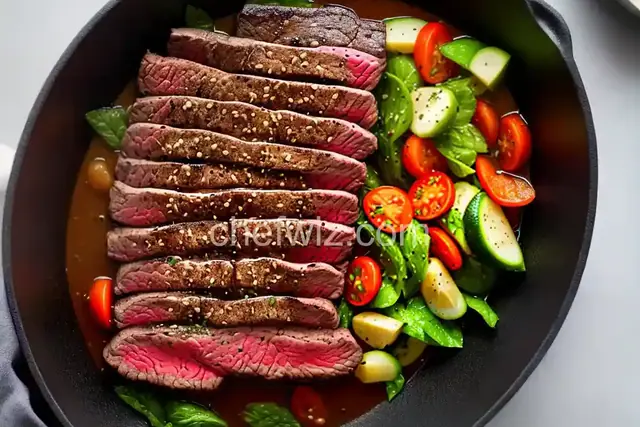
Once the steak has finished cooking in the water bath, it may look less appetizing than you'd expect. But fear not! A quick sear on a hot grill or skillet will give it that beautiful caramelized crust. Heat your cooking surface to high heat and sear the steak for about a minute on each side. This step adds flavor, texture, and that sought-after charred exterior.
By using the sous vide cooking method, you can achieve restaurant-quality steak in the comfort of your own kitchen. The precise temperature control ensures consistent results every time, leaving you with a perfectly cooked, tender, and juicy steak. So why not elevate your steak game and give sous vide a try? Your taste buds will thank you!
Yes, you can use any cut of steak for sous vide. However, keep in mind that different cuts will require different cooking times and temperatures to achieve the desired doneness.
Yes, sous vide is a safe cooking method as long as you follow proper food safety guidelines. Make sure to cook your steak at a temperature that will kill any harmful bacteria.
While it's best to season the steak before cooking sous vide to allow the flavors to penetrate the meat, you can also season it after cooking if desired.
Yes, you can sous vide frozen steak. Simply increase the cooking time by about 50% to account for the frozen state of the meat.
While a vacuum sealer provides the best results by creating an airtight seal, you can also use the water displacement method to remove air from the bag.
It is generally safe to leave the sous vide machine unattended, as long as you follow the recommended cooking guidelines and ensure that the water level remains constant.
It is not recommended to reuse the cooking water, as it may contain bacteria or food particles from the previous cook. It's best to discard the water after each use.
Absolutely! Sous vide is not limited to just steak. You can also cook vegetables, fish, chicken, and even desserts using this method. The possibilities are endless!
AprilCook, recipe developer and the heart of Chefwiz. More about April