Simple Arrabbiata Sauce
Rate this recipeBe the first to rate
 By AprilPublished
 Have you ever craved a pasta sauce that packs a punch of flavor?
 By AprilPublished
 Have you ever craved a pasta sauce that packs a punch of flavor?
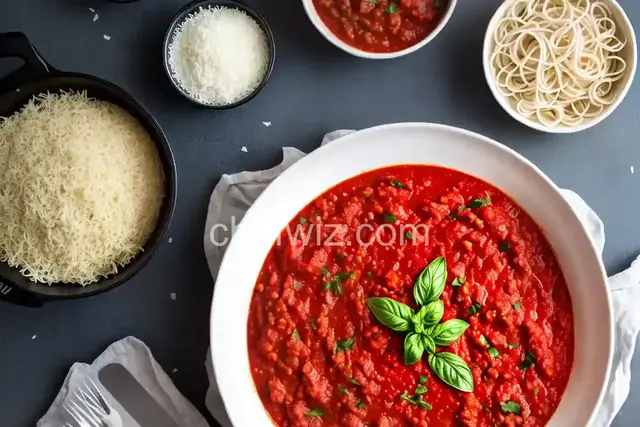
In a large saucepan, mix together tomatoes, olive oil, and red pepper flakes.
Allow the mixture to simmer until the sauce thickens, which should take approximately 30 to 40 minutes.
After that, add garlic to the saucepan and continue simmering for an additional 10 minutes.
Remove the saucepan from heat and stir in basil, salt, and pepper.
Have you ever craved a pasta sauce that packs a punch of flavor? Look no further than arrabbiata sauce! This fiery Italian delight is perfect for those who love a little heat in their meals. In this article, we'll dive into the world of arrabbiata sauce, exploring its origins, flavor profile, and how you can easily make it at home. Get ready to tantalize your taste buds with this simple yet sensational sauce!
Arrabbiata, which translates to "angry" in Italian, is a fitting name for this sauce that is known for its spicy kick. Hailing from the Lazio region of Italy, arrabbiata sauce has been a staple in Italian cuisine for centuries. It is believed to have originated in the 17th century and has since become a beloved addition to pasta dishes around the world.
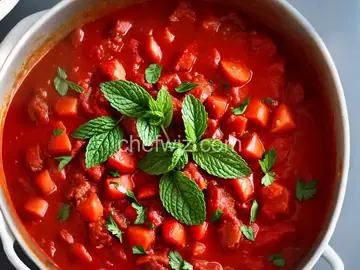
Arrabbiata sauce is all about bold flavors and fiery heat. The main ingredients that give this sauce its characteristic taste are tomatoes, garlic, and red chili peppers. The combination of these ingredients creates a harmonious blend of tangy, sweet, and spicy flavors that will awaken your senses.
Imagine a symphony of flavors dancing on your palate - the rich and slightly acidic taste of tomatoes, the pungent aroma of garlic, and the fiery kick of red chili peppers. This sauce is not for the faint of heart, but for those who crave a culinary adventure.
Creating your own arrabbiata sauce at home is easier than you might think. With just a handful of ingredients and a little bit of patience, you can whip up a batch of this spicy delight in no time.
Start by sautéing minced garlic in olive oil until it becomes fragrant. Then, add crushed tomatoes and let the mixture simmer for a while to allow the flavors to meld together. Finally, sprinkle in some red chili flakes to add that signature spiciness. Voila! Your homemade arrabbiata sauce is ready to be tossed with your favorite pasta.
If you prefer a milder version of arrabbiata sauce, you can adjust the amount of red chili flakes according to your taste. Remember, it's all about finding the perfect balance between heat and flavor.
Arrabbiata sauce is a spicy delight that adds a kick to your favorite pasta dishes. With its origins in Italy and a flavor profile that combines tangy tomatoes, pungent garlic, and fiery chili peppers, this sauce is sure to awaken your taste buds. Making arrabbiata sauce at home is a breeze, allowing you to customize the level of heat according to your preference.
So why not bring some heat to your next meal? Give arrabbiata sauce a try and let your taste buds embark on a fiery adventure.
No, arrabbiata sauce can be used in various ways. It pairs well with grilled meats, as a dipping sauce for bread, or even as a spicy topping for pizza.
Absolutely! Using fresh tomatoes can give your arrabbiata sauce a vibrant and fresh taste. Simply blanch and peel the tomatoes before adding them to the sauce.
Homemade arrabbiata sauce can be stored in an airtight container in the refrigerator for up to a week. You can also freeze it for longer storage.
While garlic is a key ingredient in traditional arrabbiata sauce, you can omit it if you have dietary restrictions or simply prefer a milder flavor.
Yes, arrabbiata sauce is typically vegan as it does not contain any animal products. However, always double-check the ingredients to be sure.
To add extra depth to your arrabbiata sauce, you can experiment with herbs like basil, oregano, or parsley. A pinch of sugar can also help balance the acidity of the tomatoes.
Yes, you can reduce the amount of red chili flakes or even substitute them with milder spices like paprika or cayenne pepper.
While the basic ingredients of arrabbiata sauce remain the same, some regional variations may include additional ingredients like pancetta, onions, or even anchovies for added depth of flavor.
AprilCook, recipe developer and the heart of Chefwiz. More about April