Shrimp Étouffée Recipe
Rate this recipeBe the first to rate
 By AprilPublished
 Are you ready to embark on a culinary adventure that will transport your taste buds to the vibrant streets of New Orleans?
 By AprilPublished
 Are you ready to embark on a culinary adventure that will transport your taste buds to the vibrant streets of New Orleans?
Begin by peeling and removing the veins from the shrimp. Set aside the shrimp shells. If using head-on shrimp, twist off the heads and set them aside with the shells. In a medium bowl, combine the peeled shrimp with 2 teaspoons of salt and 1/2 teaspoon of baking soda. Stir well and refrigerate until ready to use.
Heat oil in a heavy-bottomed stockpot or Dutch oven over high heat until it starts shimmering. Add the shrimp shells and heads (if using). Stir constantly and scrape up any browned bits from the bottom of the pot. Cook for about 4 minutes or until it becomes difficult to remove the browned bits without burning them. Lower the heat if necessary to prevent burning.
Add the onion, celery, and garlic to the pot. Continue cooking and stirring until the vegetables have softened. Stir in the tomato paste until well incorporated. If using sherry or brandy, add it to the pot and bring to a boil while scraping up any browned bits. Then, add 2 quarts (1.9L) of water. If not using sherry or brandy, add the water directly.
Add the bay leaf, parsley, and thyme to the pot. Bring to a gentle simmer and cook for 45 minutes. Strain the stock without skimming the oil from the surface as it contains shrimp flavor and won't affect the étouffée.
In a
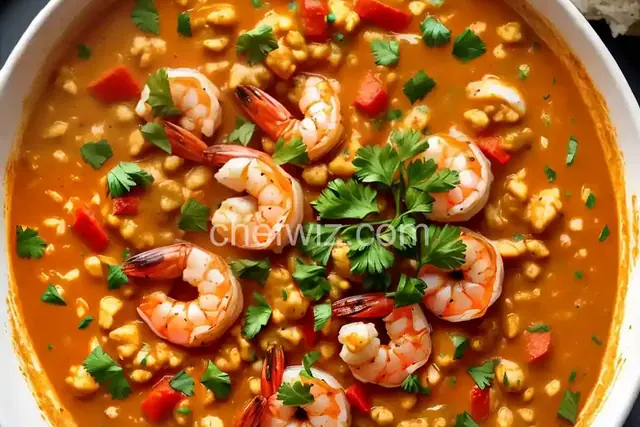
Are you ready to embark on a culinary adventure that will transport your taste buds to the vibrant streets of New Orleans? Look no further than shrimp étouffée, a beloved Cajun dish that combines succulent shrimp with a rich and flavorful sauce. In this article, we'll explore the origins of this mouthwatering dish, delve into its preparation, and uncover tips for creating the perfect shrimp étouffée.
Before we dive into the recipe, let's take a moment to appreciate the rich history behind shrimp étouffée. This traditional Cajun dish is believed to have originated in the bayous of Louisiana, where French and Spanish influences melded together to create a unique culinary heritage. The word "étouffée" itself means "smothered" in French, referring to the method of cooking the shrimp in a thick and flavorful sauce.
Now that we understand the essence of shrimp étouffée, let's explore the art of preparing this delectable dish. The key to a successful shrimp étouffée lies in the balance of flavors and the freshness of the ingredients. Start by sautéing aromatic vegetables such as onions, bell peppers, and celery in a generous amount of butter. This holy trinity forms the base of the sauce, infusing it with a depth of flavor.
To elevate the taste of your shrimp étouffée, it's essential to incorporate the bold and vibrant flavors of Cajun seasoning. This blend of spices, including paprika, garlic powder, cayenne pepper, and thyme, adds a fiery kick to the dish. Adjust the amount of Cajun seasoning according to your preference for spiciness, allowing the flavors to meld together as the sauce simmers.
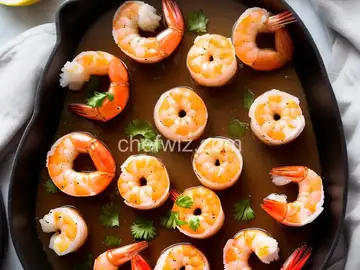
Of course, no shrimp étouffée would be complete without the star ingredient itself – the succulent shrimp. Opt for fresh, plump shrimp to ensure the best taste and texture. As the shrimp cooks in the simmering sauce, it absorbs the flavors of the seasonings, becoming tender and flavorful. The result is a harmonious marriage of spices and seafood that will tantalize your taste buds.
Creating a delicious shrimp étouffée requires attention to detail and a few insider tips. Here are some recommendations to ensure your dish turns out perfectly:
For optimal heat distribution and flavor development, cook your shrimp étouffée in a cast iron skillet. The skillet retains heat well and imparts a distinctive flavor to the dish, enhancing its authenticity.
Allow the sauce to simmer and thicken to the desired consistency. This will ensure that the flavors intensify and the sauce clings to the shrimp, creating a luscious and satisfying dish.
Traditionally, shrimp étouffée is served over a bed of fluffy white rice. The rice acts as a neutral base that complements the rich flavors of the dish, creating a well-rounded and satisfying meal.
Shrimp étouffée is a culinary masterpiece that combines the bold flavors of Cajun cuisine with the delicate sweetness of shrimp. By following the steps outlined in this article and incorporating the recommended tips, you'll be well on your way to creating a memorable dining experience that will transport you to the heart of Louisiana.
A1: While fresh shrimp is recommended for the best taste and texture, you can use frozen shrimp if fresh is not available. Just make sure to thaw them properly before cooking.
A2: Yes, shrimp étouffée can be made ahead of time and reheated when ready to serve. In fact, the flavors often deepen and intensify after sitting for a day or two.
A3: Absolutely! Shrimp étouffée can be adapted to your taste preferences. Feel free to substitute the shrimp with crawfish, crab, or even a combination of seafood for a delightful twist.
A4: The level of spiciness in shrimp étouffée can be adjusted to suit your palate. If you prefer a milder flavor, simply reduce the amount of Cajun seasoning or omit the cayenne pepper.
A5: Absolutely! While the holy trinity forms the classic base for shrimp étouffée, you can experiment with additional vegetables like okra, tomatoes, or even mushrooms to add your own personal touch.
A6: Certainly! You can replace the shrimp with tofu, seitan, or a medley of vegetables to create a delicious vegetarian étouffée that still captures the essence of this beloved Cajun dish.
A7: Yes, shrimp étouffée can be frozen for up to three months. To ensure the best quality, store it in an airtight container and thaw it in the refrigerator before reheating.
A8: While traditional shrimp étouffée does not call for cream, you can certainly add a splash of heavy cream or a dollop of sour cream to create a creamy and indulgent variation of this beloved dish.
AprilCook, recipe developer and the heart of Chefwiz. More about April