Shrimp Cheung Fun (Rice Rolls)
Rate this recipeBe the first to rate
 By AprilPublished
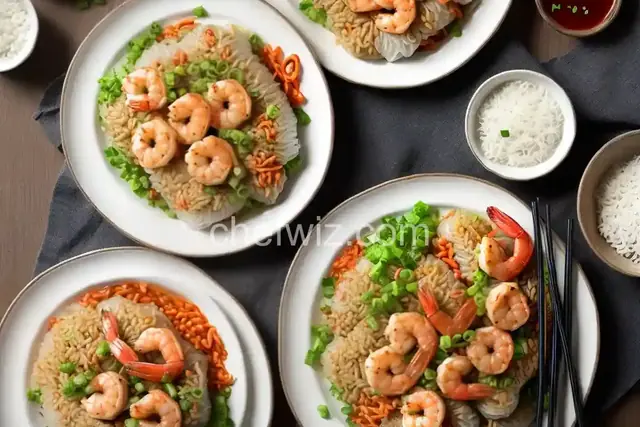
 Have you ever tried Shrimp Cheung Fun? If not, you're in for a treat!
 By AprilPublished
 Have you ever tried Shrimp Cheung Fun? If not, you're in for a treat!
In a large bowl, sift together the rice flour, tapioca starch, wheat starch, potato starch, and salt.
Add lukewarm water to the bowl and mix until the consistency resembles thin glue.
Mix the batter again to ensure there are no clumps.
Generously oil a rimmed eighth sheet pan using a brush.
Pour just enough batter into the pan to form a thin, even layer.
Place 3 medium to large or 6 small shrimp onto each roll, about 1 inch from one narrow edge.
Set up a 12-inch steamer by filling a wok with enough water to reach the lower rim of the steamer.
Bring the water to a boil.
Place the sheet pan in the steamer, cover, and steam for 6 minutes or until bubbles appear on top of the mixture.
If the water level in the steamer decreases, add boiling water to maintain the steam.
Carefully remove the sheet pan from the steamer and let it cool for a minute on a work surface.
Using a bench scraper, roll the rice roll from the top of the pan away from you to create a loose roll.
Cut the roll in half widthwise.
Brush the pan with oil again and repeat the process until all the batter is used.
When ready to serve, briefly re-steam the rolls for 1 to
Have you ever tried Shrimp Cheung Fun? If not, you're in for a treat! These delicate rice rolls are a classic Cantonese dish that will take your taste buds on a delightful journey. Picture soft and silky rice noodle sheets, wrapped around succulent shrimp, and served with a savory soy sauce. It's like a little package of heaven in every bite!
Preparing Shrimp Cheung Fun is an art form in itself. The key lies in creating the perfect rice noodle sheets. It requires a delicate touch and precision to achieve that smooth and velvety texture. The rice flour batter is spread thinly on a steamer tray and cooked over high heat. As the steam rises, the batter transforms into thin sheets that are then carefully rolled with a generous amount of shrimp filling.
Now, let's talk about the star of the show - the shrimp filling. Fresh and plump shrimp are marinated in a fragrant mixture of soy sauce, sesame oil, ginger, and garlic. When steamed inside the rice noodle sheets, the shrimp release their natural sweetness, infusing the dish with a burst of flavor. It's a mouthwatering combination that will leave you craving for more.
No Shrimp Cheung Fun is complete without the perfect sauce. A simple yet flavorful blend of soy sauce, oyster sauce, sesame oil, and a touch of sweetness from sugar or hoisin sauce. This dipping sauce adds an extra layer of richness and umami, enhancing the overall taste of the dish. It's the finishing touch that will elevate your dining experience to new heights.
Now that you're ready to embark on your Shrimp Cheung Fun adventure, here are a few tips and tricks to ensure success:
Shrimp Cheung Fun is a dish that combines simplicity and elegance. The delicate rice noodle sheets, the succulent shrimp filling, and the flavorful dipping sauce - it all comes together to create a culinary masterpiece. So, why not take a leap and savor this delightful Cantonese treasure? Your taste buds will thank you!
Of course! Shrimp is just one of the many filling options for Cheung Fun. You can also try fillings like char siu (barbecue pork), beef, or vegetables.
Yes, you can make the rice noodle sheets in advance and store them in the refrigerator. Just make sure to steam them again before serving to regain their softness.
Yes, rice noodle sheets are typically gluten-free as they are made from rice flour. However, it's always good to check the packaging or make them from scratch to ensure there are no added ingredients that contain gluten.
It's not recommended to freeze Shrimp Cheung Fun as the texture of the rice noodle sheets may become compromised. It's best enjoyed fresh.
If you don't have a steamer, you can use a large pot with a steaming rack or a makeshift steamer using a heatproof plate and a pot with a lid. Just make sure to create enough steam to cook the rice noodle sheets properly.
While it's possible to reheat leftover Shrimp Cheung Fun, it's best to consume it fresh for the optimal texture and taste. Reheating may cause the rice noodle sheets to become rubbery.
Absolutely! You can substitute the shrimp filling with vegetables like mushrooms, carrots, or tofu to create a vegetarian version of Cheung Fun.
Yes, you can get creative with toppings! Some popular choices include green onions, cilantro, sesame seeds, or even a drizzle of chili oil for an extra kick.
AprilCook, recipe developer and the heart of Chefwiz. More about April