Shrimp and Pork Dumplings, Steamed or Pan-Fried
Rate this recipeBe the first to rate
 By AprilPublished
 Have you ever craved a delicious dumpling that's bursting with flavor and perfectly cooked?
 By AprilPublished
 Have you ever craved a delicious dumpling that's bursting with flavor and perfectly cooked?
Prepare the filling by combining the shrimp, ground pork, sesame oil, soy sauce, cornstarch, ginger, garlic, green onions, egg whites, lemon juice, salt, and pepper in a food processor. Pulse the ingredients until they are smooth but still slightly chunky. Transfer the filling to a bowl and fold in the water chestnuts.
To check if the filling is seasoned well, make a small patty and cook it in a saute pan with canola oil until browned on both sides. Taste the patty and adjust the seasoning of the remaining filling if necessary.
Line each tray of a bamboo steamer with cabbage leaves and cover it with the lid. Bring 1 to 2 inches of water to a boil in a large pan. Place the bamboo steamer over the pot and continue to add water as needed.
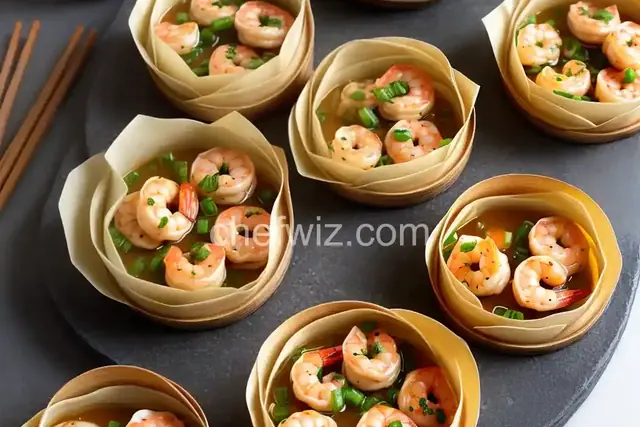
Take a wonton wrapper and place about 2 teaspoons of the filling in the center. Brush the edges of the wrapper with water. Fold and pleat the wrapper around the filling, leaving the top uncovered. Tap the shu mai on a work surface to flatten the bottom and create a basket shape.
Put the shu mai in the cabbage-lined steamers and cover with the lid. Steam the dumplings for 5 to 10 minutes, or until cooked through.
Take another wonton wrapper and place about 2 teaspoons of the filling in the center. Brush the edges of the wrapper
Have you ever craved a delicious dumpling that's bursting with flavor and perfectly cooked? Look no further than shrimp and pork dumplings. These little pockets of goodness are a staple in Asian cuisine and are loved by people all over the world. But the question remains: should you steam them or pan-fry them? Let's dive into the world of dumplings and explore the different cooking methods to find out which one reigns supreme.
Steamed dumplings are a classic choice for dumpling enthusiasts. The gentle steam bath that these dumplings receive during cooking ensures that they come out tender and moist. The delicate flavors of the filling, whether it's a combination of shrimp and pork or any other variation, are preserved beautifully. The texture of the wrapper is also softer, making it easier to bite into.
Picture this: you take a bite into a steamed dumpling, and the flavors of the juicy shrimp and savory pork explode in your mouth. The wrapper, perfectly cooked and slightly translucent, holds everything together like a little gift waiting to be unwrapped. It's a delightful experience that keeps you coming back for more.
If you're looking for a dumpling with a bit more texture and a touch of crispiness, pan-frying is the way to go. When you pan-fry dumplings, you get that golden-brown crust on the bottom, known as the "potsticker effect." This adds a delightful crunch that contrasts with the soft filling inside.
Imagine biting into a pan-fried dumpling and feeling the satisfying crunch as you break through the crispy bottom. The filling, still tender and flavorful, is complemented by the additional texture. It's like experiencing a perfect balance between soft and crispy in every bite.
Now that we've explored both cooking methods, you might be wondering which one is the winner. Well, it all comes down to personal preference. Are you in the mood for a dumpling that's soft and tender? Then go for the steamed option. Do you crave a dumpling with a bit more texture and a satisfying crunch? Then pan-frying is the way to go.
Ultimately, both steamed and pan-fried dumplings have their unique appeal. It's like choosing between a gentle rain shower or a sunny day at the beach—they both offer different experiences, but they're equally enjoyable.
Whether you prefer the tender and moist experience of steamed dumplings or the crispy and textured adventure of pan-fried dumplings, shrimp and pork dumplings are a culinary delight. The choice between steaming and pan-frying ultimately depends on your personal preference and the experience you're seeking. So gather your ingredients, roll up your sleeves, and embark on a dumpling-making journey that will leave your taste buds satisfied and your culinary skills elevated.
Yes, you can experiment with different fillings to suit your taste. Some popular variations include chicken and cabbage, tofu and vegetable, or even a vegetarian option with mushrooms and carrots.
Absolutely! Dumplings freeze well and can be stored for future enjoyment. Just make sure to freeze them individually first before transferring them to a freezer bag or container.
When pan-frying dumplings, make sure to use a non-stick pan or a well-seasoned cast-iron skillet. Additionally, adding a thin layer of oil to the pan before placing the dumplings can help prevent sticking.
Yes, you can! This technique, known as "steam-frying," combines both cooking methods. Start by steaming the dumplings until cooked through, then transfer them to a hot pan with a bit of oil to crisp up the bottoms.
Absolutely! Making dumpling wrappers from scratch can be a fun and rewarding experience. All you need is flour, water, and a bit of patience. There are numerous recipes and tutorials available online to guide you through the process.
Unfortunately, most dumpling wrappers contain wheat flour and are not gluten-free. However, you can find gluten-free dumpling wrappers or make your own using alternative flours such as rice flour or tapioca starch.
Absolutely! Dumplings are often served with a variety of dipping sauces, such as soy sauce, black vinegar, or a combination of soy sauce, sesame oil, and chili oil. Experiment with different flavors to find your favorite combination.
Freshly cooked dumplings can be enjoyed immediately and are best consumed within a day or two. If you have leftovers, store them in an airtight container in the refrigerator and consume them within three to four days.
AprilCook, recipe developer and the heart of Chefwiz. More about April