Shrimp and No-Stir Grits
Rate this recipeBe the first to rate
 By AprilPublished
 Are you in the mood for a delicious and comforting meal that requires minimal effort?
 By AprilPublished
 Are you in the mood for a delicious and comforting meal that requires minimal effort?
Preheat the oven to 325°.
In a large saucepan, bring 4½ cups of water to a simmer over medium-high heat.
Add 3 tablespoons of butter and 1 teaspoon of salt to the saucepan, and whisk until the butter is melted.
Slowly sprinkle 1 cup of grits into the saucepan, whisking constantly.
Once the water comes back to a boil, cover the pot and transfer it to the oven. Set a timer for 20 minutes.
While the grits are cooking, prepare the shrimp. Use clean scissors to snip along the backside of each shrimp from the head-end to the tail, exposing and removing the vein. Peel the shrimp and set aside the shells for making stock.
Grate 6 ounces of cheese using the large holes of a box grater.
Trim both ends of 6 scallions and cut them crosswise into 1-inch pieces.
Smash 2 garlic cloves, peel them, and finely chop.
Remove the grits from the oven (be careful, the handle will be hot!) and heat them on the stove over low heat. Uncover and whisk vigorously, scraping the bottom, until the mixture is smooth.
Gradually add the grated cheese to the grits, whisking constantly, until the grits are smooth and creamy. Taste and season with more salt, then cover and keep
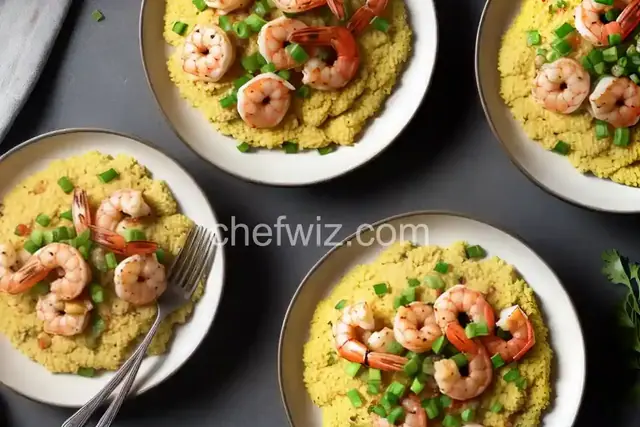
Are you in the mood for a delicious and comforting meal that requires minimal effort? Look no further than shrimp and no-stir grits! This classic Southern dish is sure to satisfy your taste buds and leave you feeling warm and satisfied. In this article, we will explore the rich history of this dish, provide tips for making the perfect shrimp and grits, and answer some common questions about this beloved recipe.
Shrimp and grits originated in the Southern United States, specifically in the coastal regions of South Carolina and Georgia. It was traditionally considered a breakfast dish, but over time, it has become a popular meal for any time of day. The combination of creamy grits and succulent shrimp creates a delightful balance of flavors and textures.
When it comes to shrimp and grits, the star of the show is undoubtedly the shrimp. It's crucial to choose fresh, high-quality shrimp to ensure the best taste. Look for shrimp that are firm, translucent, and have a slightly sweet aroma. Avoid shrimp that have a fishy smell or feel slimy to the touch. You can opt for either fresh or frozen shrimp, just make sure to thaw frozen shrimp properly before cooking.
Grits are a staple in Southern cuisine and are made from ground corn kernels. Traditionally, grits required constant stirring to prevent them from clumping or sticking to the bottom of the pot. However, with modern techniques, you can achieve creamy and delicious grits without the constant stirring. The secret lies in using the right ratio of liquid to grits and cooking them over low heat. The result is a velvety-smooth texture that pairs perfectly with the shrimp.
Now that you know the basics, let's dive into some tips to help you create the best shrimp and grits you've ever had:
Before cooking the shrimp, make sure to season them generously with salt, pepper, and any other desired spices. This will enhance the flavor and give your dish an extra kick.
Instead of using plain water to cook your grits, try using chicken or vegetable broth. This adds extra depth of flavor and makes the grits even more delicious.
While shrimp and grits are delicious on their own, don't be afraid to experiment with different toppings. Some popular options include crispy bacon, sautéed mushrooms, or a sprinkle of freshly grated cheese.
Shrimp and no-stir grits are a timeless and comforting dish that brings together the flavors of the South. With a few simple tips and tricks, you can create a restaurant-quality meal in the comfort of your own home. So why not give it a try? Gather your ingredients, don your apron, and get ready to savor every delicious bite of this Southern classic.
Yes, you can use instant grits if you're short on time. However, keep in mind that instant grits tend to have a smoother texture and may lack the same depth of flavor as regular grits.
Absolutely! While shrimp is the traditional choice, you can easily substitute it with other types of seafood like scallops, crab, or even lobster for a luxurious twist.
Yes, you can make the grits in advance and reheat them when ready to serve. Just make sure to add a splash of liquid (water or broth) while reheating to maintain their creamy consistency.
Yes, grits are naturally gluten-free as they are made from corn. However, if you have a severe gluten intolerance or allergy, make sure to check the packaging for any cross-contamination warnings.
Yes, you can use pre-cooked shrimp if you're short on time. Just add them to the dish towards the end of the cooking process to warm them through without overcooking.
Shrimp and grits are versatile and can be enjoyed on their own or paired with various sides. Some popular accompaniments include sautéed greens, garlic bread, or a fresh salad.
Absolutely! You can omit the shrimp and instead use sautéed vegetables like bell peppers, onions, and mushrooms as the star of the dish. The creamy grits will still provide a satisfying base.
While it's best to enjoy shrimp and grits fresh, you can freeze any leftovers for future meals. Just make sure to store them in an airtight container and thaw them thoroughly before reheating.
AprilCook, recipe developer and the heart of Chefwiz. More about April