Shrimp & Sausage Gumbo
Rate this recipeBe the first to rate
 By AprilPublished
 Are you a fan of hearty and flavorful dishes? Look no further than shrimp and sausage gumbo!
 By AprilPublished
 Are you a fan of hearty and flavorful dishes? Look no further than shrimp and sausage gumbo!
Begin by melting butter in a large skillet over medium-low heat.
Add flour to the melted butter and continuously stir until the mixture turns into a dark caramel color. This should take approximately 10 minutes.
Incorporate onions, peppers, and celery into the skillet and continue stirring until they become softened. This usually takes about 5 minutes.
Stir in garlic and sausage, then season the mixture with Cajun seasoning, salt, and pepper.
Introduce bay leaf, diced tomatoes, and chicken broth to the skillet, and bring the mixture to a boil.
Reduce the heat to low and allow it to simmer until it thickens. Stir occasionally during this process, which should take around 1 hour.
In the last 10 minutes of cooking, add shrimp to the skillet.
Once the shrimp turns pink and is fully cooked, taste the dish and adjust the seasonings if necessary.
Stir in green onions, but remember to reserve some for garnishing.
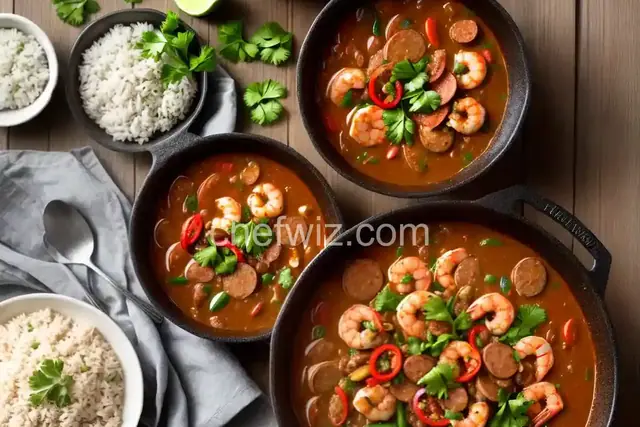
Serve the dish by spooning it on top of white rice.
Are you a fan of hearty and flavorful dishes? Look no further than shrimp and sausage gumbo! This traditional Louisiana dish is bursting with bold flavors and a perfect combination of textures. In this article, we will dive into the world of gumbo, exploring its origins, ingredients, and the process of creating this delicious dish. So grab your apron and let's get cooking!
Gumbo is a culinary masterpiece that originated in Louisiana, particularly among the Creole and Cajun communities. Its roots can be traced back to West Africa, France, and Spain, with each culture contributing to the unique blend of flavors found in gumbo. Over the years, gumbo has become a symbol of Louisiana cuisine, representing the rich cultural heritage of the region.
At the heart of every gumbo recipe are the Holy Trinity of Louisiana cooking: onions, bell peppers, and celery. These aromatic vegetables provide the base flavor and depth to the dish. To add a meaty and smoky element, sausage is a must. And of course, no gumbo is complete without the star ingredient - succulent shrimp! The combination of these ingredients creates a harmonious medley of flavors that will leave your taste buds dancing.
When it comes to selecting the perfect sausage for your gumbo, there are a few options to consider. Andouille sausage is a popular choice, known for its smoky and spicy flavor. If you prefer a milder taste, smoked sausage or kielbasa can also work well. The key is to choose a sausage that complements the other ingredients without overpowering them.
Making gumbo is a labor of love that requires patience and attention to detail. The process begins with creating a roux, a mixture of flour and fat, which serves as the thickening agent for the gumbo. This step is crucial as it adds depth of flavor and richness to the dish. Once the roux reaches a deep, caramel color, the Holy Trinity of vegetables is added, followed by the sausage and seasonings.
After allowing the flavors to meld together, it's time to add the star of the show - the shrimp! Shrimp cook quickly, so it's important not to overcook them. Once they turn pink and opaque, your gumbo is ready to be served. The final touch is a sprinkle of fresh parsley and a side of steamed rice to soak up all the delicious flavors.
Absolutely! Gumbo is a versatile dish, and you can customize it to suit your preferences. Chicken or even a combination of different meats can be used as substitutes for shrimp.
The longer gumbo simmers, the more the flavors develop. It is recommended to let it simmer for at least an hour, but some gumbo enthusiasts prefer simmering it for several hours to achieve maximum flavor.
Yes, gumbo actually tastes even better the next day as the flavors have had time to meld together. Simply store it in an airtight container in the refrigerator and reheat when ready to serve.
Gumbo can have varying levels of spiciness depending on the seasonings and type of sausage used. If you prefer a milder version, you can adjust the amount of spice to suit your taste.
Yes, gumbo can be frozen for later enjoyment. It's best to freeze it in individual portions for easier thawing and reheating.
Long-grain white rice is the traditional choice to serve alongside gumbo. However, you can also opt for brown rice or even cauliflower rice for a healthier alternative.
Absolutely! Gumbo is a versatile dish, and you can experiment with adding vegetables like okra, tomatoes, or even greens like collard or kale to enhance the flavors and nutritional value.
The roux is an essential component of gumbo as it provides the thickening agent and adds depth of flavor. While it is possible to make gumbo without a roux, it might result in a thinner consistency and less complex taste.
In conclusion, shrimp and sausage gumbo is a delightful dish that brings together the flavors of Louisiana in a single bowl. With its rich history, bold flavors, and customizable nature, gumbo is a true culinary delight. So why not give it a try and embark on a gastronomic journey that will transport your taste buds to the heart of Louisiana?
AprilCook, recipe developer and the heart of Chefwiz. More about April