Shortcrust Pastry
Rate this recipeBe the first to rate
 By AprilPublished
 Have you ever wondered how to achieve that perfect flakiness in your shortcrust pastry?
 By AprilPublished
 Have you ever wondered how to achieve that perfect flakiness in your shortcrust pastry?
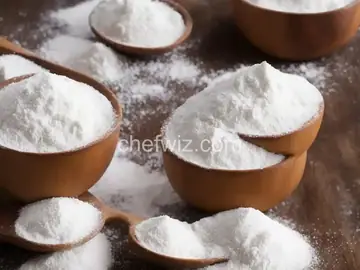
Begin by sifting the flour into a bowl and then rubbing in the butter.
Add the egg yolk and just enough water to make the ingredients stick together.
Press the dough together to form a ball and gently knead it on a floured surface until it becomes smooth.
Wrap the dough in plastic wrap and place it in the refrigerator for 30 minutes to chill.
Once chilled, you can use this pastry for making tarts, pastries, quiches, or any other savory treats you desire.
Have you ever wondered how to achieve that perfect flakiness in your shortcrust pastry? Look no further! In this guide, we will delve into the secrets of creating a mouthwatering shortcrust pastry that will leave your taste buds dancing. So, let's roll up our sleeves and get baking!
Shortcrust pastry is a versatile and delicious pastry that forms the base of countless sweet and savory dishes. Its crumbly texture and buttery flavor make it a favorite among bakers and food lovers alike. But what exactly is shortcrust pastry?
Imagine a tender, buttery blanket that hugs your favorite fillings, creating a harmonious marriage of flavors. That's shortcrust pastry for you! It is made by combining flour, butter, a pinch of salt, and a splash of liquid, such as water or milk. The key lies in the careful incorporation of these ingredients to achieve the perfect balance of flakiness and tenderness.
When it comes to shortcrust pastry, the mixing process plays a crucial role in determining its texture. The goal is to coat the flour particles with fat, creating a barrier that inhibits gluten formation. This results in a tender and crumbly pastry that melts in your mouth.
Imagine mixing flour and butter together. At first, they may seem like strangers, each going their separate ways. But with a little coaxing, they come together, forming a cohesive dough. It's like a dance, where the flour and butter twirl around each other, creating a beautiful symphony of flavors.
Now that the flour and butter have found their rhythm, it's time to introduce the liquid element. This is where the magic happens. The liquid not only brings the dough together but also adds moisture, resulting in a tender and flaky pastry.
Think of the liquid as the conductor of an orchestra. It guides the flour and butter, ensuring they blend harmoniously. Without the conductor, the symphony would be incomplete, lacking the desired texture and taste.
Creating the perfect shortcrust pastry requires a balance of precision and intuition. Here are some tips and tricks to help you achieve pastry perfection:
When working with shortcrust pastry, it's essential to keep everything cool. This helps prevent the butter from melting too quickly, resulting in a greasy and tough texture. So, chill your ingredients, utensils, and even your hands before diving into the dough.
Shortcrust pastry is delicate, much like a fragile piece of artwork. Treat it with care and avoid overmixing or overhandling the dough. This will prevent gluten from developing, ensuring a tender and crumbly texture.
After mixing the dough, give it some time to rest and relax. This allows the gluten strands to relax, resulting in a more tender pastry. Wrap the dough in plastic wrap and refrigerate it for at least 30 minutes before rolling it out.
When rolling out your shortcrust pastry, start from the center and work your way outwards. This ensures an even thickness throughout and prevents uneven baking. Keep a light touch and avoid applying too much pressure, as this can toughen the pastry.
Shortcrust pastry is a delightful creation that elevates any dish to new heights. By understanding the art of mixing, keeping it cool, and handling it with care, you can create a pastry
While butter brings the characteristic flavor and richness to shortcrust pastry, you can substitute margarine if desired. However, keep in mind that the flavor and texture may differ.
The baking time for shortcrust pastry varies depending on the recipe and filling. As a general rule, bake the pastry until it turns golden brown and crisp. Keep an eye on it to avoid over-browning.
Absolutely! Shortcrust pastry freezes well, making it a convenient option for meal prep. Wrap the pastry tightly in plastic wrap or place it in an airtight container before freezing. Thaw it in the refrigerator before using.
To prevent shrinkage, ensure that your pastry is properly chilled before baking. Additionally, avoid stretching the pastry when lining the tart or pie dish. Gently press it into the corners and edges to maintain its shape.
Absolutely! Shortcrust pastry provides a wonderful canvas for experimenting with flavors. You can add various herbs, spices, citrus zest, or even chocolate to infuse your pastry with deliciousness.
Tough and dry shortcrust pastry is often the result of overmixing or overbaking. Remember to handle the dough gently and bake it until golden brown, rather than letting it become dry and brittle.
Absolutely! Whole wheat flour adds a nutty and wholesome flavor to shortcrust pastry. Keep in mind that it may result in a slightly denser texture compared to using all-purpose flour.
Yes, you can! While a food processor makes the process quicker and easier, you can also make shortcrust pastry by hand. Simply rub the butter into the flour using your fingertips until it resembles breadcrumbs, then add the liquid and mix until the dough comes together.
AprilCook, recipe developer and the heart of Chefwiz. More about April