Shellfish Paella (Paella de Mariscos) From 'Spain'
Rate this recipeBe the first to rate
 By AprilPublished
 Are you a fan of Spanish cuisine? If so, then you've probably heard of paella.
 By AprilPublished
 Are you a fan of Spanish cuisine? If so, then you've probably heard of paella.
Start by purging the clams of any sand. Discard any clams with cracked or broken shells.
In a large bowl, fill it with cool water and add 1 teaspoon of salt for every 1 quart/1L water. Dissolve the salt.
Place the clams in the water and let them soak for 30 minutes.
Dump out the water and rinse out the bowl. Soak the clams for another 30 minutes in clean, unsalted water.
Drain the clams and transfer them to a dry bowl. Cover with a damp paper towel and place in the refrigerator for 15 minutes before using.
In a saucepan, add the clams and cover with 1 cup/240ml water. Bring it to a boil.
Cover the pot and cook, shaking it from time to time, until the clams have opened. This should take about 5 minutes.
Transfer the clams to a bowl using a slotted spoon. Filter the liquid and reserve it. Discard any clams that did not open.
Twist off the empty half of each clam and discard.
Steam the mussels by placing them in a saucepan with 1/2 cup/60ml water. Bring it to a boil over high heat.
Lower the heat, cover the pot, and simmer, shaking the pot from time
Are you a fan of Spanish cuisine? If so, then you've probably heard of paella. This iconic dish from Spain is known for its vibrant colors, rich flavors, and mouthwatering aroma. And when it comes to paella, one variation that stands out is the Shellfish Paella or Paella de Mariscos. In this article, we will explore the origins of this delicious dish, its ingredients, and the culinary techniques that make it so special.
Like many traditional dishes, the exact origins of paella are shrouded in mystery. Some say it originated in Valencia, a region on the eastern coast of Spain, while others believe it was created by Moorish rice farmers. Regardless of its origin, paella has become a beloved dish across Spain and around the world.
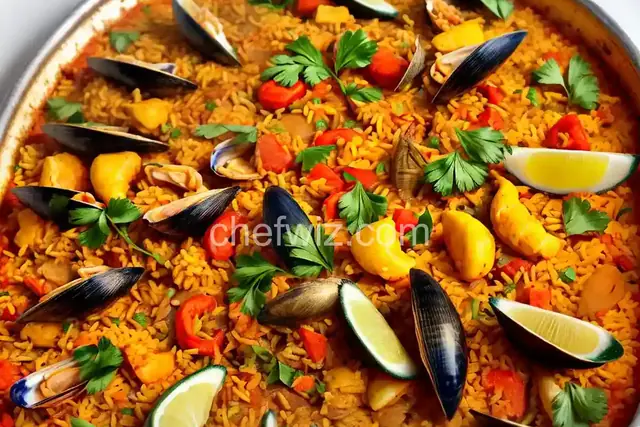
One of the key ingredients in Shellfish Paella is, of course, shellfish. This can include a variety of seafood such as shrimp, clams, mussels, and squid. The shellfish not only adds a unique flavor to the dish but also provides a beautiful visual appeal with their vibrant colors. Other essential ingredients include rice, saffron, garlic, onions, tomatoes, and various spices.
What sets Shellfish Paella apart from other rice dishes is the cooking technique. Traditionally, paella is cooked in a wide, shallow pan called a paellera over an open fire. This allows for even heat distribution and the formation of a crispy layer of rice at the bottom, known as the socarrat. The socarrat adds a delightful textural contrast to the dish and is highly prized by paella enthusiasts.
Another important technique is layering the flavors. The ingredients are added in a specific order, allowing each one to release its flavors gradually. This layering technique ensures that every bite of the paella is packed with a harmonious blend of flavors.
Shellfish Paella is a culinary masterpiece that showcases the flavors of the sea and the expertise of Spanish cuisine. With its vibrant colors, rich flavors, and unique cooking techniques, it's no wonder why this dish has become an international favorite. Whether you're a seafood lover or simply looking to explore new flavors, Shellfish Paella is a must-try dish that will transport you to the sunny shores of Spain.
Yes, saffron is an essential ingredient in paella as it adds a distinct flavor and vibrant yellow color to the dish.
While fresh seafood is preferable, you can use frozen seafood if fresh options are not available. Just make sure to thaw and drain the seafood properly before cooking.
Paella is traditionally made with short-grain rice, which absorbs the flavors of the dish and develops a creamy texture. While you can experiment with other grains, the result may not be the same as authentic paella.
Absolutely! You can substitute the shellfish with vegetables like artichokes, bell peppers, and peas to create a delicious vegetarian version of paella.
The key to achieving the perfect socarrat is to cook the paella over medium heat and resist the temptation to stir. Allow the rice to cook undisturbed until a crispy layer forms at the bottom.
While a paellera is ideal for cooking paella, you can use a wide, shallow frying pan as a substitute. Just make sure it has a thick bottom to distribute the heat evenly.
Paella is best enjoyed immediately after cooking. However, you can prepare some of the ingredients in advance to save time, such as chopping the vegetables or cleaning the shellfish.
Yes, you can freeze leftover paella. Just make sure to store it in an airtight container and thaw it thoroughly before reheating.
AprilCook, recipe developer and the heart of Chefwiz. More about April