Sheet Pan Jelly Roll
Rate this recipeBe the first to rate
 By AprilPublished
 Have you ever craved a delicious dessert that is both easy to make and visually stunning?
 By AprilPublished
 Have you ever craved a delicious dessert that is both easy to make and visually stunning?
Preheat the oven to 375 degrees F and position the oven rack in the center of the oven.
Lightly coat an 18-by-13-inch sheet pan with nonstick baking spray and line the bottom with parchment paper. Set aside.
In a stand mixer fitted with a whisk attachment, beat the eggs, granulated sugar, baking powder, and salt on high speed until the mixture becomes pale and very thick (enough to hold a pattern in the wake of the whisk), which should take about 10 minutes.
Reduce the speed to medium-high and slowly drizzle in the butter and vanilla until just combined, approximately 10 seconds.
Reduce the speed to low and add the sifted flour all at once. Beat until just combined, around 5 seconds.
Gently fold the batter once or twice using a rubber spatula, then scrape it into the prepared sheet pan.
Using the spatula, spread the batter evenly on the pan, using broad and gentle strokes to keep the batter airy.
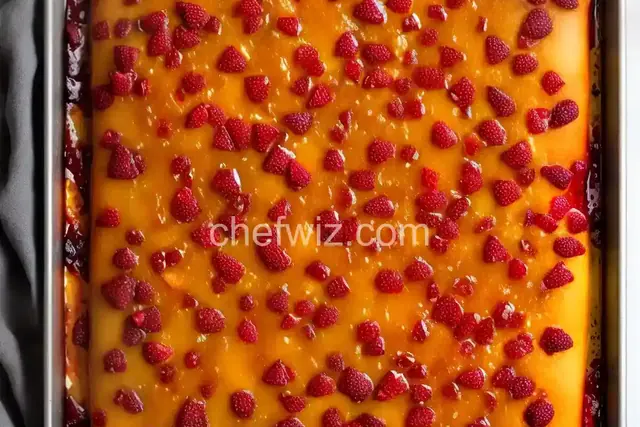
Bake the cake for approximately 15 minutes, rotating the pan halfway through. The top should be set but still pale. Avoid overcooking the cake as it may crack when rolled.
While the cake is still hot, sift a thin layer of confectioner's sugar over the top.
Run a sharp paring knife around the edges of the cake
Have you ever craved a delicious dessert that is both easy to make and visually stunning? Look no further than the sheet pan jelly roll! This delectable treat is perfect for any occasion, whether it's a birthday party, a family gathering, or just a sweet ending to a hectic day. In this article, we will explore the art of creating a sheet pan jelly roll and discover how to make it in a way that will have your taste buds dancing with joy.
Before we dive into the details of making a sheet pan jelly roll, let's first understand what it is. A jelly roll is a type of sponge cake that is rolled up with a delicious filling, such as jam, cream, or fruit. The sheet pan jelly roll takes this concept to the next level by baking the cake batter in a sheet pan, which results in a thin and flexible cake that is perfect for rolling.
Making a sheet pan jelly roll may seem daunting, but it's actually quite simple. First, you'll need to gather your ingredients, including flour, sugar, eggs, and any additional flavorings you desire. Then, you'll mix the ingredients together to create a smooth batter. Once the batter is ready, you'll spread it onto a sheet pan lined with parchment paper and bake it in the oven until it's golden brown and springy to the touch.
The filling is what brings a sheet pan jelly roll to life. You can choose from a variety of options, such as classic strawberry jam, rich chocolate ganache, or a refreshing lemon curd. The key is to select a filling that complements the flavors of the cake and adds an extra layer of deliciousness. Once the cake is baked and cooled, you'll spread the filling onto the surface and carefully roll it up, creating a beautiful spiral of sweetness.
To make your sheet pan jelly roll even more visually appealing, consider adding a decorative touch. You can dust the top with powdered sugar, drizzle a glaze over it, or even garnish it with fresh fruit. Not only will this enhance the presentation, but it will also add an extra burst of flavor and texture to each bite. Get creative and let your imagination run wild!
In conclusion, the sheet pan jelly roll is a delightful dessert that is both easy to make and visually stunning. With a thin and flexible cake base, a delicious filling, and a decorative touch, this dessert is sure to impress. So why not give it a try? Gather your ingredients, roll up your sleeves, and embark on a sweet culinary adventure. Your taste buds will thank you!
Yes, absolutely! Feel free to experiment with different fillings to suit your taste preferences. Whether it's a creamy custard, a tangy fruit compote, or a nutty spread, the choice is yours!
Yes, you can prepare a sheet pan jelly roll in advance. Simply wrap it tightly in plastic wrap or store it in an airtight container and refrigerate it until ready to serve.
Yes, you can freeze a sheet pan jelly roll. Make sure to wrap it tightly in plastic wrap and place it in a freezer-safe bag or container. Thaw it in the refrigerator before serving.
A sheet pan jelly roll can stay fresh for up to 3-4 days when stored properly in the refrigerator. Make sure to wrap it tightly to prevent it from drying out.
Yes, you can make a gluten-free version of a sheet pan jelly roll by using gluten-free flour or a combination of alternative flours. Just make sure to follow a trusted recipe for the best results.
Yes, you can certainly add nuts or chocolate chips to your sheet pan jelly roll. Simply sprinkle them over the batter before baking, and you'll have an extra crunch or burst of chocolate in every bite!
Yes, you can make a vegan sheet pan jelly roll by using plant-based substitutes for eggs and dairy. There are many vegan-friendly recipes available online that can guide you through the process.
While the traditional sheet pan jelly roll uses a sponge cake batter, you can experiment with different types of cake batters, such as chocolate or carrot cake. Just keep in mind that different batters may affect the rolling and texture of the final product.
AprilCook, recipe developer and the heart of Chefwiz. More about April