Sheet Pan Bibimbap
Rate this recipeBe the first to rate
 By AprilPublished
 Have you ever wished you could enjoy a delicious and flavorful Korean dish without all the fuss?
 By AprilPublished
 Have you ever wished you could enjoy a delicious and flavorful Korean dish without all the fuss?
In a large pot, bring 6 cups of water with salt to a boil.
Prepare an ice bath in a large bowl.
Add bean sprouts to the boiling water and blanch for 1 to 2 minutes until cooked.
Use a spider or tongs to remove bean sprouts from the pot and place them in the ice bath.
Drain the bean sprouts and set them aside.
Repeat the blanching process with the spinach and chop it roughly once cooled.
In a small bowl, mix together sesame oil, garlic, sesame seeds, and salt.
Place the bean sprouts and spinach in separate bowls and pour half of the sauce over each bowl. Toss to coat.
In another small bowl, whisk together gochujang, vinegar, sesame oil, soy sauce, garlic, sesame seeds, and brown sugar. Set it aside.
Preheat the oven to 400°F.
In a medium bowl, individually toss carrots, zucchini, and shiitake mushrooms with enough oil to coat, and season with salt and pepper.
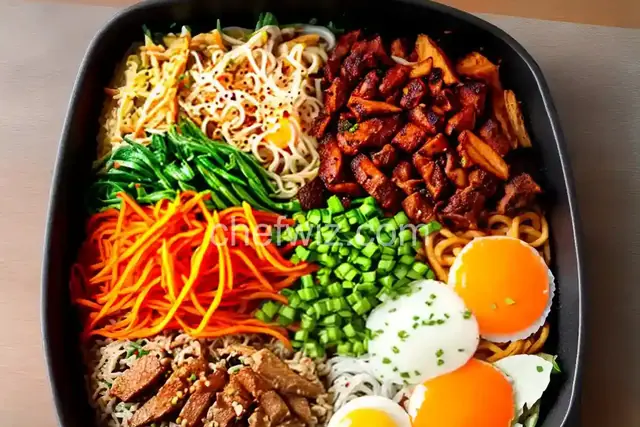
Arrange each vegetable in their own quadrant on a sheet pan, ensuring they make direct contact with the pan.
Clean the medium bowl and then whisk together soy sauce, sesame oil, garlic, ginger, brown sugar, kosher salt, and black pepper.
Add the sliced beef to the bowl and toss to fully coat
Have you ever wished you could enjoy a delicious and flavorful Korean dish without all the fuss? Look no further than sheet pan bibimbap! This easy-to-make meal combines the traditional flavors of bibimbap with the convenience of a sheet pan dinner. In this article, we'll explore the ins and outs of sheet pan bibimbap, including what it is, how to make it, and why it's a great option for busy individuals or families.
Sheet pan bibimbap is a simplified version of the classic Korean dish, bibimbap. Traditionally, bibimbap is made by combining rice, sautéed vegetables, meat, and a fried egg, all served in a hot stone bowl. However, sheet pan bibimbap takes a different approach by cooking all the ingredients on a single sheet pan in the oven.
By using a sheet pan, you can easily roast the vegetables and cook the meat all at once, saving time and effort. The result is a delicious and colorful meal that still captures the essence of traditional bibimbap.
Creating sheet pan bibimbap is a breeze. Start by preheating your oven and preparing your ingredients. You'll want to chop up a variety of colorful vegetables, such as carrots, zucchini, and bell peppers. Toss the vegetables in a flavorful sauce, like a mixture of soy sauce, sesame oil, and garlic.
Spread the vegetables out on a sheet pan, making sure to leave space for the meat. For the meat, you can use thinly sliced beef, chicken, or even tofu for a vegetarian option. Season the meat with a marinade of your choice, then place it on the sheet pan alongside the vegetables.
Pop the sheet pan into the oven and let everything cook until the vegetables are tender and the meat is cooked through. While the sheet pan is in the oven, prepare your rice according to the package instructions. Once everything is ready, assemble your sheet pan bibimbap by placing a scoop of rice on a plate and topping it with the roasted vegetables and meat.
Don't forget the final touch - a fried egg! Cook an egg sunny-side up and place it on top of your bibimbap. The runny yolk adds a creamy richness to the dish and complements the other flavors perfectly.
Sheet pan bibimbap is a fantastic option for busy individuals or families who want to enjoy the flavors of bibimbap without spending hours in the kitchen. With this one-pan meal, you can have a delicious and balanced dinner on the table in no time.
Not only is sheet pan bibimbap convenient, but it's also a versatile dish. You can customize it to your liking by using your favorite vegetables and protein. Whether you prefer beef, chicken, or tofu, sheet pan bibimbap can accommodate your dietary preferences.
Additionally, sheet pan bibimbap is a great way to incorporate more vegetables into your diet. The variety of colorful veggies not only adds visual appeal but also provides a range of nutrients and flavors.
Yes! Feel free to substitute the rice with other grains like quinoa or cauliflower rice for a healthier twist.
While it's best to enjoy sheet pan bibimbap fresh out of the oven, you can definitely prepare the ingredients in advance and assemble them when you're ready to eat.
Absolutely! Simply omit the meat and use tofu or tempeh as a protein alternative.
Of course! Feel free to drizzle your favorite sauces, such as gochujang or sriracha, over your sheet pan bibimbap for an extra kick of flavor.
Definitely! Customize your sheet pan bibimbap by adding your favorite vegetables, such as mushrooms, spinach, or bean sprouts.
Absolutely! Feel free to experiment with different meats like pork, shrimp, or even fish.
Yes! Simply substitute the soy sauce with a gluten-free alternative, such as tamari or coconut aminos.
While it's best to enjoy sheet pan bibimbap fresh, you can reheat it in the oven at a low temperature until warmed through.
In conclusion, sheet pan bibimbap is a delicious and convenient twist on the traditional Korean dish. With its simplicity and versatility, it's a great option for those who want a flavorful meal without the hassle. So why not give sheet pan bibimbap a try? Your taste buds will thank you!
AprilCook, recipe developer and the heart of Chefwiz. More about April