Shatta (Middle Eastern Hot Sauce)
Rate this recipeBe the first to rate
 By AprilPublished
 Are you a spice lover? Do you crave that fiery kick in your meals that leaves your taste buds dancing?
 By AprilPublished
 Are you a spice lover? Do you crave that fiery kick in your meals that leaves your taste buds dancing?
Place all ingredients, except for jalapeños and olive oil, into a food processor.
Blend the ingredients until they are finely chopped, pausing to scrape down the sides of the processor as needed.
Add the jalapeños to the mixture and pulse until the peppers are finely chopped, but not completely pureed.
Transfer the sauce to a bowl for serving.
Stir in the olive oil by hand until well combined.
If the sauce is initially too spicy, let it rest for at least 30 minutes or longer as it tends to mellow out over time.
Store the sauce covered in the refrigerator for 1 to 2 weeks.
Are you a spice lover? Do you crave that fiery kick in your meals that leaves your taste buds dancing? If so, then you're in for a treat. We're about to embark on a flavorful journey through the world of Middle Eastern hot sauce, commonly known as Shatta. Get ready to tantalize your senses with the perfect blend of heat, tang, and aromatic spices.
Imagine a condiment that adds a burst of flavor to any dish, whether it's a savory kebab, a creamy hummus, or a simple plate of falafel. Shatta is just that - a versatile hot sauce that brings a unique Middle Eastern twist to your meals. It's made from a combination of fiery chili peppers, garlic, cilantro, and various other spices, creating a harmonious balance of heat and freshness.
Shatta has its roots in the Middle East, particularly in countries like Egypt, Lebanon, and Syria. It's a staple in the region, where it's used as a condiment, a dip, and even a marinade. The history of Shatta goes back centuries, as locals have been perfecting the art of making this hot sauce for generations. Each country has its own unique twist on the recipe, resulting in a wide variety of flavors and heat levels.
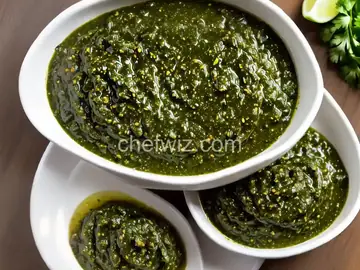
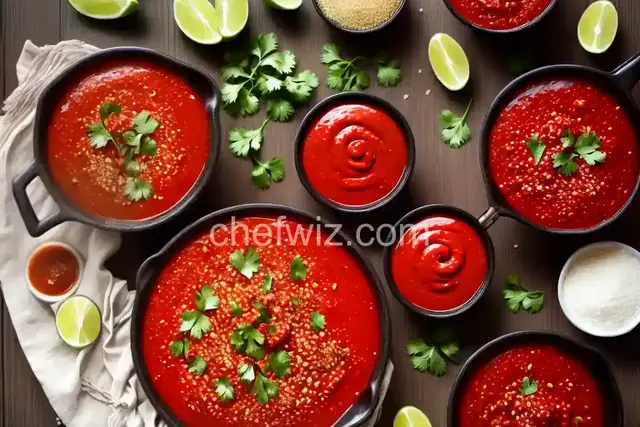
Just like the diverse cultures of the Middle East, Shatta comes in many different forms. Some versions are vibrant green, thanks to the generous use of fresh herbs like cilantro and parsley. Others have a deep red hue, owing to the fiery red chili peppers that give it its heat. Some variations even include ingredients like tomatoes, pomegranate molasses, or lemon juice, adding an extra layer of complexity to the sauce.
What sets Shatta apart from other hot sauces is its ability to strike the perfect balance between heat and flavor. It's not just about making your taste buds tingle; it's about enhancing the overall dining experience. The chili peppers provide the heat, while the garlic and spices add depth and complexity. The fresh herbs bring a refreshing element that rounds off the flavor profile, leaving you craving for more.
There are countless ways to incorporate Shatta into your culinary adventures. Use it as a dipping sauce for your favorite appetizers, like crispy falafel or warm pita bread. Drizzle it over grilled meats or roasted vegetables for an added kick. Mix it into creamy dips, like hummus or tzatziki, to elevate their flavors. You can even spread it on sandwiches or use it as a marinade for your next barbecue.
Did you know that Shatta not only adds flavor to your meals but also comes with a range of health benefits? The chili peppers used in making Shatta contain capsaicin, a compound known to boost metabolism and aid in weight loss. Additionally, capsaicin is believed to have anti-inflammatory properties and may even help relieve pain. So, not only does Shatta make your taste buds happy, but it also contributes to your overall well-being.
1. Is Shatta extremely spicy?
Shatta's heat level can vary depending on the type and amount of chili peppers used. Some versions can be quite spicy, while others are milder. It's best to start with a small amount and adjust according to your preference.
2. Can I make Shatta at home?
Absolutely! Making Shatta at home allows you to customize the flavors according to your taste. There are many recipes available online that guide you through the process step by step.
3. How long does Shatta last?
Shatta can be stored in an airtight container in the refrigerator for several weeks. The flavors may intensify over time, so it's best to taste and adjust accordingly before using.
4. Is Shatta only used in Middle Eastern cuisine?
While Shatta is most commonly associated with Middle Eastern cuisine, its versatility allows it to be used in various dishes from different culinary traditions. Let your creativity run wild!
5. Can I use Shatta as a substitute for other hot sauces?
Absolutely! Shatta's unique flavor profile makes it an excellent substitute for other hot sauces in recipes. It adds a delightful Middle Eastern twist to any dish.
6. Is Shatta vegan-friendly?
Yes, Shatta is typically vegan-friendly as it consists of plant-based ingredients. However, it's always a good idea to double-check the specific brand or recipe you're using, as some variations may include non-vegan ingredients.
7. Does Shatta have any medicinal properties?
While Shatta is primarily enjoyed for its flavors, some of its ingredients, such as garlic and chili peppers, have been associated with various health benefits, including boosting the immune system and improving digestion.
8. Where can I buy Shatta?
Shatta can be found in Middle Eastern grocery stores, specialty food stores, or online retailers. You can also try making it at home using readily available ingredients.
Shatta is not just a hot sauce; it's an experience. Its rich flavors, vibrant colors, and versatile uses make it a must-have in any spice lover's kitchen. Whether you're new to Middle Eastern cuisine or a seasoned connoisseur, Shatta is sure to add that extra zing to your meals. So go ahead, embrace the heat, and discover the world of Shatta!
AprilCook, recipe developer and the heart of Chefwiz. More about April