Sephardic-Style Charoset With Dried Fruit and Nuts Recipe
Rate this recipeBe the first to rate
 By AprilPublished
 Are you searching for a delicious and symbolic addition to your Passover Seder plate?
 By AprilPublished
 Are you searching for a delicious and symbolic addition to your Passover Seder plate?
In a large saucepan, heat the wine over medium heat until it simmers.
Stir in the fruit, cinnamon, and cloves.
Cook uncovered for about 5 minutes, until the fruit is well hydrated and the wine has been absorbed.
Taste and add salt as needed. Set aside.
Using a food processor, pulse the almonds until they are roughly chopped, with a mix of large chunks and small crumbs.
Transfer the chopped almonds to a large mixing bowl.
Place the fruit mixture in the food processor and pulse briefly, just until the fruit begins to come together into a paste. Some chunks of fruit should still be intact.
Transfer the fruit to the mixing bowl with the almonds.
Stir in the orange blossom water and additional salt if desired.
The flavor of the charoset will improve over time.
Serve the charoset warm or at room temperature.
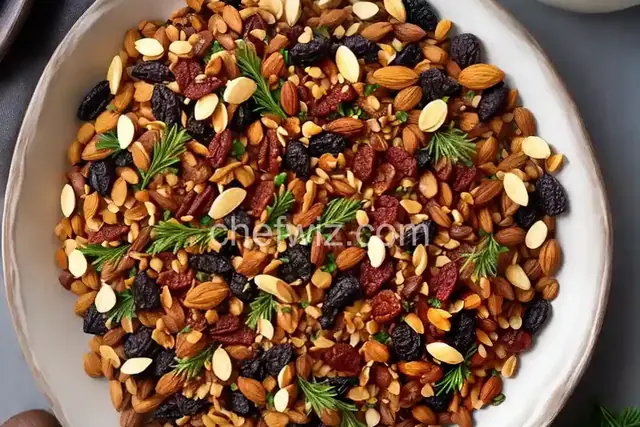
Are you searching for a delicious and symbolic addition to your Passover Seder plate? Look no further than Sephardic-style charoset with dried fruit and nuts. This sweet and aromatic mixture is a staple in Sephardic Jewish homes and a delightful way to celebrate the holiday. In this article, we will explore the history and significance of charoset, as well as provide you with a simple and satisfying recipe to try at home.
Charoset is one of the symbolic foods eaten during the Passover Seder, representing the mortar used by Jewish slaves in Egypt. Its sweet taste serves as a reminder of the sweetness of freedom. The ingredients used in charoset vary depending on Jewish cultural backgrounds, with Ashkenazi and Sephardic traditions having their own unique recipes. While Ashkenazi charoset typically includes apples and wine, Sephardic charoset features a delightful blend of dried fruits, nuts, and spices.
Imagine the rich and enticing aroma of freshly ground spices, combined with the sweetness of dates and raisins. Picture the satisfying crunch of toasted walnuts and the subtle tanginess of freshly squeezed orange juice. These are just some of the flavors that come together in Sephardic-style charoset, creating a harmonious blend that will tantalize your taste buds.
One of the key components of Sephardic-style charoset is dried fruit. Dates, raisins, and figs are commonly used, each bringing their own distinct flavor and texture to the mixture. The sweetness of the dates and raisins provides a natural sweetness, while the figs add a slightly earthy undertone. Together, they create a luscious and indulgent base for the charoset.
Another essential element of Sephardic-style charoset is nuts. Walnuts, almonds, and pistachios are popular choices, adding a delightful crunch and nuttiness to the mixture. Toasting the nuts before adding them to the charoset enhances their flavor, making them even more irresistible.
To elevate the flavors of the dried fruits and nuts, a blend of aromatic spices and liquids is added to the charoset. Cinnamon, ginger, and cloves infuse the mixture with warmth and depth, while freshly squeezed orange juice provides a refreshing citrus note. The combination of spices and liquids creates a symphony of flavors, making each bite of charoset a delight.
Now that we've explored the significance and flavors of Sephardic-style charoset, it's time to try making it at home. Here's a simple and satisfying recipe to get you started:
Now, you're ready to enjoy the delightful flavors of Sephardic-style charoset with dried fruit and nuts. Serve it alongside matzo or as a topping for a slice of matzo pizza. The choice is yours!
Sephardic-style charoset with dried fruit and nuts is a delicious and symbolic addition to your Passover Seder. Its blend of flavors and textures represents the richness and sweetness of freedom. By following the simple recipe provided, you can bring this delightful dish to your table and create lasting memories with your loved ones. So, why not give it a try this Passover season?
Yes! Feel free to experiment with different types of dried fruit to find your preferred combination. Just make sure to chop them into small pieces for a consistent texture.
Absolutely! You can swap the nuts listed in the recipe with your favorites or omit them altogether if you have nut allergies. The charoset will still be delicious.
Stored in an airtight container in the refrigerator, the charoset can last for up to a week. Make sure to give it a good stir before serving.
Charoset is traditionally eaten during the Passover Seder, but you can enjoy it any time of the year as a tasty and nutritious snack or topping.
Absolutely! The beauty of homemade charoset is that you can adjust the spices and sweetness according to your taste preferences. Feel free to add more or less of the spices and liquids until you achieve your desired flavor.
Yes, you can prepare a larger batch of charoset in advance and store it in the refrigerator. Just make sure to give it a good stir before serving to ensure the flavors are well distributed.
Absolutely! Charoset pairs well with a variety of dishes. You can serve it alongside cheese, on top of yogurt or ice cream, or as a filling for pastries. Get creative and enjoy it in different ways!
While it's possible to freeze charoset, the texture of the fruits and nuts may
AprilCook, recipe developer and the heart of Chefwiz. More about April