Seared Wild Striped Bass with Sauteed Spring Vegetables
Rate this recipeBe the first to rate
 By AprilPublished
 Are you a seafood lover? Do you enjoy the fresh flavors of spring vegetables?
 By AprilPublished
 Are you a seafood lover? Do you enjoy the fresh flavors of spring vegetables?
Fill a large pot with water and add salt. Bring it to a boil.
In a separate large bowl, fill it with ice water and salt.
Place the asparagus in the boiling water and cook until it returns to a rolling boil.
Remove the asparagus and immediately place it in the salted ice water.
Once the asparagus has cooled completely, remove it from the water and set it aside.
Repeat the same process with the sugar snap peas and then the fava beans.
Use the same blanching water for all the vegetables, making sure to blanch the fava beans last to prevent the water from turning black.
After blanching and cooling the fava beans, remove their tough outer skin to reveal the green fava bean inside.
Coat a large saute pan with olive oil and add the three garlic cloves (smashed with the heel of your hand).
Heat the saute pan over medium-high heat until the garlic turns golden brown and aromatic. Remove and discard the garlic.
Add the mushrooms and stock to the saute pan, season generously with salt, and saute for 1 minute.
Add the prepared veggies to the pan, season with salt, and saute until all the ingredients are coated with oil and heated through, and most of the stock has evaporated.
Serve the dish immediately or later at room temperature.
Take
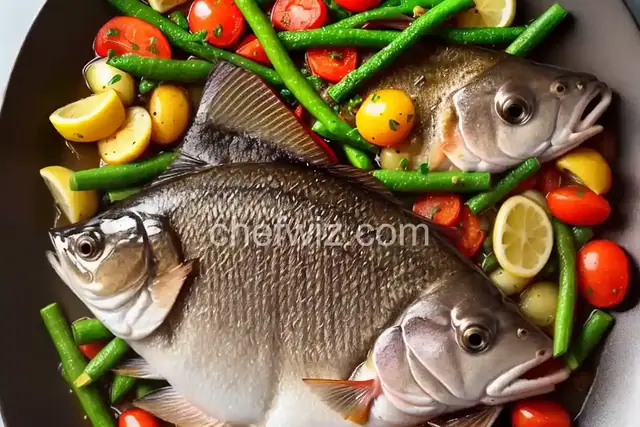
Are you a seafood lover? Do you enjoy the fresh flavors of spring vegetables? If so, then you're in for a treat! In this article, we'll explore the delectable dish of seared wild striped bass with sauteed spring vegetables. Get ready to tantalize your taste buds and impress your dinner guests with this flavorful and healthy meal.
Imagine a perfectly seared piece of wild striped bass, with its crispy skin and tender flesh. The fish is bursting with flavor, thanks to its natural oils and delicate texture. As you take a bite, the fish melts in your mouth, leaving a lingering taste of the sea. It's a culinary experience like no other.
When searing the bass, the high heat creates a beautiful caramelized crust, adding a depth of flavor and texture to the dish. The contrast between the crispy exterior and the moist interior is simply divine. It's a dish that's both visually appealing and gastronomically satisfying.
Now, let's talk about the sauteed spring vegetables that complement the seared wild striped bass perfectly. Picture a medley of vibrant green asparagus, sweet peas, tender baby carrots, and earthy mushrooms. These vegetables are sauteed to perfection, retaining their freshness and crunch.
The sauteed spring vegetables add a burst of color to the plate, making it visually appealing and appetizing. Not only do they provide a variety of textures, but they also enhance the overall flavor profile of the dish. The combination of the delicate fish and the crisp, flavorful vegetables creates a harmonious balance that will leave your taste buds singing.
Aside from their delicious taste, both the seared wild striped bass and the sauteed spring vegetables offer numerous health benefits. The bass is a lean source of protein, rich in omega-3 fatty acids, which are essential for heart health. It's also packed with vitamins and minerals, such as vitamin D, vitamin B12, and selenium.
The sauteed spring vegetables, on the other hand, are a treasure trove of nutrients. Asparagus is known for its detoxifying properties, while peas provide a good amount of fiber. Carrots are rich in beta-carotene, which is beneficial for eye health, and mushrooms are a great source of antioxidants.
Seared wild striped bass with sauteed spring vegetables is a dish that combines the best of both worlds - exquisite taste and nutritional goodness. It's a feast for the senses that will leave you feeling satisfied and nourished. So, why not give it a try and elevate your dining experience with this delightful seafood dish?
Yes, wild striped bass is considered a sustainable seafood choice. It's important to choose fish that is caught responsibly to ensure the long-term health of the ocean and its ecosystems.
Absolutely! If striped bass is not available, you can substitute it with other white fish such as sea bass, halibut, or snapper. The cooking method and flavors will still work well.
While fresh spring vegetables are recommended for the best flavor and texture, you can use frozen vegetables as a substitute if needed. Just make sure to thaw and drain them properly before sauteing.
The fish is cooked when it flakes easily with a fork and reaches an internal temperature of 145°F (63°C). Be careful not to overcook it, as it can become dry.
Absolutely! Feel free to experiment with different spices and herbs to enhance the flavor of the dish. Some popular options include garlic, lemon zest, dill, or thyme.
A crisp white wine such as Sauvignon Blanc or Chardonnay pairs well with seared bass. The acidity and citrus notes of these wines complement the delicate flavors of the fish.
If you have any leftovers, store them in an airtight container in the refrigerator. They can be enjoyed within 2-3 days. To reheat, gently warm the fish and vegetables in a skillet over low heat.
Absolutely! Grilling the bass is another delicious option. Just make sure to oil the grill grates and cook the fish over medium-high heat for about 4-5 minutes per side, or until it flakes easily.
AprilCook, recipe developer and the heart of Chefwiz. More about April