Seared Salmon Fillet
Rate this recipeBe the first to rate
 By AprilPublished
 Are you a seafood lover? Do you crave the tender and flavorful taste of salmon?
 By AprilPublished
 Are you a seafood lover? Do you crave the tender and flavorful taste of salmon?
Preheat a large non-stick pan over high heat and add olive oil.
Season the salmon generously with salt and pepper.
Place the salmon fillets in the pan, skin side down, and reduce the heat to medium-low.
Let the fillets cook undisturbed for approximately 7 minutes, or until they are well browned and about three-quarters cooked.
Carefully flip the fillets and cook for an additional 3 minutes, or until the center is just barely pink.
Serve the salmon immediately, with the skin side facing up.
Are you a seafood lover? Do you crave the tender and flavorful taste of salmon? Look no further! In this article, we will explore the art of searing a delicious salmon fillet to perfection. Get ready to tantalize your taste buds with a dish that combines simplicity and sophistication.
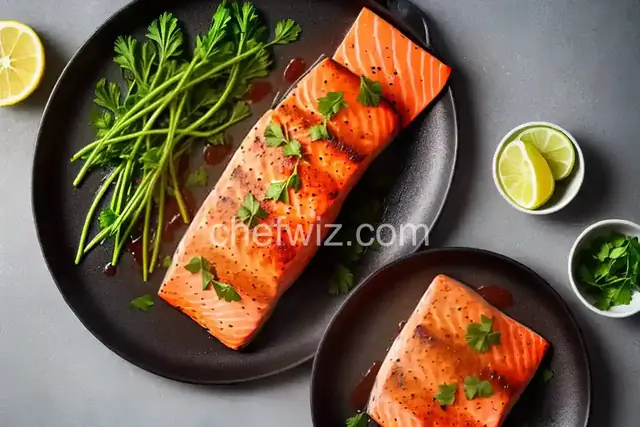
Imagine a perfectly seared salmon fillet, its exterior crisp and golden, while the inside remains moist and flaky. The process of searing locks in the natural juices, resulting in a burst of savory flavors with every bite. It's like a symphony for your palate!
So, what's the secret behind achieving that coveted sear? It's all about heat! High heat is key to creating a caramelized crust on the outside of the fillet while maintaining a tender center. Just like a dance, the salmon needs to sizzle and char in the pan, creating a beautiful melody of flavors.
Seasonings play a crucial role in enhancing the taste of seared salmon. Whether you prefer a simple sprinkle of salt and pepper or a blend of aromatic herbs and spices, the choice is yours. Think of seasonings as the supporting cast that elevates the star of the show - the salmon itself.
Now that you understand the importance of heat and seasonings, let's dive into the art of searing a salmon fillet.
Before you begin, ensure your salmon fillet is fresh and free of any bones. Pat it dry with a paper towel to remove excess moisture. This step is crucial as it helps the fillet to sear evenly and develop that desired crust.
Heat a skillet or frying pan over medium-high heat. Add a drizzle of oil, such as olive or avocado oil, and let it heat up. Remember, we want the pan to be hot but not smoking.
Gently place the salmon fillet, skin-side down, onto the hot pan. Allow it to cook undisturbed for a few minutes. The skin will become crispy and release easily from the pan when it's ready to be flipped.
Using a spatula, carefully flip the fillet and cook for a few more minutes until it reaches your desired level of doneness. Remember, salmon continues to cook after it's removed from heat, so it's better to slightly undercook it for a moist and tender texture.
Seared salmon fillet is a culinary masterpiece that combines simplicity and elegance. With the right heat, seasonings, and technique, you can create a dish that will impress even the most discerning palates. So, why not embark on a culinary adventure and sear your way to seafood heaven?
Yes, you can use frozen salmon for searing. However, make sure to thaw it completely before cooking to ensure even cooking and proper searing.
A cooked salmon fillet will be opaque and easily flake with a fork. You can also use a meat thermometer to check if it has reached an internal temperature of 145°F (63°C).
Yes, you can sear salmon without the skin. Just make sure to adjust the cooking time as it may cook faster without the protective layer of skin.
Absolutely! Searing salmon on a grill can add a smoky flavor to the dish. Preheat the grill to medium-high heat and follow the same searing process as mentioned in the article.
Seared salmon pairs well with a variety of side dishes such as roasted vegetables, quinoa salad, mashed potatoes, or a refreshing citrus salad.
Yes, you can sear salmon with the skin on and remove it after cooking. Searing the skin helps to enhance the flavor and texture of the fillet.
To prevent the salmon from sticking to the pan, ensure that the pan is properly heated and lightly greased with oil before adding the fillet. Also, avoid moving the fillet around too much while it's searing.
Yes, a non-stick pan can be used for searing salmon. However, keep in mind that a non-stick surface may not give you the same level of caramelization and crust as a regular skillet or frying pan.
AprilCook, recipe developer and the heart of Chefwiz. More about April