Seared Filet Mignon
Rate this recipeBe the first to rate
 By AprilPublished
 Are you a steak lover? Do you enjoy sinking your teeth into a perfectly seared piece of meat, bursting with flavor and juiciness?
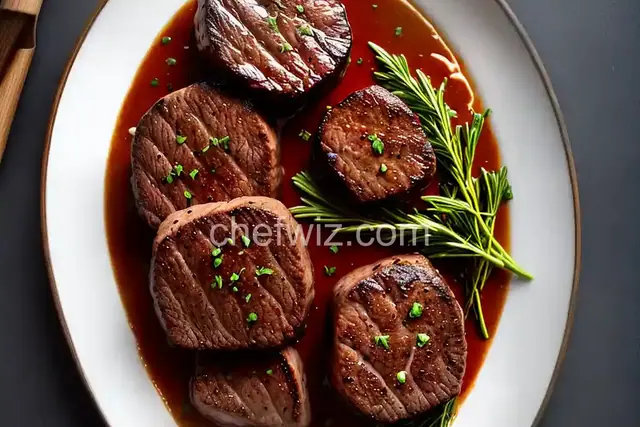 By AprilPublished
 Are you a steak lover? Do you enjoy sinking your teeth into a perfectly seared piece of meat, bursting with flavor and juiciness?
Sprinkle salt and pepper onto the Filet Mignons.
In a large saute pan, combine the butter and oil.
Heat the pan over high heat until the foam subsides.
Add the seasoned beef to the hot pan.
Sear each side for three minutes to achieve a rare cook.
Move the cooked Filet Mignons to a warm platter.
Are you a steak lover? Do you enjoy sinking your teeth into a perfectly seared piece of meat, bursting with flavor and juiciness? If so, then filet mignon is a cut that should be on your radar. Tender, succulent, and melt-in-your-mouth delicious, seared filet mignon is a true delicacy that will leave you craving for more. In this article, we will explore the art of searing filet mignon and discover why it is a steak lover's delight.
Filet mignon comes from the tenderloin, which is a muscle located along the spine of the cow. This muscle doesn't do much work, which is why the meat is incredibly tender. The lack of connective tissue means that filet mignon is also incredibly lean, making it a healthier choice for steak enthusiasts.
But what makes filet mignon truly special is its buttery texture and rich flavor. When properly cooked, it practically melts in your mouth, leaving you with a truly indulgent dining experience. Whether you prefer it rare, medium-rare, or well-done, filet mignon never fails to impress.
When it comes to cooking filet mignon, searing is an essential technique that enhances both flavor and texture. Searing involves cooking the meat in a hot pan or grill to create a caramelized crust on the outside, while keeping the inside tender and juicy. This process locks in the natural juices and creates a beautiful Maillard reaction, resulting in a depth of flavor that is hard to resist.
To achieve the perfect sear, start by patting the filet mignon dry with a paper towel. Season it generously with salt and pepper, or your favorite steak seasoning. Preheat your pan or grill to high heat, then add a small amount of oil or butter. Place the filet mignon in the pan and let it cook undisturbed for a few minutes on each side, depending on your desired level of doneness. Remember, a good sear requires high heat and a short cooking time.
Now that you have mastered the art of searing filet mignon, it's time to consider the perfect accompaniments. The richness and tenderness of filet mignon pair wonderfully with bold flavors. Consider serving it with a creamy mushroom sauce, a tangy red wine reduction, or a zesty chimichurri sauce. And don't forget to add some roasted potatoes, grilled asparagus, or a crisp salad to complete your steak dinner.
One way to determine the doneness of your filet mignon is by using a meat thermometer. For rare, aim for an internal temperature of 125°F (52°C). For medium-rare, go for 135°F (57°C). And for well-done, aim for 160°F (71°C). Remember to let the steak rest for a few minutes before slicing and serving.
Absolutely! Searing filet mignon on a grill can give it a delicious smoky flavor. Make sure to preheat your grill to high heat and oil the grates well to prevent sticking. Follow the same searing technique mentioned earlier, and you'll have a perfectly grilled filet mignon.
Filet mignon is typically cut into thick steaks, around 1 to 2 inches (2.5 to 5 cm) in thickness. This ensures that the steak remains juicy and tender, even after searing. Thinner cuts may dry out quickly during cooking.
While filet mignon is already packed with flavor, you can certainly marinate it if you desire. However, keep in mind that the marinade should be light and not overpowering, as you don't want to mask the natural taste of the meat. A simple marinade with herbs, garlic, and olive oil can add a subtle kick to your filet mignon.
It's best to thaw your filet mignon before searing. This allows for even cooking and better results. If you're short on time, you can use the reverse sear method, which involves cooking the steak in a low oven until it reaches the desired internal temperature, then finishing it off with a quick sear.
If you have any leftovers, store them in an airtight container in the refrigerator. To retain its tenderness, avoid reheating filet mignon in the microwave. Instead, gently warm it in a pan over low heat, or enjoy it cold in a salad or sandwich.
Absolutely! While filet mignon is delicious on its own, you can also use it in various recipes. Thinly sliced filet mignon can be used in stir-fries or fajitas, while cubed filet mignon is perfect for hearty stews and kebabs. Let your culinary creativity run wild!
Filet mignon is often considered one of the most expensive cuts of beef due to its tenderness and limited availability. However, it is worth every penny for a special occasion or a well-deserved treat. Remember, quality over quantity!
In conclusion, seared filet mignon is a steak lover's delight. Its tenderness, flavor, and versatility make it a cut above the rest. Whether you're hosting a dinner party or simply treating yourself to a luxurious meal, seared filet mignon is sure to impress. So fire up your grill or heat up your pan, and indulge in the ultimate steak experience.
AprilCook, recipe developer and the heart of Chefwiz. More about April