Seafood Risotto: A Delightful Dish to Savor
Are you a seafood lover? Do you enjoy indulging in a dish that combines the briny flavors of the ocean with the creamy goodness of risotto? If so, then seafood risotto is the perfect dish for you! This delectable Italian specialty, also known as Risotto ai Fruitti di Mare, is a harmonious blend of fresh seafood and rich, velvety rice. In this article, we will explore the wonders of seafood risotto, its origins, and how you can create this culinary masterpiece in the comfort of your own kitchen.
The Origins of Seafood Risotto
Seafood risotto is believed to have originated in the coastal regions of Italy, where fresh seafood is abundant. It is a dish that celebrates the bounties of the sea and showcases the culinary prowess of Italian chefs. Traditionally, seafood risotto is made with a variety of shellfish such as clams, mussels, and shrimp, along with the occasional addition of squid or octopus. The flavors of the seafood are beautifully infused into the creamy rice, creating a symphony of taste sensations.
The Art of Making Seafood Risotto
Creating a perfect seafood risotto requires patience, attention to detail, and a few key ingredients. The star of the show is, of course, the seafood. It’s important to select the freshest seafood available to ensure the best flavor. The rice used in risotto is typically Arborio or Carnaroli, known for their high starch content, which gives the dish its signature creamy texture. To enhance the flavor, aromatics such as onions, garlic, and white wine are often added.
To begin, you’ll need to saut√© the aromatics in a large pan until they become fragrant and translucent. Then, add the rice and stir it well to coat each grain with the flavors of the aromatics. Next, comes the slow and steady process of adding the liquid, usually a combination of fish or vegetable broth and white wine. The liquid is added gradually, allowing the rice to absorb it slowly, while stirring constantly to release the starch and create a creamy consistency.
As the rice cooks, the flavors of the seafood are introduced. The shellfish is typically added towards the end of the cooking process, as they require less time to cook and can easily become tough if overcooked. The seafood is gently simmered in the risotto until it is cooked to perfection, tender and succulent.
Unlocking the Flavors
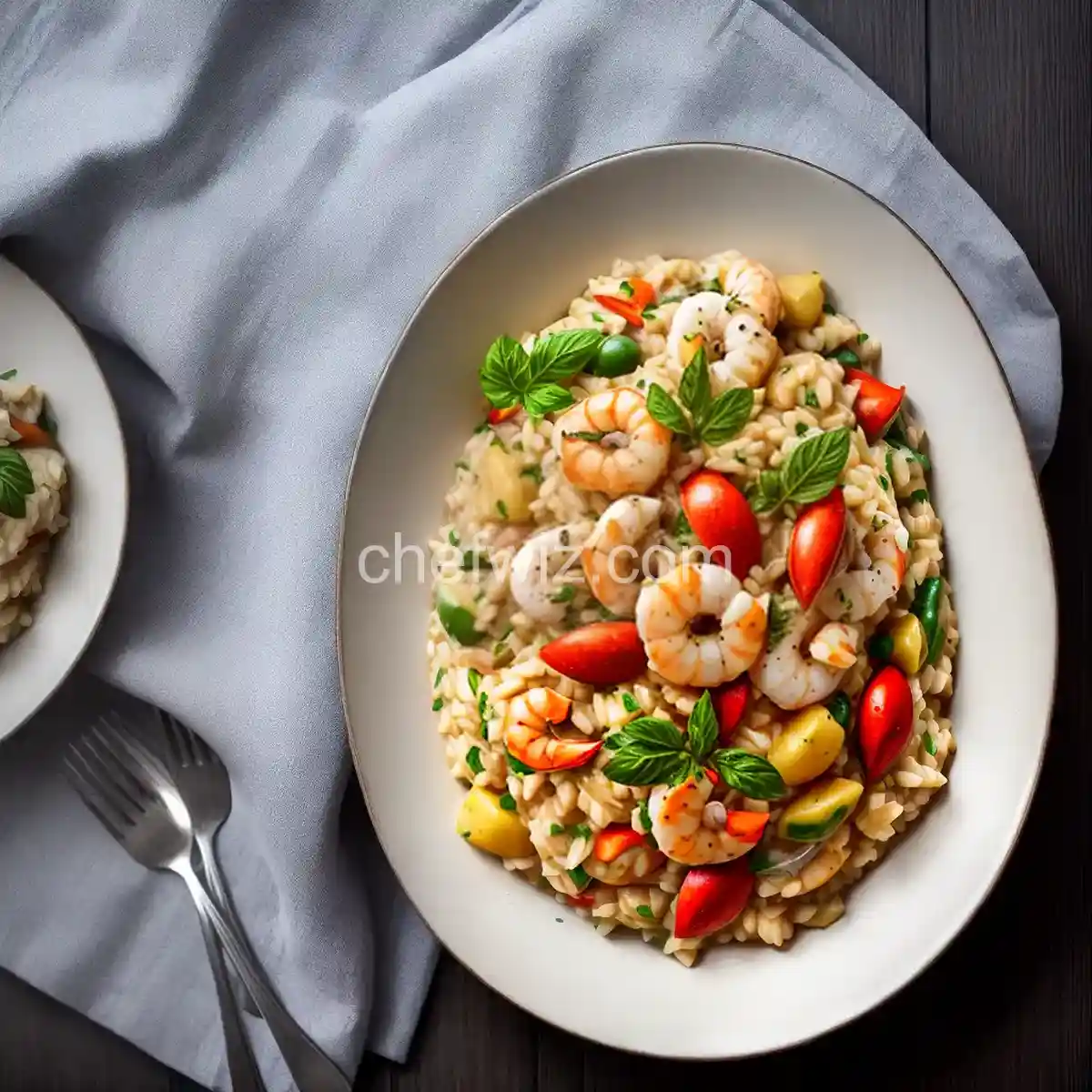
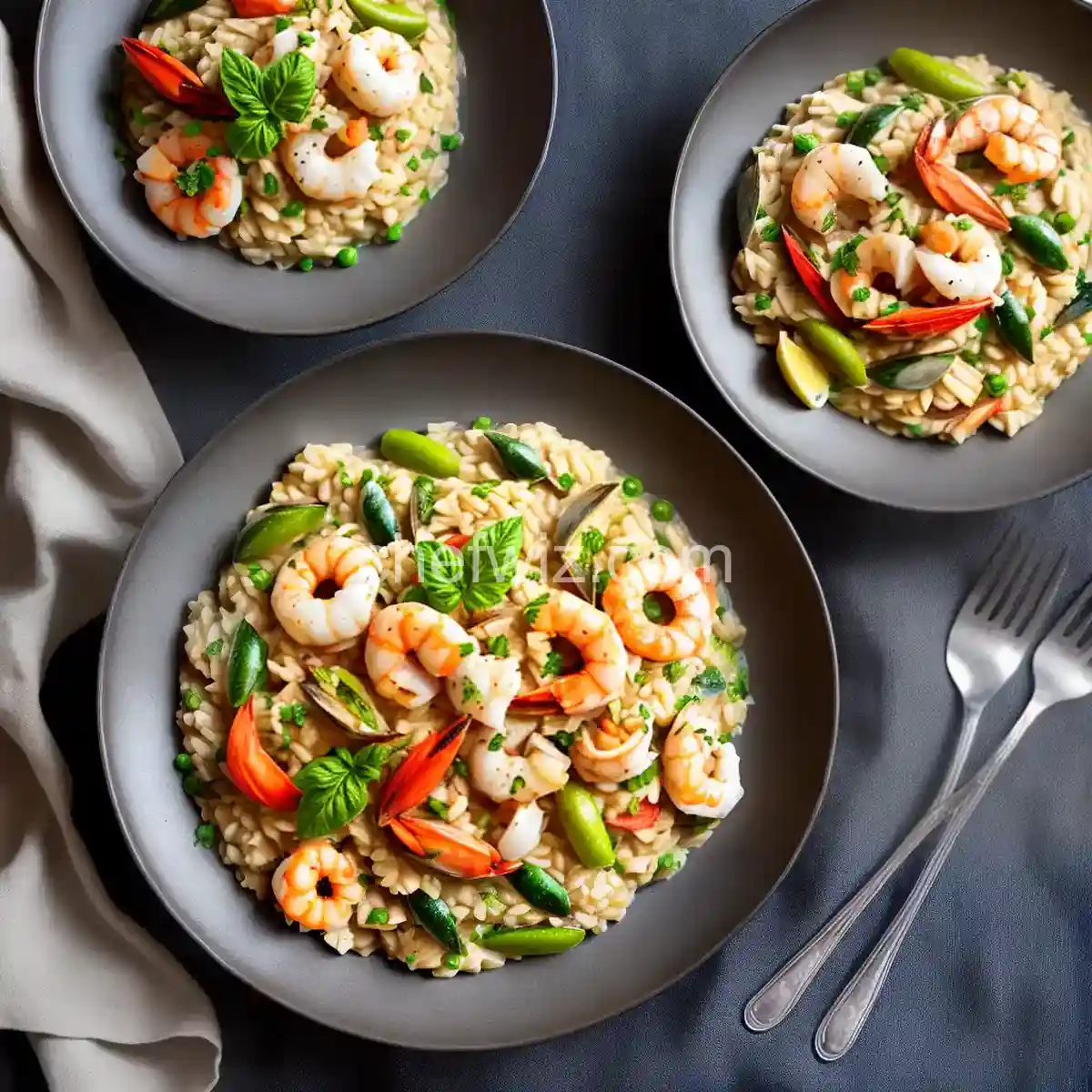
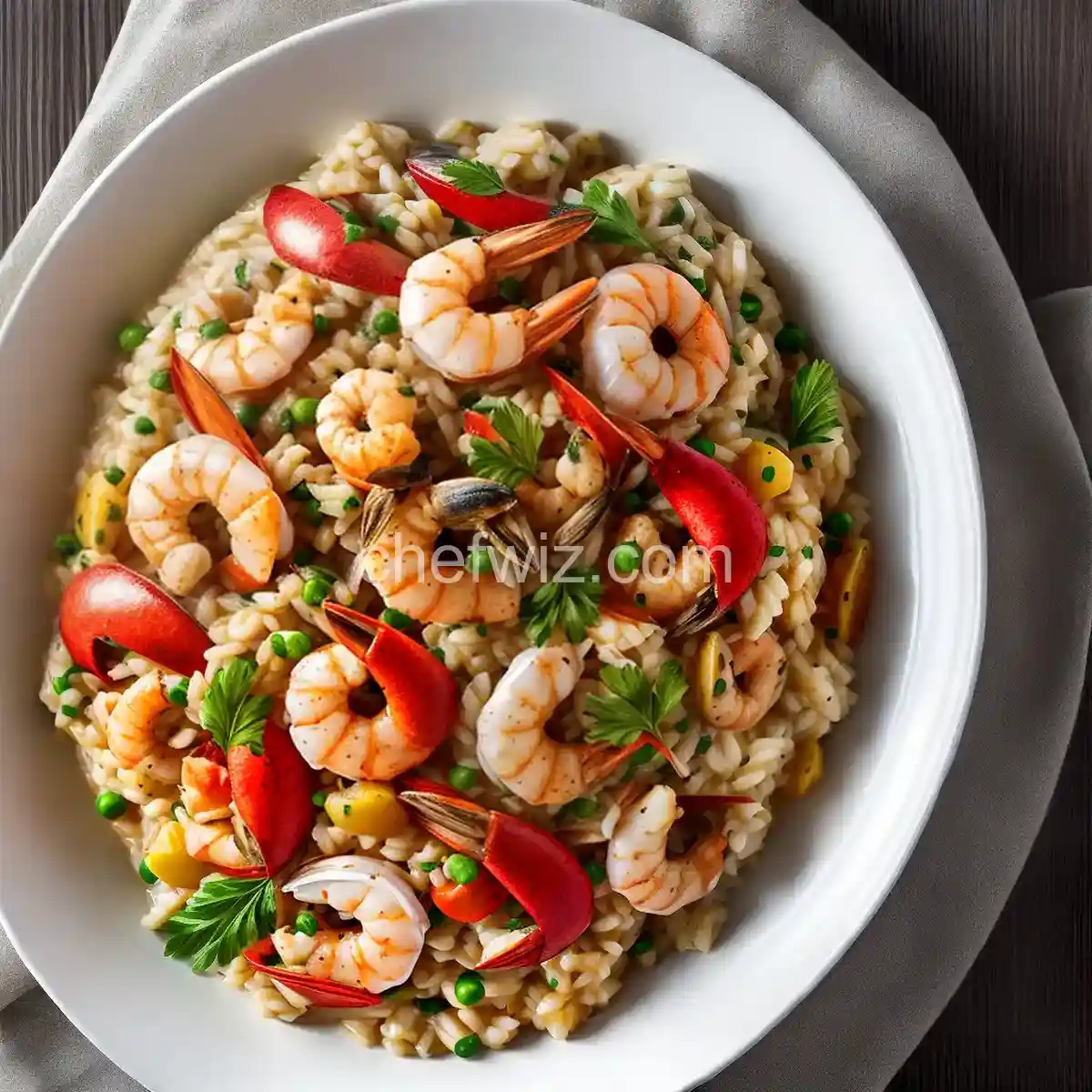
Seafood risotto is a dish that truly unlocks the flavors of the sea. The briny sweetness of the shellfish is beautifully balanced by the richness of the rice. The creamy texture of the risotto coats each piece of seafood, creating a harmonious blend of flavors in every bite. The dish is often finished with a sprinkle of fresh herbs such as parsley or basil, adding a touch of freshness and vibrancy.
When served, seafood risotto is a feast for the eyes as well as the palate. The vibrant colors of the seafood, mingling with the creamy white rice, create a visually stunning dish that is sure to impress your guests.
FAQs
1. Can I use frozen seafood for seafood risotto?
Yes, you can use frozen seafood for seafood risotto. However, fresh seafood will yield the best flavor and texture.
2. Can I use a different type of rice for risotto?
While Arborio and Carnaroli are the most commonly used rice varieties for risotto, you can experiment with other short-grain rice varieties. Just keep in mind that the texture may vary.
3. Can I make seafood risotto ahead of time?
Seafood risotto is best enjoyed immediately after cooking. The rice may become mushy if it sits for too long. However, you can prepare the ingredients ahead of time and assemble the dish just before serving.
4. Can I substitute the white wine in seafood risotto?
White wine adds depth and flavor to the risotto, but if you prefer not to use it, you can substitute it with an equal amount of vegetable or fish broth.
5. Can I add other vegetables to seafood risotto?
Absolutely! You can add vegetables such as peas, asparagus, or roasted red peppers to seafood risotto to add color and additional flavor.
6. Can I make seafood risotto without shellfish?
Yes, you can make seafood risotto without shellfish. You can use other types of seafood such as fish or scallops as the main protein.
7. Can I freeze leftover seafood risotto?
While it is possible to freeze leftover seafood risotto, the texture of the rice may change slightly upon thawing. It is best to consume it fresh.
8. Can I serve seafood risotto as a main course?
Seafood risotto can be served as a main course, especially when paired with a crisp salad or crusty bread. It is a satisfying and filling dish on its own.
In Conclusion
Seafood risotto is a culinary delight that brings together the flavors of the sea and the creaminess of risotto. With its rich, velvety texture and vibrant seafood, it is a dish that is sure to impress both your taste buds and your guests. So why not embark on a culinary adventure and create your own seafood risotto masterpiece? Dive into the depths of flavor and indulge in the wonders of this Italian specialty.
Seafood Risotto (Risotto ai Fruitti di Mare)

- 2 1/2 cups fish or vegetable broth
- 1/3 cup olive oil
- 3 tablespoons unsalted butter
- 1 small minced onion (about 1/2 cup)
- 1 1/3 cups Carnaroli or Vialone Nano rice
- 1/2 cup dry white wine
- 8 small Manila clams
- 8 mussels (, scrubbed and debearded)
- 4 ounces squid (, cleaned and thinly sliced)
- 4 medium sea scallops
- 1/2 cup peeled (, crushed, and seeded plum tomatoes)
- 1/2 cup loosely packed chopped fresh flat-leaf parsley
- 1/2 teaspoon chopped garlic
- 1 tablespoon brandy
- 1 tablespoon extra-virgin olive oil
- 1/2 cup freshly grated Parmigiano-Reggiano (optional)
- Salt and freshly ground black pepper
- Heat the fish or vegetable stock in a small saucepan and keep it warm.
- In a large saucepan, warm the olive oil over moderately low heat. Add 1 tablespoon of butter and the onion. Sauté the mixture, stirring occasionally, until the onion becomes tender (without any color) for about 5 minutes. Lightly toast the rice with the onion for 1 minute, ensuring no color change.
- Pour in the wine and cook until it’s almost completely absorbed. Add most of the stock (enough to cover the rice by about 1/2 inch) and bring it to a simmer. Stir occasionally and cook the risotto until the rice has absorbed some of the liquid, approximately 8 minutes.
- Add the clams, mussels, squid, scallops, and tomatoes. Continue cooking and stirring occasionally until the seafood is cooked and the rice is al dente, about 6 minutes more. If needed, add more stock as the rice absorbs the liquid.
- Remove the risotto from the heat and add the parsley, garlic, brandy, olive oil, and Parmigiano-Reggiano (if desired), along with the remaining 2 tablespoons of butter. Stir well to create a creamy risotto by releasing the starches. Season with salt and pepper according to taste. Serve immediately.
Related Recipes:
 How to Tell if Wine is Bad: Quality Check
 How Much Rice Per Person? (Perfect Measurement Conversion Guide)
 How to Reheat Rice and Keep It Fluffy
 How Many Ounces in a Bottle of Wine? (Perfect Measurement Conversion Guide)
 Risotto Cakes
 Risotto al Salto (Crispy Rice Pancake) Recipe
 Lobster Risotto
 Find Your Perfect Red Wine Vinegar Substitute: I’ve Got You!
 Fried Risotto Balls
 How to Tell if Fish is Bad: Freshness Checklist