Seafood File Gumbo
Rate this recipeBe the first to rate
 By AprilPublished
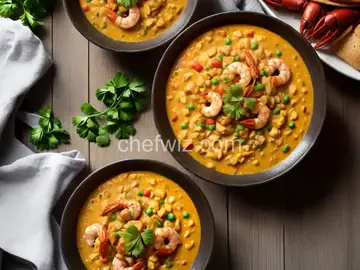
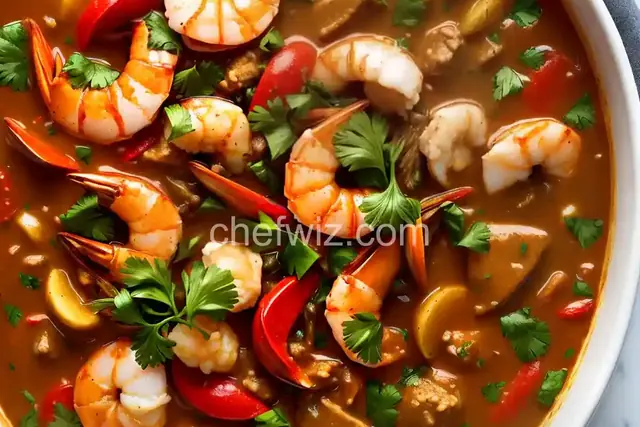
 Seafood File Gumbo: A Delicious Cajun Delight Seafood File Gumbo is a beloved dish that hails from the heart of Cajun country.
 By AprilPublished
 Seafood File Gumbo: A Delicious Cajun Delight Seafood File Gumbo is a beloved dish that hails from the heart of Cajun country.
Preheat the oven to 375 degrees F (190 degrees C).
Peel and remove the vein from the shrimp, keeping the shells. Place the shrimp in a covered bowl and refrigerate. Spread the shrimp shells on a baking sheet and bake until dried and slightly browned on the edges. Turn off the oven.
Prepare the stock: In an 8-quart pot, combine 5 quarts of water, 4 carrots, 4 onions, and celery. Add 2 bay leaves, sliced garlic, parsley, cloves, 1 teaspoon of black pepper, 1 tablespoon of dried basil, and 2 teaspoons of dried thyme. Add the shrimp shells. Slowly bring the stock to a boil, then reduce the heat to a gentle simmer and cook for 5 to 7 hours. Add more water, 2 or 3 times, as needed by pouring it down the side of the pot.
Remove the stock from the heat and strain it. Press out all the liquid from the shells and vegetables, then discard them. Return the liquid to the heat and simmer until it reduces to 2 to 3 quarts, or your desired quantity (you will need 7 cups of this stock for the recipe). If a clear stock is desired, strain it through a cloth.
In a small bowl, combine the ground red, white, and black peppers, paprika, thyme, oregano, bay leaf,
Seafood File Gumbo: A Delicious Cajun Delight
Seafood File Gumbo is a beloved dish that hails from the heart of Cajun country. This rich and flavorful stew is a true testament to the unique culinary traditions of Louisiana. Packed with a variety of seafood, aromatic vegetables, and a touch of spice, this dish is a delight for the taste buds. But what exactly is seafood file gumbo, and why is it so popular? Let's dive in and find out!
The term "gumbo" actually refers to a type of stew that originated in West Africa and was brought over to Louisiana by enslaved Africans. Over the years, it has evolved into a quintessential Louisiana dish, with each region putting its own spin on the recipe. Seafood file gumbo, in particular, is a variation that showcases the bounty of the Gulf Coast.
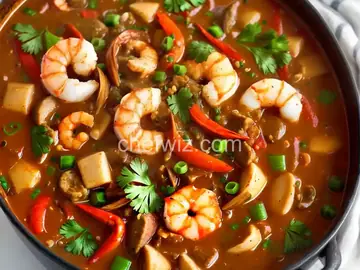
Picture a steaming pot filled to the brim with succulent shrimp, tender crab meat, and plump oysters. Add to that some smoky andouille sausage, aromatic onions, bell peppers, and celery, and you've got the base for a fantastic gumbo. The secret ingredient that sets seafood file gumbo apart is file powder, which is derived from ground sassafras leaves. This unique spice adds a subtle earthy flavor and thickens the stew to a perfect consistency.
But what really sets seafood file gumbo apart is the depth of flavor. The combination of shrimp, crab, and oysters gives this dish a luxurious seafood taste that is hard to resist. The spices and seasonings used, such as paprika, thyme, and bay leaves, create a complex and robust flavor profile that will leave you wanting more.
Preparing seafood file gumbo is a labor of love. It starts with making a roux, a mixture of flour and oil that serves as the base for the stew. The roux is cooked until it reaches a deep, caramel color, which adds a nutty flavor and helps thicken the gumbo. Then, the vegetables are sautéed until they become soft and fragrant, and the seafood is added along with the broth and spices. The gumbo simmers on low heat, allowing the flavors to meld together and develop into something truly extraordinary.
The beauty of seafood file gumbo lies in its versatility. You can customize it to your liking by adding your favorite seafood or adjusting the level of spice. Some people prefer to add okra or tomatoes for an extra layer of flavor, while others opt for a touch of hot sauce to give it a kick. No matter how you choose to make it, seafood file gumbo is guaranteed to satisfy even the most discerning taste buds.
In conclusion, seafood file gumbo is a delicious and hearty stew that showcases the flavors of the Gulf Coast. Its rich and complex flavors, combined with the freshness of the seafood, make it a true culinary masterpiece. Whether you're a seafood lover or simply looking to explore the diverse world of Cajun cuisine, seafood file gumbo is a must-try dish. So grab a spoon, dig in, and let the flavors transport you to the vibrant streets of Louisiana.
FAQs:
Q: Can I use frozen seafood to make seafood file gumbo?
A: Yes, you can use frozen seafood. Just make sure to thaw it properly before adding it to the gumbo.
Q: How spicy is seafood file gumbo?
A: The level of spiciness can vary depending on your preference. You can adjust the amount of spice by adding more or less cayenne pepper or hot sauce.
Q: Can I make seafood file gumbo in advance?
A: Yes, you can make seafood file gumbo in advance. In fact, the flavors tend to develop even more when the gumbo is allowed to sit overnight.
Q: What is the best type of rice to serve with seafood file gumbo?
A: Traditionally, seafood file gumbo is served with white rice. However, you can also serve it with brown rice or even cauliflower rice for a healthier option.
Q: Can I freeze seafood file gumbo?
A: Yes, you can freeze seafood file gumbo. Just make sure to cool it down completely before transferring it to a freezer-safe container.
Q: Can I substitute file powder with anything else?
A: If you can't find file powder, you can use okra as a thickening agent. However, keep in mind that it will alter the flavor profile of the gumbo.
Q: Can I use other types of seafood in seafood file gumbo?
A: Absolutely! Feel free to experiment with different types of seafood, such as mussels, clams, or even lobster, to create your own unique version of seafood file gumbo.
Q: What is the best way to reheat seafood file gumbo?
A: The best way to reheat seafood file gumbo is on the stovetop over low heat. Make sure to stir occasionally to prevent it from sticking to the bottom of the pot.
And there you have it - everything you need to know about seafood file gumbo. So go ahead, gather your ingredients, and embark on a culinary adventure that will transport you to the vibrant streets of Louisiana. Enjoy!
AprilCook, recipe developer and the heart of Chefwiz. More about April