Sea Bass in Papillote
Rate this recipeBe the first to rate
 By AprilPublished
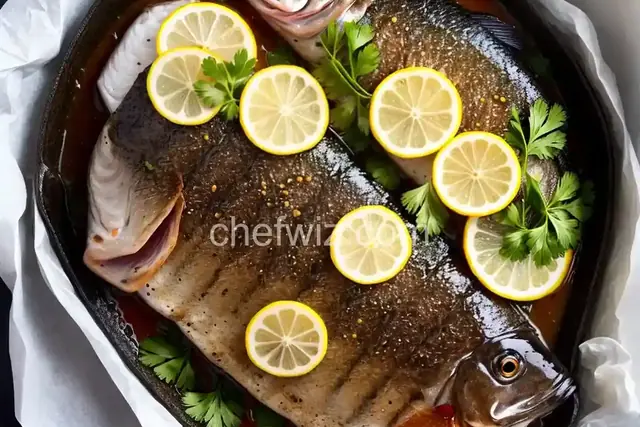
 Sea Bass in papillote is a delightful and healthy dish that is easy to prepare.
 By AprilPublished
 Sea Bass in papillote is a delightful and healthy dish that is easy to prepare.
Place the oven rack in the middle position and preheat the oven to 400°F.
Line a large baking sheet with foil and drizzle it with 1 tablespoon of oil.
Pat the fish dry and season both sides with salt and pepper.
Arrange the fish fillets, skin sides down, in a single layer in the center of the foil on the baking sheet. Slide 2 lemon slices under each fillet and place 2 sprigs of thyme on top of each fillet.
In a 10-inch heavy skillet, heat the remaining 2 tablespoons of oil over moderately high heat until hot but not smoking. Sauté the garlic, stirring occasionally, until pale golden, about 30 seconds.
Add the tomatoes and a pinch of salt to the skillet. Sauté, stirring occasionally, until the tomatoes are softened, about 1 minute. Stir in the capers.
Spoon the hot tomato mixture over the fish and then cover it with another sheet of foil, slightly tenting it over the fish. Crimp the edges of the foil tightly to seal.
Bake the fish in the preheated oven for 12 to 15 minutes, or until it is just cooked through (the cooking time may vary depending on the thickness of the fish). To check if the fish is cooked through, carefully lift up a corner of the top sheet of foil and pull up the sides of the bottom sheet to prevent the
Sea Bass in papillote is a delightful and healthy dish that is easy to prepare. The technique of cooking fish in parchment paper not only locks in the flavors but also creates a visually appealing presentation. In this article, we will explore the process of making sea bass in papillote and why it is a great choice for any occasion.
Cooking in papillote, or "en papillote" as the French say, is like creating a little present for your taste buds. By sealing the fish and accompanying ingredients in parchment paper, you create a steamy environment that allows the flavors to meld together beautifully. It's like the fish is being gently steamed in its own aromatic juices.
The parchment paper acts as a natural barrier, preventing any flavors from escaping while the fish cooks. This results in a moist and tender fish that is infused with the flavors of the herbs, vegetables, and seasonings used in the dish. The best part is that you can customize the ingredients to suit your taste preferences or dietary restrictions.
To prepare the sea bass for cooking in papillote, start by filleting the fish and removing any bones. This ensures that you can enjoy the dish without any unwanted surprises. Once the fish is filleted, season it with salt, pepper, and a squeeze of lemon juice. This simple seasoning enhances the natural flavors of the sea bass.
Now comes the fun part – choosing the ingredients to accompany the sea bass in the papillote. You can get creative with your selection, but some classic options include thinly sliced vegetables like zucchini, bell peppers, and carrots. Fresh herbs such as dill, parsley, or thyme add a burst of flavor and aroma to the dish.
Remember to consider the cooking time of the ingredients you choose. Softer vegetables like zucchini will cook faster than denser ones like carrots. By taking this into account, you ensure that all the ingredients are perfectly cooked when the sea bass is ready.
Once you have all your ingredients ready, it's time to assemble the sea bass in papillote. Place a sheet of parchment paper on a baking tray and arrange the sea bass fillet in the center. Surround it with the vegetables, herbs, and any additional seasonings you desire.
To seal the papillote, fold the parchment paper over the fish and vegetables, then crimp the edges tightly to create a secure packet. This ensures that the steam and flavors stay trapped inside while the sea bass cooks to perfection.
Preheat your oven to the recommended temperature and place the tray with the papillote inside. The cooking time will vary depending on the thickness of the fish and the ingredients used, but a general guideline is around 15-20 minutes at 400°F (200°C). Keep a close eye on the papillote to avoid overcooking.
Once the sea bass is cooked, carefully remove the papillote from the oven. Be cautious as the steam inside can be hot. Place the papillote on a serving plate and use scissors to cut open the top, allowing the aromatic steam to escape. The unveiling of the sea bass is a moment of anticipation and delight.
The sea bass in papillote will be beautifully cooked, moist, and infused with the flavors of the accompanying ingredients. The vibrant colors and enticing aromas will make your taste buds tingle with excitement. Serve it as is or with a side of steamed rice or crusty bread to soak up the flavorful juices.
Sea bass in papillote is a culinary masterpiece that combines simplicity and elegance. The process of cooking in parchment paper creates a sensory experience for both the eyes and the palate. The sea bass and accompanying ingredients are harmoniously cooked together, resulting in a dish that is both visually stunning and delectable.
Absolutely! Papillote can be made with various types of fish, such as salmon, trout, or snapper. Adjust the cooking time accordingly based on the thickness of the fish fillet.
Yes, you can experiment with different vegetables like asparagus, cherry tomatoes, or mushrooms. Just make sure to consider their cooking time and thickness when assembling the papillote.
Yes, cooking in papillote is a healthy method as it doesn't require much oil or fat. The fish and vegetables are cooked in their own juices, preserving their nutrients and natural flavors.
While it is possible to make papillote in the microwave, the results may not be as desirable as using an oven. The microwave can sometimes lead to uneven cooking and can affect the texture of the fish and vegetables.
It is best to assemble and cook the papillote right before serving for optimal freshness and flavor. However, you can prepare the ingredients in advance and store them separately until you are ready to cook.
Yes, you can use aluminum foil as an alternative to parchment paper. Just be aware that the cooking time may be slightly different, so keep a
AprilCook, recipe developer and the heart of Chefwiz. More about April