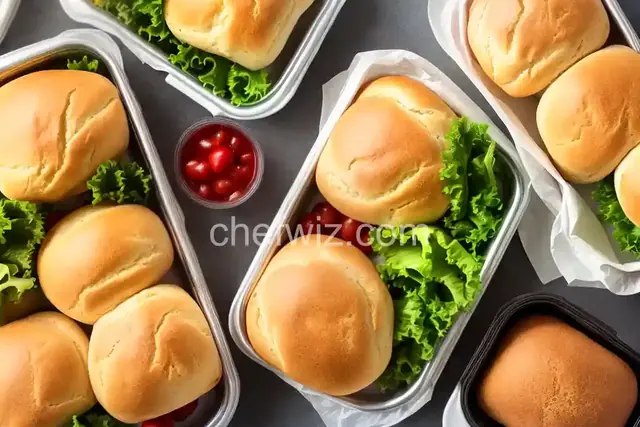
School Lunchroom Cafeteria Rolls: The Unsung Heroes of the Lunch Hour
When you think of school lunches, what comes to mind? Perhaps it's the memories of standing in line, tray in hand, waiting for your turn to grab a plate of food. And at the center of that plate, there they were - the humble cafeteria rolls. They may not have been the flashiest item on the menu, but they played a crucial role in making our school lunches complete. Let's take a closer look at these unsung heroes of the lunch hour.
The Versatile All-Rounder
Just like a superhero with multiple powers, cafeteria rolls have the versatility to complement any meal. Whether it's a serving of steaming hot soup or a hearty sandwich, these rolls are the perfect accompaniment. They are soft and fluffy, providing a delightful contrast to the other elements on the plate. Like a trusty sidekick, they add that extra touch of satisfaction to every bite.
The Secret of the Perfect Texture
Have you ever wondered what makes cafeteria rolls so irresistibly soft? It all comes down to the baking process. Like a science experiment, the dough is carefully mixed, kneaded, and left to rise. The result? A texture that is pillowy, light, and oh-so-delicious. It's like biting into a cloud. And the best part? These rolls are made fresh every day, ensuring that each one is a warm, buttery delight.
A Trip Down Memory Lane
Think back to your school days. Remember the lunchroom buzz as students eagerly unpacked their brown bags or trays? The aroma of freshly baked rolls wafting through the air, signaling that lunchtime had officially begun. Whether you were trading sandwiches with friends or making the perfect bite-sized roll sandwich, these rolls were an integral part of the school lunch experience. They brought comfort and a sense of familiarity to an otherwise ordinary day.
In Conclusion
Next time you think back to your school days, remember the unsung heroes of the lunch hour - the cafeteria rolls. These soft, pillowy delights added that extra touch of comfort and satisfaction to our school lunches. They were the perfect sidekick to every meal, bringing back memories of warmth and friendship. So, let's raise a metaphorical toast to these rolls and appreciate the role they played in making our school lunch experience complete.
Frequently asked questions
- . Are cafeteria rolls typically made from scratch?
Yes, most school cafeterias bake their rolls from scratch. The process involves mixing and kneading the dough, allowing it to rise, and then baking it to perfection.
- . Can I find cafeteria rolls outside of school lunchrooms?
While cafeteria rolls are primarily associated with school lunches, you can also find similar rolls in other settings, such as diners or certain restaurants that specialize in comfort food.
- . Are cafeteria rolls always served warm?
Ideally, cafeteria rolls are served warm to enhance their soft and fluffy texture. However, this may vary depending on the specific school's lunchtime logistics.
- . Are there any variations of cafeteria rolls?
Yes, some school cafeterias offer variations of the classic cafeteria roll, such as whole wheat rolls or rolls with added flavors like garlic or cheese.
- . Can I recreate cafeteria rolls at home?
Absolutely! While it may take some practice, there are numerous recipes available online that can help you recreate the nostalgic taste of cafeteria rolls in your own kitchen.
- . Do cafeteria rolls contain any allergens?
It's important to note that cafeteria rolls may contain common allergens such as wheat, dairy, or eggs. If you have any dietary restrictions or allergies, it's always best to check with the cafeteria staff or read the ingredient labels.
- . How long do cafeteria rolls stay fresh?
Cafeteria rolls are typically baked fresh every day. If stored properly, they can stay fresh for a couple of days. However, it's always best to enjoy them while they are still warm and at their prime.
- . What other foods pair well with cafeteria rolls?
Cafeteria rolls are incredibly versatile and can be paired with a variety of foods. They go well with soups, stews, sandwiches, and even a simple spread of butter or jam.
 By AprilPublished