Schnecken
Rate this recipeBe the first to rate
 By AprilPublished
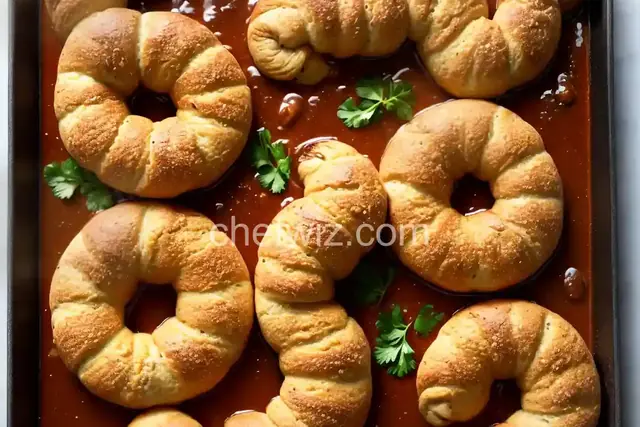
 Have you ever tried Schnecken? If not, you're missing out on one of the most delectable pastries to come out of Germany.
 By AprilPublished
 Have you ever tried Schnecken? If not, you're missing out on one of the most delectable pastries to come out of Germany.
In a small saucepan, bring the potato and 2 cups of cold water to a boil.
Reduce the heat and simmer for 15-20 minutes, or until the potato is tender.
Drain the potato, reserving the cooking liquid (approximately 1 cup).
Transfer the potato to a small bowl and mash it with a fork until you have about 1 cup.
Allow the potato cooking liquid to cool until it is warm, but not hot (between 105˚-110˚).
In a small bowl, whisk together the yeast and ¼ cup of the potato cooking liquid. Let it sit until it becomes foamy, about 5 minutes.
In the bowl of a stand mixer with a paddle attachment, beat the butter, sugar, and lemon zest on medium-high speed until light and fluffy, which should take about 4 minutes.
With the mixer running, add the eggs one at a time, making sure to fully incorporate each one before adding the next.
Stop the mixer and switch to the dough hook.
Add the yeast mixture, mashed potato, flour, salt, and ¾ cup of the potato cooking liquid to the mixer. Mix on low speed until everything is combined.
Increase the speed to medium and mix until the dough is very soft, elastic, and slightly sticky. It should be climbing up the hook
Have you ever tried Schnecken? If not, you're missing out on one of the most delectable pastries to come out of Germany. These sweet, sticky treats are a true delight for the taste buds. In this article, we'll dive into the world of Schnecken, exploring their history, flavors, and why they are a must-try for any pastry lover.
Like many famous dishes, Schnecken have a rich history that dates back centuries. The word "Schnecken" itself means "snails" in German, which is fitting considering the shape of these pastries. The inspiration for Schnecken came from the French pastry known as "escargot" or "snail," which also resembles a coiled shape.
Legend has it that Schnecken were first created by a German baker who wanted to put his own twist on the French escargot. He experimented with different ingredients and techniques until he perfected the recipe for what we now know as Schnecken. Since then, this delightful pastry has become a staple in German bakeries and households.
One of the great things about Schnecken is the variety of flavors and fillings that can be used. Traditional Schnecken are made with a sweet dough that is rolled out and spread with a mixture of cinnamon, sugar, and butter. Once rolled up, the dough is sliced into individual portions and baked until golden brown.
However, modern variations of Schnecken have expanded the flavor options. Some bakers add nuts, raisins, or even chocolate to the filling to create a more indulgent treat. The dough itself can also be flavored with lemon zest, orange extract, or vanilla to add an extra layer of complexity to the pastry.
Creating Schnecken is a labor of love. The process starts with preparing the dough, which needs time to rise and develop its flavor. Once the dough is ready, it is rolled out into a rectangle and spread with the filling. The dough is then carefully rolled into a log and sliced into individual portions.
Next comes the baking. The Schnecken are placed in a baking dish, close together, and left to rise once more. As they bake, the dough puffs up and the filling becomes gooey and caramelized. The result is a batch of golden, sticky Schnecken that are almost too beautiful to eat.
Schnecken are best enjoyed fresh out of the oven when they are still warm and gooey. The aroma of cinnamon and butter fills the air, making it impossible to resist taking a bite. These pastries are perfect for breakfast, brunch, or even as a sweet treat with a cup of coffee.
When serving Schnecken, you can dust them with powdered sugar or drizzle them with a glaze for an extra touch of sweetness. Some people even enjoy eating them with a dollop of whipped cream or a scoop of vanilla ice cream for a truly indulgent experience.
Schnecken are a true delight for the senses. From their rich history to the variety of flavors and fillings, these German pastries are a must-try for any pastry lover. Whether you enjoy them as a breakfast treat or a sweet indulgence, Schnecken are sure to satisfy your cravings. So why not venture into the world of Schnecken
Yes, Schnecken can be frozen. It's best to freeze them before baking, so they retain their freshness. Just place the sliced Schnecken on a baking sheet lined with parchment paper, freeze until firm, then transfer them to a freezer-safe container or bag. When ready to bake, simply thaw and follow the baking instructions as usual.
Traditional Schnecken are not vegan-friendly as they contain butter and sometimes eggs. However, you can easily adapt the recipe by using plant-based butter and an egg substitute. The result may differ slightly in texture and flavor, but it will still be a delicious treat.
Freshly baked Schnecken can be stored in an airtight container at room temperature for up to 3 days. If you want to keep them even longer, you can refrigerate them for up to a week. Just be sure to warm them up before serving to bring back their soft and gooey texture.
Cinnamon is a key ingredient in traditional Schnecken, but if you're not a fan or have an allergy, you can omit it and experiment with other spices or flavors. Cardamom, nutmeg, or even a combination of different spices can add a unique twist to your Schnecken.
Making Schnecken requires some time and patience, but it's not overly complicated. With a good recipe and a bit of practice, you'll be able to master the art of Schnecken making. The result is definitely worth the effort.
Absolutely! If you prefer bite-sized treats, you can make mini Schnecken by using a smaller baking dish and slicing the dough into thinner portions. Mini Schnecken are perfect for parties or when you want to indulge in just a small bite of sweetness.
Schnecken are most commonly associated with Germany, but their popularity has spread to other countries as well. You can find variations of Schnecken in bakeries and pastry shops around the world. Each culture puts its own unique spin on the classic recipe, creating a delightful fusion of flavors.
While traditional Schnecken are made with a sweet dough, you can experiment with puff pastry for a different texture and flakiness. Simply roll out the puff pastry, spread the filling, and roll it up before slicing and baking. The result will be a lighter and more delicate version of Schnecken.
AprilCook, recipe developer and the heart of Chefwiz. More about April