Sauteed Vegetables
Rate this recipeBe the first to rate
 By AprilPublished
 Are you tired of the same old boring vegetables? Want to add some flavor and excitement to your meals?
 By AprilPublished
 Are you tired of the same old boring vegetables? Want to add some flavor and excitement to your meals?
Heat olive oil in a large saute pan over medium-high heat.
Saute garlic in the pan, stirring, for 1 minute.
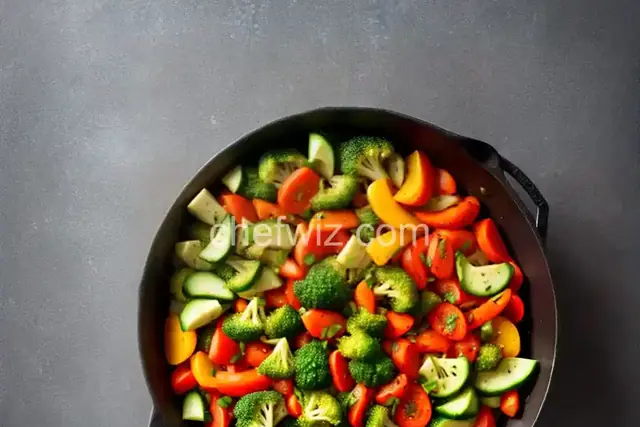
Add all the vegetables to the pan and cook until they begin to wilt, approximately 2 minutes.
Stir in oregano, soy sauce, and chicken stock, ensuring all ingredients are well combined.
Continue cooking until vegetables are fully wilted, approximately 3 minutes.
Remove the pan from heat.
Serve the cooked vegetables immediately.
Are you tired of the same old boring vegetables? Want to add some flavor and excitement to your meals? Look no further than sauteed vegetables! This simple cooking technique can transform your veggies into a delicious and nutritious dish that will leave you craving for more.
Sauteing is a cooking method that involves quickly frying food in a small amount of oil or butter over high heat. The high heat helps to caramelize the natural sugars in the vegetables, creating a rich and savory flavor. It's a fantastic way to bring out the best in your veggies and make them truly shine.
Sauteing vegetables not only enhances their taste but also retains their nutrients. Unlike boiling or steaming, sauteing allows the vegetables to maintain their firmness and texture, ensuring that they are not mushy or overcooked. Plus, the addition of spices and seasonings during the sauteing process takes the flavor to a whole new level.
Imagine biting into a forkful of perfectly sauteed veggies. The crispiness and the flavors explode in your mouth, leaving you satisfied and wanting more. The combination of the caramelized exterior and the tender interior creates a delightful contrast that is simply irresistible.
Whether you're enjoying them as a side dish or incorporating them into your main course, sauteed vegetables have the power to elevate any meal. They can be the star of the show or play a supporting role, adding depth and complexity to your culinary creations. From stir-fries to pasta dishes, sauteed vegetables are a versatile ingredient that can take your cooking to new heights.
Sauteing vegetables is a simple and straightforward process that anyone can master. Start by heating a small amount of oil or butter in a skillet over medium-high heat. Once the oil is hot, add your choice of vegetables and cook, stirring occasionally, until they are tender and lightly browned. Season with salt, pepper, and any other spices or herbs of your liking. Serve immediately and enjoy!
Sauteed vegetables are a game-changer in the kitchen. They not only add flavor and excitement to your meals but also retain the nutrients that make vegetables so essential for a healthy diet. With their burst of flavors and versatility, sauteed vegetables can turn any dish into a culinary masterpiece. So, why settle for bland and boring when you can saute your way to deliciousness? Give it a try and elevate your vegetable game to a whole new level!
Absolutely! You can saute virtually any vegetable you like. Some popular choices include bell peppers, zucchini, mushrooms, broccoli, cauliflower, and carrots. The key is to choose vegetables that have a similar cooking time to ensure even cooking.
While oil or butter is traditionally used in sauteing, you can also use vegetable broth or water for a healthier option. Just keep in mind that the vegetables may not get as crispy or caramelized without the fat from the oil or butter.
Yes, you can saute frozen vegetables, but it's important to thaw them first. Frozen vegetables contain a lot of moisture, and adding them directly to the hot skillet can result in a soggy mess. Thaw them overnight in the refrigerator or quickly thaw them in the microwave before sauteing.
Absolutely! Sauteed vegetables make a great base for adding protein. You can toss in some cooked chicken, shrimp, tofu, or even beans to make it a complete and satisfying meal.
To prevent your vegetables from sticking to the pan, make sure the skillet is hot before adding the oil or butter. You can also use a non-stick skillet or give the vegetables a toss occasionally to ensure even cooking and prevent sticking.
While it's best to enjoy sauteed vegetables immediately for maximum flavor and texture, you can saute them in advance and store them in the refrigerator. Just reheat them in a skillet over medium heat until warmed through before serving.
Yes, you can freeze sauteed vegetables, but keep in mind that their texture may change slightly upon thawing. To freeze, allow the sauteed vegetables to cool completely, then transfer them to airtight containers or freezer bags. They can be stored in the freezer for up to 3 months.
The possibilities are endless when it comes to seasoning sauteed vegetables. Some popular choices include garlic, onion powder, paprika, cumin, Italian seasoning, soy sauce, balsamic vinegar, and lemon juice. Feel free to experiment and find your favorite flavor combinations!
AprilCook, recipe developer and the heart of Chefwiz. More about April