Sauteed Fiddleheads
Rate this recipeBe the first to rate
 By AprilPublished
 Are you tired of the same old vegetables on your plate? Looking for a unique and delicious addition to your daily meals?
 By AprilPublished
 Are you tired of the same old vegetables on your plate? Looking for a unique and delicious addition to your daily meals?
Start by boiling a generous amount of water in a big pot with some salt.
Add the fiddlehead ferns to the boiling water and cook them until they are just tender, which should take around 7 to 10 minutes.
Once cooked, drain the ferns and set them aside.
In a large skillet, heat some olive oil over medium-high heat.
Add the prepared fiddlehead ferns, garlic, salt, and pepper to the skillet and stir them together.
Cook and stir the ferns until they become lightly browned and tender, which should take approximately 5 minutes.
Remove the skillet from the heat and sprinkle the ferns with a bit of lemon juice.
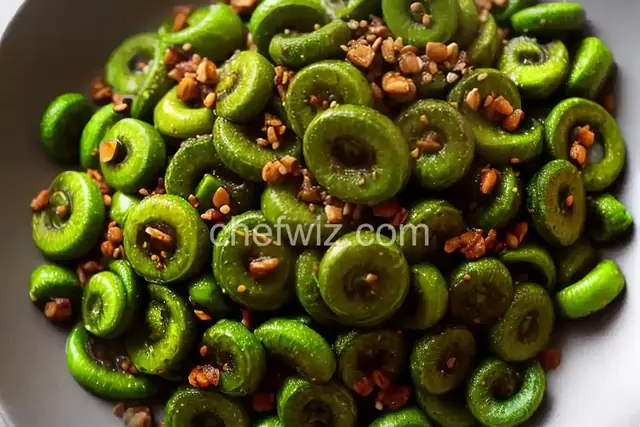
Are you tired of the same old vegetables on your plate? Looking for a unique and delicious addition to your daily meals? Look no further than sauteed fiddleheads! These vibrant green treats are not only visually appealing but also pack a punch when it comes to taste and nutrition.
If you're not familiar with fiddleheads, let me introduce you to these delightful greens. Fiddleheads are the young, coiled fronds of ferns that appear in the spring. They are harvested before the fronds unfurl and are mainly found in the wild, making them a seasonal delicacy.
But why are they called fiddleheads? Well, their name comes from their resemblance to the top of a fiddle or violin. It's almost like nature's own musical instrument!
Now that you know what fiddleheads are, let's talk about their taste and texture. When cooked, fiddleheads have a unique flavor that can be described as a combination of asparagus and spinach. They have a slightly nutty and earthy taste that is truly delightful.
In terms of texture, fiddleheads have a crunchiness similar to asparagus, making them a great addition to stir-fries, salads, or simply sauteed as a side dish. The contrast between their crunchy exterior and tender center adds an enjoyable element to any meal.
Fiddleheads not only taste great but also offer numerous health benefits. They are rich in antioxidants, vitamins, and minerals, making them a nutritional powerhouse. These green wonders are packed with vitamin A, vitamin C, iron, and fiber, making them a valuable addition to any balanced diet.
Moreover, fiddleheads are low in calories and fat, making them a guilt-free treat. They also contain omega-3 fatty acids, which are essential for brain health and reducing inflammation in the body. So, not only do they taste good, but they are also good for you!
Now that you're convinced to try sauteed fiddleheads, let's talk about how to cook them. Sauteing is one of the simplest and most delicious ways to prepare these greens. All you need is a hot pan, some oil or butter, and your fiddleheads.
Start by cleaning the fiddleheads thoroughly under cold water to remove any dirt or debris. Then, heat a pan over medium heat and add a drizzle of oil or a pat of butter. Once the oil or butter is hot, add the fiddleheads to the pan and saute them for a few minutes until they become tender-crisp.
Season the fiddleheads with salt, pepper, and any other herbs or spices you prefer. You can also add a splash of lemon juice or a sprinkle of Parmesan cheese for an extra burst of flavor. Once they are cooked to your desired level of tenderness, remove them from the pan and serve hot.
Sauteed fiddleheads are a delightful and unique addition to any meal. Their vibrant green color, nutty flavor, and crunchy texture make them a treat for both the eyes and the taste buds. Not to mention the numerous health benefits they offer. So, why not give them a try and add some excitement to your plate?
Fiddleheads can be found in the wild, usually in damp or wooded areas. However, you can also find them at local farmers' markets or specialty grocery stores during the spring season.
Fiddleheads are best enjoyed fresh, but if you need to store them, wrap them in a damp paper towel and place them in a plastic bag. Store them in the refrigerator for up to a week.
While fiddleheads can be eaten raw, it is recommended to cook them to ensure they are safe to consume. Cooking also enhances their flavor and texture.
Yes, fiddleheads are safe to eat when cooked properly. However, it is important to clean them thoroughly and cook them for at least 10 minutes to destroy any potential bacteria or parasites.
Yes, you can freeze fiddleheads for future use. Blanch them in boiling water for 2-3 minutes, then transfer them to an ice bath to cool. Once cooled, drain and place them in a freezer-safe container or bag. They can be stored in the freezer for up to 8 months.
Absolutely! Apart from sauteing, you can also steam, roast, or grill fiddleheads. Each method brings out a slightly different flavor and texture, so feel free to experiment and find your favorite cooking method.
Yes, you can eat the whole fiddlehead, including the coiled frond and the stem. However, some people prefer to trim the brown ends of the stems before cooking.
Definitely! Fiddleheads can be paired with a variety of ingredients to create delicious dishes. They go well with garlic, lemon, butter, mushrooms, bacon, and even seafood. Let your creativity run wild and experiment with different flavor combinations.
AprilCook, recipe developer and the heart of Chefwiz. More about April