Sautéed Broccoli Rabe
Rate this recipeBe the first to rate
 By AprilPublished
 Are you tired of the same old side dishes? Looking for something new to add to your dinner table?
 By AprilPublished
 Are you tired of the same old side dishes? Looking for something new to add to your dinner table?
Trim the ends of the broccoli rabe, removing ½ inch.
Prepare a large pot of water, adding salt to boil.
Fill a large bowl with ice water.
Place the broccoli rabe into the boiling water and blanch for 2 minutes.
Remove the broccoli rabe and immediately immerse it in the ice water for about 15 seconds to cool.
Drain the broccoli rabe and transfer it to paper towels to dry.
If using the broccoli rabe in a pasta recipe, stop here and follow the pasta recipe's instructions.
Heat oil in a large skillet over medium heat.
Add the garlic to the skillet and cook for 30 seconds.
Stir in the red pepper flakes.
Add the blanched broccoli rabe to the skillet and sauté, shaking the pan and gently tossing, until tender, including the stems, for 3 to 5 minutes.
Remove the broccoli rabe from the skillet and drain any excess liquid.
Season with salt and pepper to taste.
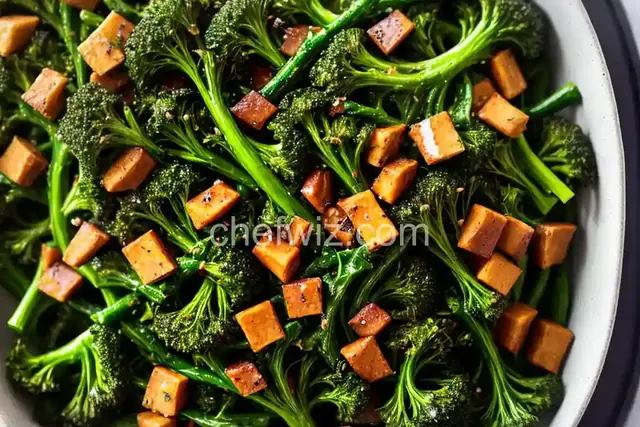
Serve the sautéed broccoli rabe as a side dish, squeezing lemon over it.
Are you tired of the same old side dishes? Looking for something new to add to your dinner table? Look no further than sautéed broccoli rabe! This vibrant and flavorful vegetable is not only delicious but also packed with essential nutrients. In this article, we will explore the wonders of sautéed broccoli rabe and why it should be a regular part of your meals.
Broccoli rabe, also known as rapini, is a green vegetable that belongs to the brassica family, which includes other cruciferous vegetables like broccoli and kale. It has long, thin stalks with small, leafy greens and a slightly bitter taste. Don't let the bitterness scare you away, though, as it adds a unique flavor that pairs well with various dishes.
One of the reasons why sautéed broccoli rabe is gaining popularity is its impressive nutritional profile. It is an excellent source of vitamins A, C, and K, as well as folate, iron, and fiber. These nutrients play a crucial role in promoting a healthy immune system, improving digestion, and supporting overall well-being.
Sautéing broccoli rabe is a quick and easy cooking method that brings out its natural flavors while maintaining its crisp texture. Here's a simple step-by-step guide:
And voila! Your sautéed broccoli rabe is ready to be served as a delightful side dish alongside grilled chicken, roasted salmon, or even as a topping for pizza or pasta.
Sautéed broccoli rabe is a versatile and nutritious side dish that deserves a place on your dinner table. Its unique flavor, combined with its impressive health benefits, makes it a winning choice for those looking to incorporate more greens into their meals. So, the next time you're seeking a delicious and vibrant addition to your plate, give sautéed broccoli rabe a try!
While both broccoli rabe and broccoli belong to the same family, they are different vegetables. Broccoli rabe has a more bitter flavor and thinner stalks with leafy greens, while broccoli has larger florets and a milder taste.
Yes, you can eat both the stalks and the leaves of broccoli rabe. The stalks may require a slightly longer cooking time to become tender, but they are equally delicious.
While it is possible to freeze sautéed broccoli rabe, the texture may change upon thawing. It is best to enjoy it fresh for the best taste and texture.
Absolutely! Sautéed broccoli rabe pairs well with other vegetables like cherry tomatoes, bell peppers, or mushrooms. Feel free to experiment and create your own delicious combinations.
Yes, you can use butter as an alternative to olive oil for sautéing broccoli rabe. The butter will add a rich and creamy flavor to the dish.
If you have any leftovers, let them cool completely before transferring them to an airtight container. Store in the refrigerator for up to three days and reheat in a skillet or microwave when ready to enjoy.
While sautéed broccoli rabe is traditionally served warm, you can also enjoy it cold as part of a salad or as a refreshing addition to a sandwich or wrap.
While the flavors and textures may differ, you can substitute regular broccoli for broccoli rabe in some recipes. Keep in mind that regular broccoli may require a shorter cooking time.
AprilCook, recipe developer and the heart of Chefwiz. More about April