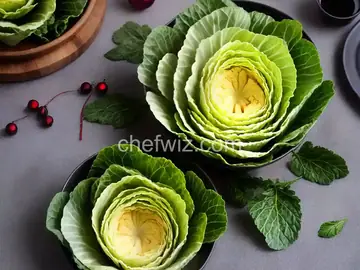
Sauerkraut for Canning
Rate this recipeBe the first to rate
 By AprilPublished
 Are you a fan of tangy and crunchy sauerkraut? Do you want to learn how to make your own sauerkraut and preserve it for later use?
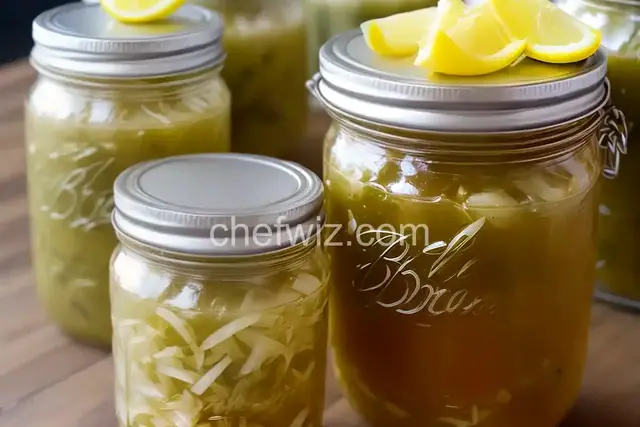 By AprilPublished
 Are you a fan of tangy and crunchy sauerkraut? Do you want to learn how to make your own sauerkraut and preserve it for later use?
Prepare the cabbage by removing the outer leaves and any undesirable portions.
Cut the cabbage heads into quarters and remove the cores.
Slice the cabbage into thin shreds about the thickness of a dime using a sharp knife, mandolin, or food processor.
Place 5 pounds of cabbage in a large bowl and sprinkle 3 tablespoons of salt over it. Mix thoroughly and let it stand for about 5 minutes until slightly wilted.
Pack the salted cabbage firmly and evenly into a clean pickling container, using a wooden spoon, tapper, or your hands to press it down until juice comes to the surface.
Repeat the salting and packing process in 5-pound batches until the container is filled within 3 to 4 inches of the top. If the juice does not cover the cabbage, make and add brine.
Cover the cabbage with cheesecloth, tucking the edges down against the inside of the container. Place a weighted bowl on top to submerge the cabbage.
Let the container sit in a room with a temperature of 70 to 75 degrees F (21 to 24 degrees C) for 3 to 6 weeks, removing and discarding any scum formation daily. Gas bubbles indicate fermentation.
When ready to can, inspect the jars for cracks and rust on the rings. Discard any defective ones.
Wash the jars
Are you a fan of tangy and crunchy sauerkraut? Do you want to learn how to make your own sauerkraut and preserve it for later use? In this article, we will explore the world of sauerkraut canning and discover the benefits of making your own fermented cabbage. Get ready to embark on a journey of flavors and nutrition!
Imagine opening a jar of homemade sauerkraut and being greeted by the vibrant smell of fermentation. The crisp texture and tangy taste are enough to make your mouth water. But how does one go about canning sauerkraut?
First, you need to gather fresh cabbage, salt, and canning jars. Begin by shredding the cabbage finely and placing it in a large bowl. Add the salt and massage it into the cabbage. This process helps to break down the cell walls, release moisture, and create the perfect environment for fermentation.
Next, pack the cabbage tightly into the canning jars, leaving about an inch of headspace at the top. Press down firmly to remove any air bubbles. Seal the jars with lids and rings, ensuring they are airtight. Now, it's time to let the fermentation magic happen!
During fermentation, beneficial bacteria convert the natural sugars in the cabbage into lactic acid. This process not only gives sauerkraut its signature tangy flavor but also preserves it by creating an acidic environment that inhibits the growth of harmful bacteria.
Place the jars in a cool, dark place and let the magic happen. The fermentation process usually takes about 2-3 weeks, depending on the desired level of tanginess. Remember to check the jars regularly and "burp" them to release any built-up gases.
Why should you bother making your own sauerkraut when you can easily buy it from the store? Here are a few reasons:
Sauerkraut is not only delicious but also packed with nutrients. It is a great source of fiber, vitamins C and K, and beneficial probiotics. By making your own sauerkraut, you have control over the ingredients and can ensure maximum nutritional value.
Sauerkraut is a versatile ingredient that can be used in various dishes. Add it to sandwiches, salads, or as a topping for hot dogs and sausages. The tangy flavor adds a delightful twist to any meal.
Buying sauerkraut from the store can be expensive, especially if you consume it regularly. Making your own sauerkraut allows you to save money in the long run while enjoying a homemade delicacy.
Making your own sauerkraut for canning is a rewarding and delicious experience. The process of fermentation transforms simple cabbage into a tangy and nutritious delicacy. With the benefits of homemade sauerkraut, including its nutritional value, versatility in the kitchen, and cost-effectiveness, it's worth giving it a try. So, gather your ingredients, start shredding that cabbage, and embark on your sauerkraut canning adventure!
Yes, you can use any type of cabbage for sauerkraut. However, traditional cabbage varieties, such as green or red cabbage, are commonly used.
Properly canned sauerkraut can last up to a year when stored in a cool, dark place. Once opened, it should be refrigerated and consumed within a few weeks.
Reusing brine from previous batches of sauerkraut is not recommended. Each batch of sauerkraut may have different levels of acidity, which can affect the fermentation process and overall quality.
If your sauerkraut turns brown during fermentation, it is likely due to oxidation. While it may not look as appealing, it is generally safe to consume. However, be cautious if there is any foul odor or mold present.
Absolutely! Experimenting with flavors is part of the fun. Feel free to add spices like caraway seeds or juniper berries, or even mix in other vegetables like carrots or onions to create unique blends.
Sauerkraut is naturally gluten-free and vegan, making it suitable for individuals with these dietary restrictions. However, be mindful of any added ingredients or potential cross-contamination if purchasing store-bought sauerkraut.
No, canning sauerkraut without the fermentation process can result in an unsafe product. The fermentation process is crucial for creating the acidic environment that preserves the sauerkraut and ensures its safety for long-term storage.
Absolutely! The longer you ferment the sauerkraut, the tangier it will become. Taste it regularly and decide when it reaches your desired level of tanginess.
AprilCook, recipe developer and the heart of Chefwiz. More about April