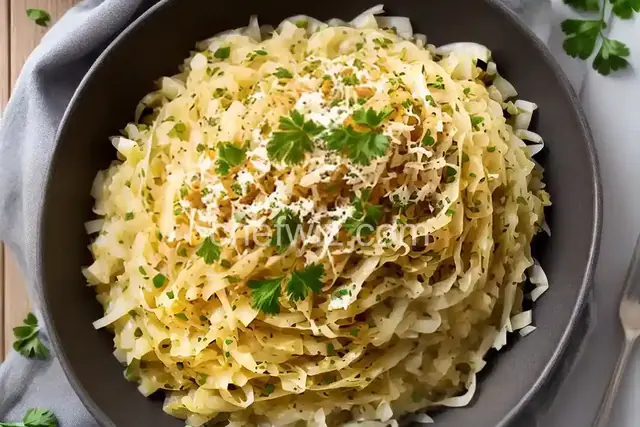
Sauerkraut a la France
Rate this recipeBe the first to rate
 By AprilPublished
 Have you ever wondered how sauerkraut, a traditional German dish, found its way to France?
 By AprilPublished
 Have you ever wondered how sauerkraut, a traditional German dish, found its way to France?
Heat the margarine in a skillet over medium heat.
Saute the onion, red bell pepper, and garlic in the skillet until tender.
Season the sauteed vegetables with paprika, caraway seed, and marjoram.
Add the pork strips to the skillet and cook for 5 minutes, or until they are lightly browned.
Stir in water, tomato paste, and sprinkle in the bouillon.
Continue cooking for an additional 10 minutes.
Mix sauerkraut into the skillet.
Continue cooking for another 10 minutes, or until the pork is fully cooked and the sauerkraut is heated through.
Have you ever wondered how sauerkraut, a traditional German dish, found its way to France? It's a fascinating story of culinary fusion and cultural exchange. In this article, we will explore the journey of sauerkraut to France and how it has become an integral part of French cuisine. So, let's dive in!
Sauerkraut, which translates to "sour cabbage," has its roots in Eastern Europe, particularly Germany. It is made by fermenting shredded cabbage with salt, resulting in a tangy and crunchy condiment. The fermentation process not only enhances the flavor but also preserves the cabbage for a long time.
Initially, sauerkraut was popular in German-speaking regions, where it was consumed as a staple food during the winter months. It provided a rich source of Vitamin C when fresh produce was scarce. Over time, sauerkraut gained popularity throughout Europe, thanks to its health benefits and unique taste.
When we think of French cuisine, sauerkraut might not be the first thing that comes to mind. However, sauerkraut has made its way to France and has become a beloved dish in the region of Alsace. Situated in northeastern France, Alsace has a rich history of cultural exchange with Germany, which is reflected in its culinary traditions.
The introduction of sauerkraut to France can be attributed to the region's history of changing borders. Throughout the centuries, Alsace has alternated between German and French control, resulting in a unique blend of cultures. As a result, German culinary influences, including sauerkraut, have become a significant part of Alsatian cuisine.
In Alsace, sauerkraut is known as choucroute and is considered a regional specialty. It is typically served as a hearty dish, featuring fermented cabbage cooked with various meats, such as sausages, ham, and pork. The dish is often accompanied by boiled potatoes and mustard, adding layers of flavor to the meal.
Choucroute garnie, a classic Alsatian dish, showcases the versatility of sauerkraut. It is a delightful combination of sauerkraut, sausages, smoked meats, and potatoes. The flavors meld together, creating a comforting and satisfying meal that is enjoyed by locals and tourists alike.
While sauerkraut has deep roots in Alsatian cuisine, it has also found its way into modern French cooking. Chefs across France have embraced sauerkraut as an ingredient that adds acidity and complexity to their dishes. It is now commonly used in salads, sandwiches, and even gourmet creations.
Restaurants in Paris and other major cities often feature sauerkraut-inspired dishes with a French twist. From sauerkraut-stuffed ravioli to sauerkraut-topped tartines, the possibilities are endless. This culinary fusion showcases the adaptability of sauerkraut and its ability to complement various flavors and cuisines.
Sauerkraut, originally a German specialty, has made a lasting impression on French cuisine. Through centuries of cultural exchange, it found its way to Alsace, where it has become an integral part of the region's culinary identity. Today, sauerkraut continues to evolve and adapt, delighting food lovers with its unique flavors and versatility.
Yes, sauerkraut is a healthy food. It is rich in probiotics, which promote good gut health. It is also a good source of Vitamin C and fiber.
Sauerkraut and coleslaw are both made from cabbage, but they have distinct differences. Sauerkraut is fermented cabbage, while coleslaw is made with fresh cabbage and mayonnaise-based dressing.
Absolutely! Making sauerkraut at home is relatively easy. All you need is shredded cabbage, salt, and a fermentation vessel. There are plenty of resources available online to guide you through the process.
Properly fermented sauerkraut can last for several months when stored in a cool and dark place. It develops more complex flavors as it ages.
Yes, sauerkraut can be a great addition to vegetarian dishes. Its tangy flavor adds depth to salads, sandwiches, and even plant-based stews.
Sauerkraut is commonly served as a side dish or as a topping for sausages and sandwiches. It can also be used as an ingredient in various recipes to add a tangy twist.
Yes, sauerkraut has cultural significance in France, particularly in the region of Alsace. It represents the historical and cultural ties between Germany and France.
For those following a vegan diet, kimchi, a Korean fermented cabbage dish, can be a great alternative to sauerkraut. It offers similar tangy flavors with a spicy kick.
AprilCook, recipe developer and the heart of Chefwiz. More about April