Sandkage (Rose Pound Cake)
Rate this recipeBe the first to rate
 By AprilPublished
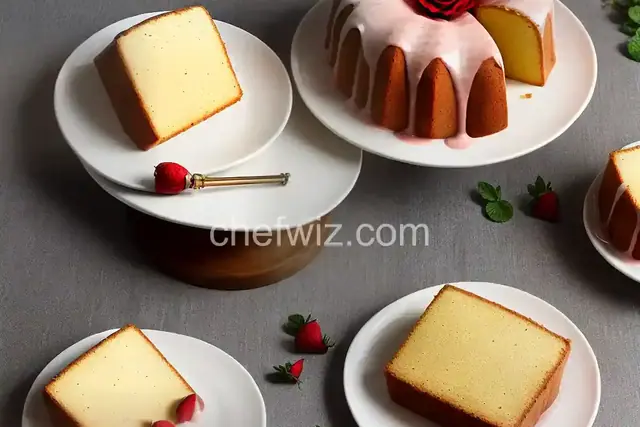
 Have you ever indulged in the delightful aroma and melt-in-your-mouth goodness of a sandkage, also known as a rose pound cake?
 By AprilPublished
 Have you ever indulged in the delightful aroma and melt-in-your-mouth goodness of a sandkage, also known as a rose pound cake?
Preheat the oven to 350°F.
Butter a 6 1⁄2 cup loaf tin and line the base with baking parchment.
In a food processor, grind the whole almonds with their skins until they are ground.
Cream the butter and sugar with an electric mixer until light and fluffy.
Gradually add the eggs one at a time, beating well after each addition.
Sift the flour and baking powder, then mix them into the ground almonds.
Fold the flour mixture into the butter mixture using a spatula.
Add enough milk to reach a dropping consistency, and mix well.
Pour the batter into the prepared tin.
Bake for one hour in the preheated oven.
After baking, let the cake cool for 10 minutes, then turn it out onto a wire rack.
Leave the cake to cool completely.
In a bowl, place the rose jelly.
Gradually add the icing sugar and mix until a smooth icing is achieved. The color will be a pale rose-pink.
If a brighter pink color is desired, add a small amount of food coloring.
Add a tiny splash of water while whisking, until the icing reaches a smooth and not too runny consistency.
Place the pound cake upside down on a serving dish, so the flat base is on top.
Spread the icing over the cake.
Have you ever indulged in the delightful aroma and melt-in-your-mouth goodness of a sandkage, also known as a rose pound cake? This Scandinavian delicacy is a true treat for the senses. In this article, we will dive into the history and unique characteristics of sandkage, exploring why it has become a beloved dessert around the world.
Every culture has its own unique desserts, and Scandinavia is no exception. The sandkage, with its delicate texture and subtle flavors, can be traced back to the kitchens of Denmark, Norway, and Sweden. It is said to have been inspired by the traditional English pound cake, but with a Scandinavian twist.
What sets the sandkage apart from other pound cakes is the addition of rose water. This floral essence adds a fragrant note that elevates the cake to a whole new level. The combination of buttery richness and the subtle hint of roses creates a harmonious balance of flavors that is simply irresistible.
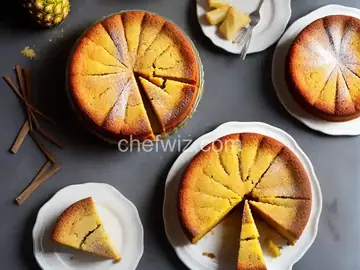
If there's one thing that distinguishes a sandkage from other cakes, it's the texture. The name itself, "sandkage," translates to "sand cake" in English, referring to the fine, crumbly consistency that resembles sand. Bite into a slice of sandkage, and you'll experience a tender, melt-in-your-mouth sensation that is nothing short of heavenly.
Sandkage is a versatile dessert that can be enjoyed in a variety of ways. Serve it warm with a dusting of powdered sugar for a simple yet elegant treat. For an extra touch of indulgence, pair it with a dollop of lightly sweetened whipped cream or a scoop of vanilla ice cream. The possibilities are endless!
In conclusion, sandkage is a delightful Scandinavian dessert that combines the richness of a pound cake with the delicate flavors of rose water. Its crumbly texture and irresistible aroma make it a true delight for the senses. Whether enjoyed on its own or with a side of cream or ice cream, sandkage is a dessert that will leave you craving for more.
While rose water is the traditional choice for sandkage, you can experiment with other flavors such as almond or vanilla extract to create your own unique twist.
Yes, sandkage can be frozen for later enjoyment. Simply wrap it tightly in plastic wrap or place it in an airtight container before freezing.
Eggs play a crucial role in the texture and structure of sandkage. However, there are egg substitutes available that you can explore if you have dietary restrictions or allergies.
While the traditional sandkage recipe calls for simple ingredients, you can certainly experiment by adding nuts, chocolate chips, or dried fruits to the batter for added texture and flavor.
When stored in an airtight container at room temperature, sandkage can stay fresh for up to 3-4 days. Alternatively, you can refrigerate it to extend its shelf life.
Absolutely! Sandkage is a great dessert to make in advance as it actually tastes better the day after it is baked. This allows the flavors to meld and the texture to become even more delightful.
Traditional sandkage recipes contain wheat flour and are not gluten-free. However, you can explore gluten-free flour alternatives to accommodate dietary restrictions.
While the traditional shape of sandkage is a loaf, you can certainly experiment with different molds or bundt pans to create unique shapes and presentation.
AprilCook, recipe developer and the heart of Chefwiz. More about April