Samosas
Rate this recipeBe the first to rate
 By AprilPublished
 Are you ready to embark on a culinary adventure that combines crispy textures, savory fillings, and a burst of flavors?
 By AprilPublished
 Are you ready to embark on a culinary adventure that combines crispy textures, savory fillings, and a burst of flavors?
In a medium bowl, combine flour, salt, and butter until the mixture resembles fine bread crumbs.
Gradually add water, using up to 1/4 cup if needed, to form a smooth dough.
Shape the dough into a ball and place it on a lightly floured surface.
Knead the dough for approximately 10 minutes, or until it becomes smooth and elastic.
Return the dough to the bowl, cover it, and set it aside.
Heat oil in a large, deep skillet to a temperature of 375 degrees F (190 degrees C).
In a medium saucepan, melt butter over medium-high heat.
Stir in onion, garlic, green chili peppers, and ginger, and cook for 5 minutes, or until the onions become golden brown.
Add turmeric, chili powder, ground lamb, and salt to the saucepan.
Cook the mixture until the lamb is evenly browned, which should take about 10 minutes.
Stir in garam masala and lemon juice, and continue cooking for an additional 5 minutes.
Remove the saucepan from heat.
Divide the dough into 15 equal portions.
Roll each portion into a ball and then flatten it into a 4-inch circle.
Cut each circle in half.
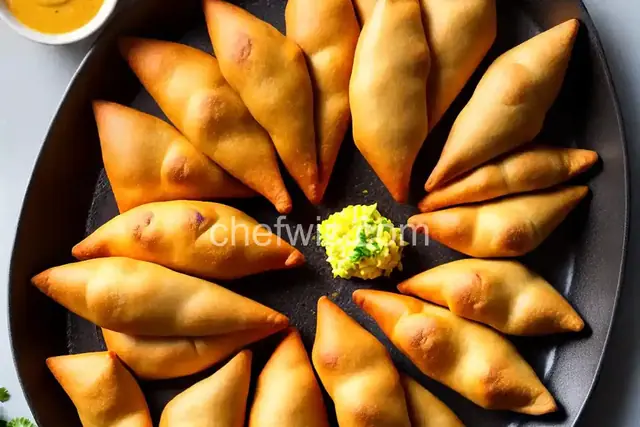
Moisten the edges of the semicircles and shape them into cones.
Fill each
Are you ready to embark on a culinary adventure that combines crispy textures, savory fillings, and a burst of flavors? Look no further than the humble samosa, a popular Indian snack that has won hearts all over the world. In this article, we'll take you on a delightful journey exploring the origins, varieties, and irresistible appeal of samosas.
Have you ever wondered where samosas originated from? Legend has it that these triangular delights were first created in the Middle East and traveled to India with merchants. Over time, samosas have become an integral part of Indian cuisine, offering a delightful blend of flavors and textures.
What makes samosas truly unique is the wide variety of fillings that can be used. From classic potato and pea fillings to mouthwatering combinations of minced meat, paneer, or even sweet fillings, there's a samosa for every palate. These fillings are spiced with a medley of aromatic ingredients, adding depth and complexity to each bite.
Picture this: you take a bite into a freshly fried samosa, and the crispy outer layer shatters, revealing a burst of flavors from the filling. The contrast between the crispy exterior and the succulent interior is a match made in culinary heaven. It's no wonder samosas are a popular choice for snacking or as an appetizer.
Did you know that samosas have gained popularity far beyond the Indian subcontinent? These delightful treats have made their way onto international menus, becoming a favorite in various cuisines. Whether it's a fusion samosa with Mexican flavors or a unique twist in a gourmet restaurant, samosas have proven their versatility and ability to adapt to different culinary traditions.
Are you eager to try your hand at making samosas? Here are a few tips and tricks to ensure your samosas turn out perfect every time. First, make sure the dough is rolled thin enough to achieve that signature crispiness. Second, seal the edges of the samosa properly to prevent any filling from leaking out during frying. Lastly, fry the samosas in hot oil to achieve that golden-brown color and irresistible crunch.
Wondering what to serve with your homemade samosas? The options are endless! You can enjoy samosas with tangy chutneys, cooling raita, or even a cup of steaming masala chai. The combination of the spicy samosas with these accompaniments creates a symphony of flavors that will leave you craving more.
Samosas are more than just a snack – they are a journey through flavors and cultures. Whether you indulge in a traditional potato-filled samosa or explore unique variations, each bite is a celebration of culinary craftsmanship. So, the next time you're craving a burst of flavors and a satisfying crunch, treat yourself to the irresistible joy of samosas.
Yes, you can bake samosas for a healthier alternative. Brush them with oil and bake in a preheated oven until golden and crispy.
Yes, many samosas are vegetarian-friendly, with fillings that include potatoes, peas, paneer, or lentils.
Absolutely! You can freeze samosas before frying them. Just make sure to thaw them before frying or baking.
Samosas can be as spicy as you like. Adjust the amount of chili or other spices in the filling according to your preference.
Yes, you can make gluten-free samosas by using a gluten-free flour blend for the dough.
Some popular samosa variations include keema samosa (minced meat), cheese samosa, and sweet samosas filled with nuts and sugar.
Freshly made samosas can be stored in an airtight container for up to 2-3 days. Reheat them in the oven or microwave before serving.
Yes, you can use store-bought wrappers if you're short on time. Look for spring roll or samosa wrappers in the freezer section of your local grocery store.
AprilCook, recipe developer and the heart of Chefwiz. More about April