Samoon (Iraqi Flatbread)
Rate this recipeBe the first to rate
 By AprilPublished
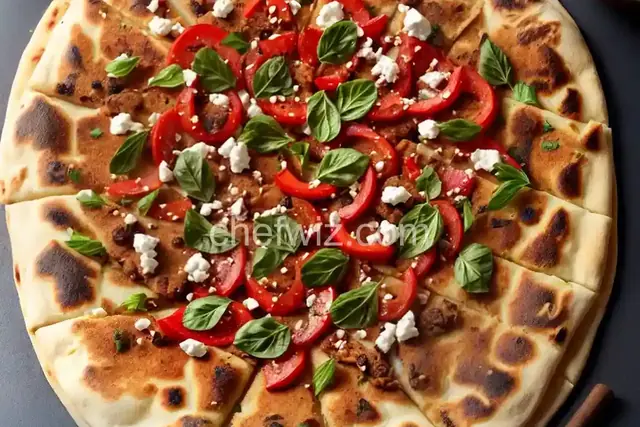
 Are you ready to embark on a culinary adventure? Join me as we explore the rich flavors and cultural heritage of Iraq through a beloved staple - Samoon!
 By AprilPublished
 Are you ready to embark on a culinary adventure? Join me as we explore the rich flavors and cultural heritage of Iraq through a beloved staple - Samoon!
In a large bowl, combine flour, powdered milk, yeast, sugar, and salt. Whisk them together.
Add butter to the mixture and use your hands to mix until it resembles coarse crumbs.
Gradually add water to the flour mixture, using your hands to mix well after each addition.
Once the dough has come together, transfer it onto a lightly floured surface and knead for about 8 minutes until smooth and elastic.
Lightly oil a large bowl with vegetable oil and place the dough in it. Turn the dough to coat it with oil. Cover the bowl with a towel or plastic wrap and let it rise in a warm place until it doubles in volume, approximately 1 hour.
Gently punch down the dough and divide it into 12 equal pieces. Shape each piece into a ball and cover them with a light cloth. Allow them to rest for 15 to 20 minutes. The dough may expand during this time, but it's okay if it doesn't.
Take one ball of dough and place it on a lightly floured surface. Press it with the palm of your hand. Bring two opposite sides of the dough together and pinch them. Repeat this step with the remaining opposite sides. Pull and press the dough to form a flat, elongated diamond-like shape. Place the shaped dough on a lightly greased baking sheet. Repeat this process with the rest of the dough. Cover the baking sheet with
Are you ready to embark on a culinary adventure? Join me as we explore the rich flavors and cultural heritage of Iraq through a beloved staple - Samoon! This traditional Iraqi flatbread is a feast for the senses, with its soft texture, aromatic spices, and mouthwatering taste. Let's dive into the history, significance, and mouthwatering variations of this delightful bread.
Imagine a time when bread was not just sustenance but a symbol of community and tradition. Samoon, with its roots dating back centuries, holds a special place in the hearts of Iraqis. This bread has witnessed the rise and fall of empires, serving as a testament to the resilience and culinary prowess of Iraqi culture.
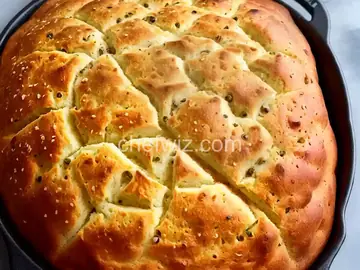
Creating the perfect Samoon is no easy feat. It requires skill, patience, and a deep understanding of the craft. Just like a potter molds clay, a baker meticulously shapes the dough, creating a canvas for flavors to unfold. The bread is then baked to perfection, resulting in a golden crust that encapsulates the soul of Iraq.
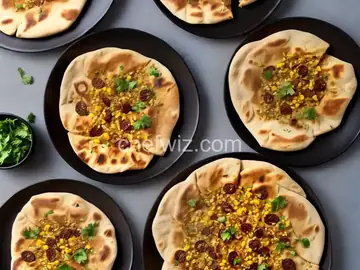
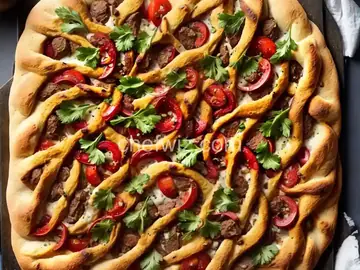
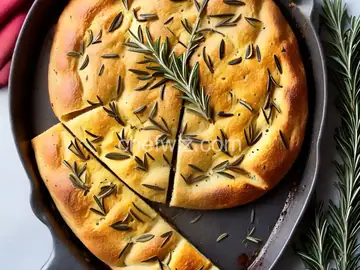
Samoon is a versatile bread that embraces a myriad of flavors and ingredients. From the traditional sesame-coated Samoon to the aromatic Za'atar-infused variation, each bite is a delightful journey through the diverse landscapes of Iraq. Whether you prefer it plain or packed with herbs, Samoon is sure to tantalize your taste buds.
Samoon is not just a bread; it is a cultural emblem that embodies the spirit of Iraq. It is a tangible connection to the past, present, and future. Sharing a meal that includes Samoon is a moment of unity, where families and friends come together to celebrate their heritage and create lasting memories. It is a symbol of resilience, nourishment, and the unbreakable bond of community.
Samoon is more than just a bread; it is a symbol of cultural heritage, community, and resilience. Through its soft texture, aromatic flavors, and rich history, it invites us to connect and celebrate the diverse tapestry of Iraqi cuisine. So, let's break bread together and savor the magic of Samoon!
The secret lies in the precise combination of ingredients and the art of kneading. The careful balance of flour, yeast, and water, coupled with the baker's skillful hands, results in a soft and pillowy texture that will melt in your mouth.
Absolutely! While a tandoor oven adds a unique smoky flavor, you can achieve delicious results with a conventional oven. Just make sure to preheat it to a high temperature to mimic the intense heat of a tandoor.
Samoon can be easily adapted to suit various dietary needs. Gluten-free flours, such as rice or almond flour, can be used instead of wheat flour, while vegan variations can be made by omitting dairy products. The possibilities are endless!
Absolutely! Samoon freezes well and can be stored for later use. Just make sure to let it cool completely before freezing and wrap it tightly to prevent freezer burn. When you're ready to enjoy it, simply thaw and warm it in the oven for a few minutes.
Samoon's versatility makes it a perfect companion for various dishes. It can be enjoyed with classic Middle Eastern dips like hummus and baba ganoush, used as a wrap for flavorful kebabs, or simply enjoyed on its own with a drizzle of olive oil. Let your creativity reign!
Indeed! Just like dialects differ across regions, Samoon also showcases regional variations. In some areas, it may be slightly sweeter, while in others, it may be spiced with unique blends of herbs and spices. Exploring these regional variations is like embarking on a gustatory adventure!
Yes, you can! By using gluten-free flours like rice or almond flour, you can create a delicious gluten-free version of Samoon that caters to your dietary needs. You don't have to miss out on the joy of this Iraqi delight!
Samoon is not just a bread; it is a window into the rich tapestry of Iraqi culture. By baking and sharing Samoon with your loved ones, you can create a connection to the traditions and stories of a vibrant community. Let Samoon be your guide on a culinary journey to the heart of Iraq!
AprilCook, recipe developer and the heart of Chefwiz. More about April