Samgyetang (Korean Rice-Stuffed Chicken Soup) Recipe
Rate this recipeBe the first to rate
 By AprilPublished
 Have you ever craved a comforting bowl of soup that warms your heart and nourishes your soul?
 By AprilPublished
 Have you ever craved a comforting bowl of soup that warms your heart and nourishes your soul?
In a medium bowl, place rice and cover with 1 inch of cold water. Let it soak for 2 hours, then drain the rice.
Rinse hwanggi and eomnamu under cold running water, using a brush to remove any grit. Place them in a large saucepan and cover with 2 quarts (2 liters) of cold water. Soak for 2 hours.
Move the saucepan to the stovetop and bring the water to a simmer. Let hwanggi and eomnamu gently simmer for 1 hour.
Meanwhile, remove wing tips, tail, and excess fat from the chickens. Clean the inside of the chicken cavity thoroughly to remove any blood between the ribs.
Stuff each chicken with alternating layers of sticky rice, jujubes, gingko, chestnuts, ginseng, and garlic.
Using a paring knife, make a small slit on each side of the cavity's skin. Cross the drumsticks and insert the end of each drumstick through the slit on the opposite side of the cavity to secure it without using string.
Strain the broth, discarding the hwanggi and eomnamu. Add fresh water to the broth to make it 2 quarts (2 liters) in total.
In a large pot or Dutch oven, arrange the stuffed birds side by side. Pour the broth over them. Cover and bring
Have you ever craved a comforting bowl of soup that warms your heart and nourishes your soul? Look no further than samgyetang, the traditional Korean rice-stuffed chicken soup. This humble dish, with its rich flavors and wholesome ingredients, has been a staple in Korean cuisine for centuries. Let's dive into the world of samgyetang and discover why it's a beloved favorite among locals and food enthusiasts alike.
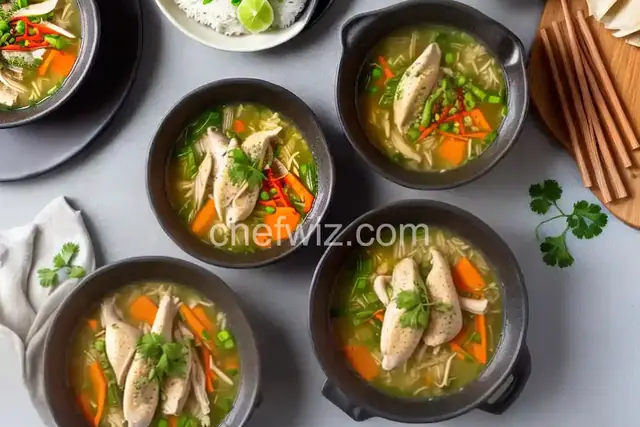
Picture this: a tender chicken, stuffed with glutinous rice, garlic, jujubes, and ginseng, simmered in a fragrant broth until the flavors meld together into a symphony of taste. The result is a soup that both invigorates and comforts, with a delicate balance of flavors that dance on your taste buds.
Samgyetang is not only a delicious treat but also a powerhouse of health benefits. The combination of ingredients provides a nourishing and revitalizing experience for your body. Ginseng, known for its medicinal properties, boosts the immune system and enhances vitality. The chicken and broth are packed with nutrients, providing protein, vitamins, and minerals to support overall well-being.
In Korean culture, samgyetang holds a special place. It is often consumed during the hot summer months to combat the sweltering heat and restore energy. The dish is also traditionally enjoyed on specific occasions, such as the hottest days of the year or during the Korean holiday of Chobok. It is believed that consuming samgyetang during these times helps to replenish energy and promote good health.
Creating a perfect bowl of samgyetang requires time and attention to detail. The chicken must be carefully stuffed and simmered to achieve the ideal texture and flavor. As the ingredients meld together, the broth becomes infused with the essence of the chicken and the aromatic spices, resulting in a deeply satisfying experience.
Like any great dish, the key to samgyetang lies in finding the perfect balance of flavors. The rice stuffing adds a subtle sweetness, while the garlic and ginseng infuse the broth with a delightful earthiness. Each ingredient complements the others, creating a harmonious blend that is greater than the sum of its parts.
Samgyetang is a labor of love that requires patience. The slow simmering process allows the flavors to develop and intensify, resulting in a broth that is rich and full-bodied. As the chicken cooks, it becomes tender and succulent, absorbing the flavors of the broth and the stuffing. The result is a dish that is both satisfying and comforting.
A1: Yes, samgyetang is gluten-free as it is made with glutinous rice instead of regular wheat-based rice.
A2: While the traditional recipe calls for chicken, you can experiment with vegetarian alternatives such as tofu or mushrooms.
A3: It typically takes around two hours to prepare samgyetang, including the time required for stuffing and simmering the chicken.
A4: Using glutinous rice is essential to achieve the desired texture and flavor of samgyetang. Regular rice won't provide the same sticky consistency.
A5: Samgyetang is not inherently spicy. However, you can add chili flakes or other spicy condiments if you prefer a kick of heat.
A6: Yes, you can freeze samgyetang for future enjoyment. Just make sure to cool it down completely and store it in an airtight container.
A7: While the classic recipe remains popular, there are variations that incorporate different herbs and spices to create unique flavors.
A8: Samgyetang has gained international popularity, and you can find it in Korean restaurants around the world. It's a dish that transcends borders and brings people together through its warmth and flavor.
In conclusion, samgyetang is more than just a bowl of soup. It's a culinary journey that delights the senses and nourishes the body. From its rich flavors to its cultural significance, samgyetang has earned its place as a beloved dish in Korean cuisine. So, why not treat yourself to a heartwarming bowl of samgyetang and experience the magic for yourself?
AprilCook, recipe developer and the heart of Chefwiz. More about April