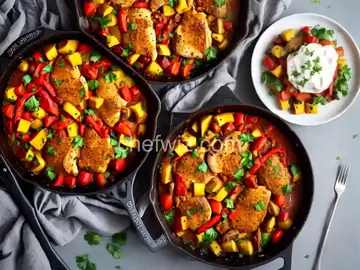
Salmon Cakes
Rate this recipeBe the first to rate
 By AprilPublished
 Are you looking for a tasty and healthy dish to add to your recipe repertoire?
 By AprilPublished
 Are you looking for a tasty and healthy dish to add to your recipe repertoire?
Combine salmon, onion, bread, egg, flour, salt, and pepper in a large bowl. Mix well until thoroughly combined.
Shape the mixture into 4 equal-sized patties.
In a large skillet, heat oil over high heat.
Place the patties in the hot oil and cook until both sides are browned, approximately 8 minutes.
Drain the patties briefly on a plate lined with paper towels before serving.
Please note that the nutritional value of the oil used for frying may vary depending on factors such as cook time, temperature, ingredient density, and the specific type of oil used.
Are you looking for a tasty and healthy dish to add to your recipe repertoire? Look no further than salmon cakes! These delectable creations are not only packed with flavor, but they are also loaded with nutrients that are beneficial for your overall well-being. In this article, we will dive into the world of salmon cakes, exploring their benefits, different variations, and some tips to make the perfect batch. Let's get started!
Salmon is often referred to as a superfood, and for good reason. It is rich in omega-3 fatty acids, which are essential for brain health and heart health. These fatty acids can also help reduce inflammation and improve joint health. Additionally, salmon is an excellent source of high-quality protein, which is essential for muscle growth, repair, and overall body function.
One of the great things about salmon cakes is their versatility. You can customize them to suit your taste preferences and dietary needs. Here are a few variations to consider:
This is the traditional recipe that uses basic ingredients like salmon, breadcrumbs, eggs, and seasonings. It's a simple yet delicious option that never fails to satisfy.
If you're looking to add an Asian twist to your salmon cakes, consider incorporating ingredients like ginger, soy sauce, and green onions. These flavors will give your dish a unique and vibrant taste.
For a taste of the Mediterranean, use ingredients like feta cheese, olives, and sun-dried tomatoes. These flavors will transport you to the sunny beaches of Greece.
Now that you know the different variations, it's time to learn some tips to ensure your salmon cakes turn out perfectly every time:
When making salmon cakes, it's best to use fresh salmon rather than canned. Fresh salmon has a richer flavor and a better texture, resulting in a more enjoyable eating experience.
When combining the ingredients for your salmon cakes, be careful not to overmix. Overmixing can lead to a dense and tough texture. Gently fold the ingredients together until just combined.
After mixing the ingredients, allow the mixture to rest in the refrigerator for at least 30 minutes. This will help the flavors meld together and make it easier to shape the cakes.
Salmon cakes can be cooked in a variety of ways, but two popular methods are searing and baking. Searing will give you a crispy exterior, while baking is a healthier option. Choose the cooking method that suits your taste preferences.
Salmon cakes are a delightful dish that combines taste and nutrition. Their versatility allows you to experiment with different flavors and create a meal that suits your preferences. Whether you're a seafood lover or looking for a healthy option to add to your menu, salmon cakes are a fantastic choice. So, why not give them a try and experience the wonders of this delicious treat?
A1: While fresh salmon is preferred, you can definitely use canned salmon as a convenient alternative. Just make sure to drain the liquid before incorporating it into the recipe.
A2: Yes, salmon cakes can be made gluten-free by using gluten-free breadcrumbs or substituting them with almond flour or cornmeal.
A3: Absolutely! Once cooked, salmon cakes can be frozen for up to three months. Just make sure to wrap them tightly to prevent freezer burn.
A4: Yes, you can experiment with different types of fish like tuna, cod, or trout to create your own unique fish cakes.
A5: Salmon cakes are cooked when they reach an internal temperature of 145°F (63°C) or when they are golden brown and crispy on the outside.
A6: Salmon cakes pair well with a variety of sides, such as a fresh salad, roasted vegetables, or a tangy tartar sauce.
A7: Yes, you can prepare the salmon cake mixture in advance and refrigerate it until you're ready to cook. This can be a time-saving option for busy weeknights.
A8: Absolutely! Salmon cakes are a great way to introduce kids to the flavors of seafood. You can also customize the recipe by adding their favorite seasonings or ingredients.
AprilCook, recipe developer and the heart of Chefwiz. More about April