Saboob (Egyptian Flatbread)
Rate this recipeBe the first to rate
 By AprilPublished
 When it comes to Egyptian cuisine, one cannot help but think of the mouthwatering variety of dishes that have captivated taste buds all around the world.
 By AprilPublished
 When it comes to Egyptian cuisine, one cannot help but think of the mouthwatering variety of dishes that have captivated taste buds all around the world.
Preheat the oven to 375 degrees F (190 degrees C).
Prepare a baking sheet by lining it with parchment paper.
In a bowl, combine flour and salt. Create a well in the center.
Add milk and oil to the well. Mix until a smooth dough forms.
Transfer the dough onto a lightly-floured work surface.
Knead the dough for 10 to 15 minutes until it becomes smooth and pliable.
Set the dough aside and let it rest for 15 minutes.
Divide the dough into 4 equal pieces.
Use a rolling pin to roll out each piece to a thickness of 1/4 inch.
Arrange the rolled-out dough pieces on the prepared baking sheet.
Bake in the preheated oven for 8 to 10 minutes, or until lightly browned.
If you prefer individual flatbreads, simply divide the dough into as many parts as desired.
When it comes to Egyptian cuisine, one cannot help but think of the mouthwatering variety of dishes that have captivated taste buds all around the world. From aromatic spices to delectable flavors, Egyptian food is a true reflection of the rich and vibrant culture of the region. And among the many culinary delights of Egypt, Saboob, the traditional Egyptian flatbread, stands out as a staple that has been enjoyed for generations.
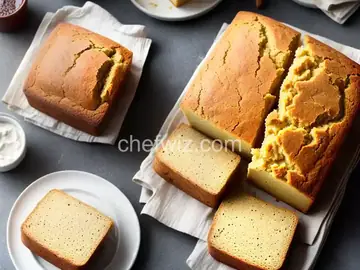
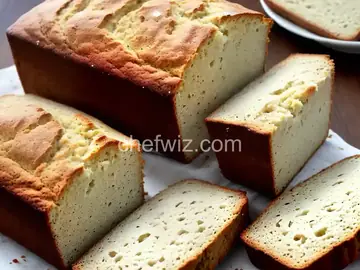
Saboob, also known as Egyptian flatbread, is a simple yet versatile bread that has won the hearts of many. It is the perfect accompaniment to any meal, whether it's a hearty stew or a flavorful dip. The bread is soft, fluffy, and slightly chewy, with a golden-brown crust that adds a delightful crunch.
What makes Saboob truly special is its ability to take on various forms and flavors. From the classic plain version to those topped with sesame seeds or za'atar, this bread can be customized to suit any palate. The dough is made with just a few ingredients, yet it yields a bread that is full of flavor and texture.
Making Saboob is an art that requires patience and skill. The process begins with mixing flour, yeast, salt, and water to form a smooth dough. This dough is then left to rise, allowing the yeast to work its magic and create those airy pockets that make the bread so light and fluffy.
Once the dough has risen, it is divided into smaller portions and rolled out into thin rounds. These rounds are then cooked on a hot griddle or in a traditional Egyptian oven, resulting in bread that is beautifully charred and perfectly cooked.
When you take a bite of Saboob, you are transported to the bustling streets of Cairo or the serene banks of the Nile. The flavors and textures of this bread capture the essence of Egyptian cuisine, making it a true culinary delight.
Pair it with some ful medames, a popular Egyptian dish made from fava beans, or use it to scoop up creamy hummus or tangy baba ganoush. The possibilities are endless, and each bite is a reminder of the rich culinary heritage of Egypt.
Unfortunately, Saboob is not gluten-free as it is made with wheat flour.
Yes, you can freeze Saboob. It is best to wrap it tightly in plastic wrap or foil before freezing to maintain its freshness.
The best way to reheat Saboob is to wrap it in foil and warm it in the oven for a few minutes until it is heated through.
While yeast is traditionally used to make Saboob, there are recipes available that use baking powder or baking soda as leavening agents instead.
Saboob is best enjoyed fresh on the day it is made. However, it can be stored in an airtight container for up to 2-3 days.
Absolutely! You can add herbs like parsley or spices like cumin or paprika to the dough to enhance the flavor of Saboob.
Yes, Saboob is vegan-friendly as it does not contain any animal products.
Yes, you can use whole wheat flour instead of all-purpose flour to make a healthier version of Saboob.
Saboob can be used in various ways, such as a base for pizza, a wrap for sandwiches, or even as a crust for savory tarts.
In conclusion, Saboob is more than just a bread; it is a symbol of Egyptian culture and a testament to the culinary prowess of the region. Whether enjoyed plain or with a variety of toppings, this versatile flatbread is sure to leave a lasting impression on your taste buds. So why not embark on a delicious journey into Egyptian cuisine and savor the magic of Saboob?
AprilCook, recipe developer and the heart of Chefwiz. More about April