Sabayon
Rate this recipeBe the first to rate
 By AprilPublished
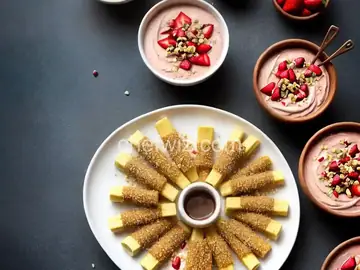
 Sabayon is a delectable dessert that will transport your taste buds to a whole new level of bliss.
 By AprilPublished
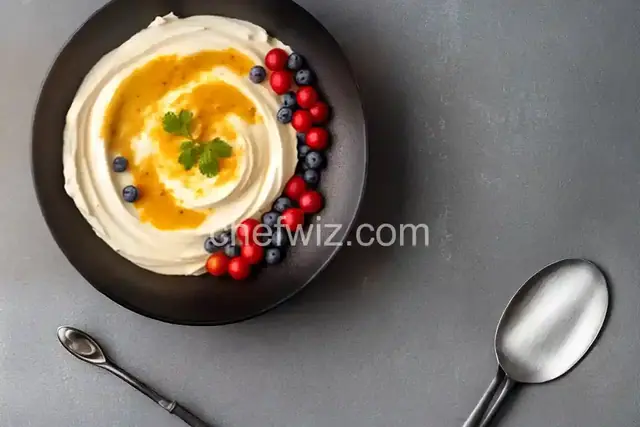
 Sabayon is a delectable dessert that will transport your taste buds to a whole new level of bliss.
Fill a pan with a few inches of water and bring it to a boil.
Reduce the heat to medium-low to maintain a simmer.
In a large heat-proof bowl, combine egg yolks, water, Marsala, and sugar.
Place the bowl over the simmering water.
Cook the mixture, whisking constantly with a balloon whisk, until the sugar is dissolved and the mixture begins to thicken, which should take about 2 minutes.
Continue cooking and whisking until the sabayon reaches the texture of mousse and holds its shape, which should take approximately 15 to 20 minutes.
Occasionally lift the bowl to release the steam and prevent the eggs from overcooking.
Serve the sabayon immediately.
If you prefer a savory sauce, use less sugar.
Feel free to use any type of alcohol you prefer.
If you are unable to serve the sabayon immediately and it starts to separate slightly, gently whip it over the simmering water for a few seconds.
Sabayon is a delectable dessert that will transport your taste buds to a whole new level of bliss. Imagine a creamy, velvety custard that melts in your mouth, leaving behind a hint of sweetness that lingers on your palate. This Italian dessert is a heavenly combination of eggs, sugar, and wine, whisked to perfection. It's like a symphony of flavors dancing on your tongue.
Sabayon, also known as Zabaione in Italy, is believed to have originated in the Piedmont region. It has a rich history that dates back to the Renaissance period. Legend has it that the dessert was first created by a monk in the 16th century. Inspired by the golden hues of the sunset, the monk concocted a dessert that resembled the radiant colors of the sky. And thus, Sabayon was born.
One of the key steps in making Sabayon is whisking the ingredients together. The act of whisking creates a magical transformation. As the egg yolks and sugar are vigorously whisked, they combine to form a thick, frothy mixture. This process incorporates air into the custard, giving it a light and airy texture. The result is a velvety smooth dessert that is simply irresistible.
Wine plays a crucial role in the flavor profile of Sabayon. It adds depth and complexity to the dessert, balancing out the sweetness of the custard. Traditionally, Marsala wine is used in Sabayon, but you can experiment with other varieties as well. Whether it's a rich red wine or a delicate white, the choice is yours. Just remember to use a wine that you enjoy drinking, as it will greatly influence the taste of your Sabayon.
Sabayon is a versatile dessert that can be enjoyed in various ways. You can serve it warm or chilled, depending on your preference. It can be enjoyed on its own, or paired with fresh fruits, such as berries or sliced peaches. For an extra indulgence, you can even drizzle some chocolate sauce over the top. The possibilities are endless, and each bite is a delightful surprise.
Here are some tips and tricks to ensure your Sabayon turns out perfectly every time:
Sabayon is a dessert that embodies the artistry of Italian cuisine. Its silky smooth texture and delightful flavors make it a truly indulgent treat. Whether enjoyed as a standalone dessert or incorporated into other culinary creations, Sabayon is sure to leave a lasting impression. So why not whisk up a batch of this heavenly delight and savor the magic?
Yes, you can experiment with different types of wine to create unique flavor combinations. Just make sure you choose a wine that complements the sweetness of the custard.
Yes, you can make a non-alcoholic version of Sabayon by substituting the wine with fruit juice or a flavored syrup. The result will be a slightly different flavor profile, but equally delicious.
Sabayon is best enjoyed fresh, but it can be stored in the refrigerator for up to 2 days. Just make sure to cover it tightly to prevent any odors from seeping in.
It is not recommended to freeze Sabayon, as it can alter the texture and affect the overall taste. It is best to consume it fresh.
While Sabayon is best enjoyed immediately after preparation, you can make it a few hours in advance. Just store it in the refrigerator and give it a gentle whisk before serving to restore its creamy texture.
Yes, you can substitute sugar with honey, maple syrup, or any other sweetener of your choice. Keep in mind that it may alter the taste slightly.
Absolutely! Sabayon makes a delightful filling for cakes, pastries, and even crepes. Its creamy texture and rich flavor add a touch of elegance to any dessert.
While Sabayon and custard share similarities, they are not the same. Sabayon is made with eggs, sugar, and wine, while custard is typically made with milk or cream. Sabayon has a lighter, frothier texture compared to custard.
AprilCook, recipe developer and the heart of Chefwiz. More about April