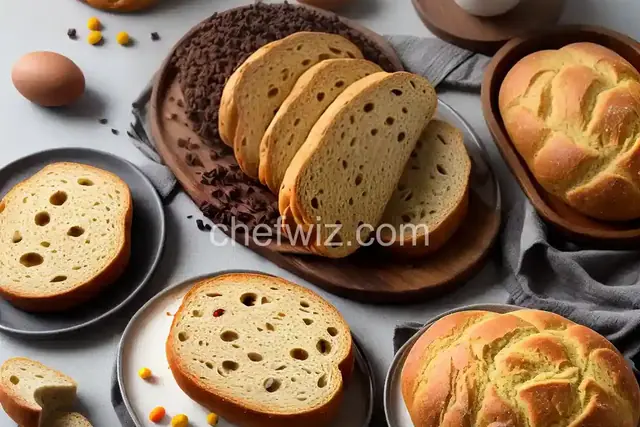
Title: Russian Easter Bread: A Symbol of Tradition and Celebration
Introduction:
Is there anything more enticing than the aroma of freshly baked bread wafting through the air? Imagine the warm, soft texture, the golden crust that crumbles just so, and the burst of flavor with every bite. Now, add a touch of tradition and celebration to that experience, and you have Russian Easter Bread. In this article, we will explore the rich history and cultural significance of this delectable treat, as well as the joy it brings to Russian households during the Easter season.
Heading 1: The History of Russian Easter Bread
Russian Easter Bread, also known as Kulich, has a history as old as the Russian Orthodox Church itself. Dating back centuries, this sweet, yeast-based bread is traditionally baked and enjoyed during Easter. Its origins can be traced to the Byzantine Empire, where bread was an integral part of religious rituals. Over time, this tradition made its way to Russia, where it evolved into the beloved Easter treat we know today.
Heading 2: Symbolism and Significance
Russian Easter Bread is not just a delicious baked good; it is packed with symbolism and meaning. Its cylindrical shape represents the tomb of Christ, while the rounded top symbolizes the crown of thorns. The white icing drizzled over the bread signifies the resurrection, and the sprinkling of colorful sprinkles represents joy and new life. Each ingredient tells a story, making every bite a spiritual experience.
Heading 3: The Baking Process
Creating Russian Easter Bread is a labor of love that requires skill and patience. The dough is made with flour, sugar, eggs, butter, and yeast, resulting in a light and fluffy texture. It is then flavored with aromatic ingredients such as vanilla, orange zest, and sometimes even saffron. The dough is shaped into a tall, cylindrical loaf and left to rise before being baked to perfection. The final touch is the decorative icing and sprinkles, adding a festive flair to the finished product.
Heading 4: Sharing the Joy of Russian Easter Bread
Easter is a time of celebration and togetherness, and Russian Easter Bread plays a significant role in fostering these sentiments. Families and friends gather around the table to break bread and share stories, creating lasting memories. The act of breaking the bread together symbolizes unity and the sharing of blessings. It is a joyful tradition that has been passed down through generations, connecting people to their roots and heritage.
Conclusion:
Russian Easter Bread is more than just a baked good; it is a symbol of tradition, celebration, and faith. Its rich history and cultural significance make it a cherished part of Russian Easter festivities. From the moment the dough is mixed to the final icing and sprinkles, every step in the baking process carries meaning. So, this Easter, why not add a touch of Russian tradition to your celebrations and experience the joy of Russian Easter Bread for yourself?
FAQs:
1. What is the significance of Russian Easter Bread?
- Russian Easter Bread is a symbol of tradition and celebration. Its shape, icing, and sprinkles carry deep religious meanings.
2. How is Russian Easter Bread made?
- Russian Easter Bread is made with a yeast-based dough, flavored with ingredients like vanilla and orange zest. It is shaped into a tall loaf and baked to perfection.
3. Why is Russian Easter Bread enjoyed during Easter?
- Russian Easter Bread is enjoyed during Easter as it represents the resurrection of Christ. It is a symbolic way to celebrate this religious holiday.
4. Can Russian Easter Bread be made at home?
- Absolutely! Russian Easter Bread can be made at home with the right ingredients and a little bit of patience. It is a rewarding baking project.
5. What are some variations of Russian Easter Bread?
- There are various regional variations of Russian Easter Bread, each with its own unique flavors and decorations. Some may include nuts, dried fruits, or even chocolate.
6. Is Russian Easter Bread only enjoyed in Russia?
- While Russian Easter Bread has its roots in Russian culture, it is also enjoyed by Russian Orthodox communities around the world during the Easter season.
7. How long does Russian Easter Bread stay fresh?
- Russian Easter Bread can stay fresh for several days if stored properly in an airtight container. It can also be frozen for longer shelf life.
8. Can I customize the decorations on Russian Easter Bread?
- Absolutely! Russian Easter Bread can be decorated with various icing designs and sprinkles. Get creative and make it your own!
Article and FAQs formatted in HTML:
Russian Easter Bread: A Symbol of Tradition and Celebration
The History of Russian Easter Bread
Russian Easter Bread, also known as Kulich, has a history as old as the Russian Orthodox Church itself. Dating back centuries, this sweet, yeast-based bread is traditionally baked and enjoyed during Easter.
Symbolism and Significance
Russian Easter Bread is not just a delicious baked good; it is packed with symbolism and meaning. Its cylindrical shape represents the tomb of Christ, while the rounded top symbolizes the crown of thorns.
The Baking Process
Creating Russian Easter Bread is a labor of love that requires skill and patience. The dough is made with flour, sugar, eggs, butter, and yeast, resulting in a light and fluffy texture.
Sharing the Joy of Russian Easter Bread
Easter is a time of celebration and togetherness, and Russian Easter Bread plays a significant role in fostering these sentiments. Families and friends gather around the table to break bread and share stories, creating lasting memories.
Conclusion
Russian Easter Bread is more than just a baked good; it is a symbol of tradition, celebration, and faith. Its rich history and cultural significance make it a cherished part of Russian Easter festivities.
Frequently asked questions
- . What is the significance of Russian Easter Bread?
Russian Easter Bread is a symbol of tradition and celebration. Its shape, icing, and sprinkles carry deep religious meanings.
- . How is Russian Easter Bread made?
Russian Easter Bread is made with a yeast-based dough, flavored with ingredients like vanilla and orange zest. It is shaped into a tall loaf and baked to perfection.
- . Why is Russian Easter Bread enjoyed during Easter?
Russian Easter Bread is enjoyed during Easter as it represents the resurrection of Christ. It is a symbolic way to celebrate this religious holiday.
- . Can Russian Easter Bread be made at home?
Absolutely! Russian Easter Bread can be made at home with the right ingredients and a little bit of patience. It is a rewarding baking project.
- . What are some variations of Russian Easter Bread?
There are
 By AprilPublished