Russian Black Bread
Rate this recipeBe the first to rate
 By AprilPublished
 Have you ever wondered why Russian black bread is so loved and cherished by its people?
 By AprilPublished
 Have you ever wondered why Russian black bread is so loved and cherished by its people?
Place the ingredients into the bread machine according to the manufacturer's instructions.
Set the bread machine to the whole wheat, regular crust setting.
Once the baking cycle is complete, take the bread out of the pan and place it on a cooling rack. Let it cool for 1 hour before slicing.
If using a stand mixer, combine all the ingredients except the softened butter in the mixing bowl. Mix on low speed with the dough hook for 10 minutes, scraping down the dough occasionally.
Add the softened butter and continue mixing for an additional 5 minutes.
Transfer the dough to a greased bowl, cover it with plastic wrap and a kitchen towel, and let it rise until doubled in size for about 1 hour.
Grease two 9x5-inch loaf pans and deflate the dough. Place it on a lightly floured surface.
Divide the dough in half and flatten each piece into a rectangle, popping any air bubbles with your hands.
Fold the dough into thirds, rolling it slightly to form a loaf shape. Pinch the seam to seal.
Place the loaves into the greased loaf pans, with the seam-side down. Cover them with a floured kitchen towel and let them rise again until doubled, which takes about 30 minutes.
Preheat the oven to 400 degrees Fahrenheit (200 degrees Celsius).
Bake the loaves in the preheated oven until
Have you ever wondered why Russian black bread is so loved and cherished by its people? It's more than just a staple food; it's a symbol of tradition, history, and resilience. This dark, dense bread has stood the test of time, surviving wars, famines, and political upheavals. Let's delve into the world of Russian black bread and discover its secrets.
Imagine stepping back in time to 18th century Russia. The country was vast, and its people relied heavily on bread to sustain themselves. However, wheat was scarce and expensive, so bakers had to find an alternative. They turned to rye, a hardy grain that could grow in the harsh Russian climate. Thus, Russian black bread was born.
Over the centuries, Russian black bread became deeply ingrained in the culture and cuisine of the country. It became a symbol of resilience, as the Russian people endured countless hardships. No matter the circumstances, bread was always there, providing sustenance and comfort.
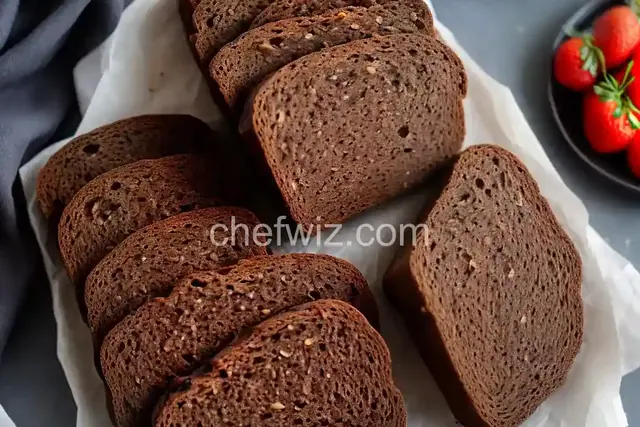
Russian black bread is known for its distinctive taste, texture, and appearance. Its dark color comes from the ingredients used, such as rye flour, molasses, and sometimes cocoa powder. The combination of these ingredients gives the bread a rich, earthy flavor with a slightly sweet undertone.
Unlike fluffy white bread, Russian black bread is dense and hearty. It has a firm crust and a moist, chewy interior. The texture is often described as "toothsome," providing a satisfying bite that lingers on your palate.
Not only is Russian black bread delicious, but it also offers several health benefits. Rye flour, the main ingredient, is rich in fiber, which aids digestion and promotes a healthy gut. It also has a lower glycemic index compared to wheat bread, making it a better choice for those watching their blood sugar levels.
Additionally, Russian black bread contains essential minerals like iron and magnesium, which are important for overall health and well-being. It's a wholesome bread that nourishes both the body and the soul.
Now that you're intrigued by Russian black bread, how can you incorporate it into your diet? It can be enjoyed in various ways, from simple sandwiches to more elaborate dishes.
For a classic Russian experience, try topping a slice of black bread with butter, caviar, or smoked salmon. The combination of flavors is truly indulgent and will transport you to the heart of Russia.
Russian black bread is more than just bread; it's a cultural icon. Its history, unique characteristics, and health benefits make it a beloved staple in Russian cuisine. Whether you enjoy it with butter, caviar, or as the base for a hearty soup, Russian black bread will transport you to a land of tradition and resilience.
Yes, you can! There are many recipes available online that guide you through the process of making Russian black bread from scratch. Give it a try and experience the joy of baking this traditional bread in your own kitchen.
No, Russian black bread is not gluten-free. It is primarily made with rye flour, which contains gluten. If you have a gluten intolerance or allergy, it's best to avoid consuming this bread.
Yes, you can freeze Russian black bread. Slice it before freezing, so you can easily thaw individual portions when needed. Just make sure to wrap it tightly to prevent freezer burn.
Russian black bread can be found in specialty stores that cater to Russian cuisine. You can also try looking for it in international grocery stores or online retailers. Alternatively, you can explore local bakeries that specialize in artisan bread.
Due to its dense texture, Russian black bread has a longer shelf life compared to softer bread. It can stay fresh for up to a week if stored properly in a cool, dry place. To extend its freshness, you can also freeze it.
Black bread is a versatile ingredient in Russian cuisine. It is often used in soups like "borshch" or "solyanka," where it adds depth of flavor and texture. It can also be used to make delicious "open-faced" sandwiches, known as "buterbrod."
No, Russian black bread has a unique taste that sets it apart from other bread varieties. Its distinct flavor profile, combining the earthiness of rye with hints of sweetness, cannot be replicated by other breads.
Absolutely! Russian black bread can be used as a substitute for any bread in your favorite recipes. Its robust flavor and texture will add a new dimension to your dishes. Experiment and let your imagination run wild!
AprilCook, recipe developer and the heart of Chefwiz. More about April