Ropa Vieja (Cuban Beef)
Rate this recipeBe the first to rate
 By AprilPublished
 Are you craving a delicious and hearty meal that will transport you to the vibrant streets of Cuba?
 By AprilPublished
 Are you craving a delicious and hearty meal that will transport you to the vibrant streets of Cuba?
Cut the flank steak in half across the grain.
In a bowl, combine salt, black pepper, and cayenne. Generously season both sides of the steak with the salt mixture.
Heat olive oil in a pot over high heat. Add the steaks and cook for 4 to 5 minutes per side until the outsides are well browned. Transfer the steaks to a plate.
Reduce the heat to medium. Add the red onion, garlic, and more of the salt seasoning to the pot. Cook and stir for 3 to 5 minutes until starting to soften.
Stir in cumin, paprika, oregano, cayenne pepper, cloves, and allspice. Cook and stir for 1 minute.
Pour in white wine, scraping up the browned bits from the bottom of the pot. Stir in tomato sauce and chicken broth.
Return the beef and accumulated juices to the pot. Season with salt and add bay leaves. Reduce the heat to low, cover, and simmer for about 2 hours until the beef is almost fork-tender.
Remove the pot from heat and let the stew cool to room temperature for at least 45 minutes. Refrigerate for 8 hours to overnight.
Remove the beef to a plate and set the stew over medium heat. Tear the beef along the grain into 1/8- to 1/4-inch-wide shreds
Are you craving a delicious and hearty meal that will transport you to the vibrant streets of Cuba? Look no further than Ropa Vieja, a traditional Cuban beef dish that will tantalize your taste buds. In this article, we will explore the origins of Ropa Vieja, its unique preparation method, and why it has become a beloved staple in Cuban cuisine. So, let's dive in and discover the secrets behind this mouthwatering dish!
Imagine yourself strolling through the colorful streets of Havana, surrounded by the rhythmic sounds of salsa music and the aroma of delicious food wafting through the air. Ropa Vieja, which translates to "old clothes" in Spanish, is a dish that embodies the essence of Cuban culture and flavors. It is a dish that has been passed down through generations, with each family adding their own unique twist to the recipe.
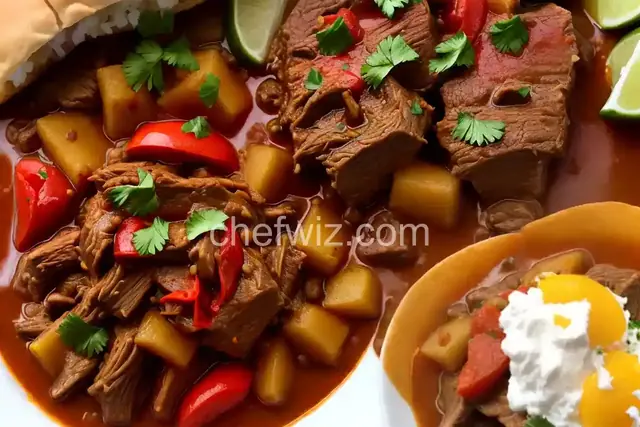
Ropa Vieja is a dish that requires patience and time. The beef is slowly cooked until it becomes tender and falls apart, creating a melt-in-your-mouth texture. The secret to achieving this delectable result lies in the slow cooking process, allowing the flavors to develop and the meat to become incredibly tender.
Just like a symphony, the flavors of Ropa Vieja come together harmoniously. The beef is enhanced by the combination of bell peppers, onions, garlic, and a variety of spices. This medley of ingredients creates a rich and savory sauce that coats the shredded beef, infusing it with incredible flavors.
When you take your first bite of Ropa Vieja, you are hit with a burst of flavors that dance on your palate. The tender beef, the sweetness of the bell peppers, and the warmth of the spices create a symphony of flavors that is truly unforgettable. It is a dish that will transport you to the heart of Cuba, even if you are thousands of miles away.
One of the beauties of Ropa Vieja is its versatility. It can be served with a side of fluffy white rice, black beans, or even plantains. The dish can also be used as a filling for tacos or empanadas, adding a flavorful twist to these classic dishes. Whether you choose to enjoy it as a main course or incorporate it into other recipes, Ropa Vieja will always bring a touch of Cuban flair to your table.
In conclusion, Ropa Vieja is more than just a dish; it is a celebration of Cuban culture and culinary traditions. Its rich flavors, tender beef, and vibrant colors make it a feast for the senses. So why not bring a taste of Cuba into your kitchen and embark on a culinary adventure with Ropa Vieja? Your taste buds will thank you!
Ropa Vieja translates to "old clothes" in English. The name comes from the shredded appearance of the beef, which resembles old, tattered clothing.
While beef is the traditional choice for Ropa Vieja, you can experiment with other meats such as chicken or pork. However, keep in mind that the flavor profile and cooking time may vary.
Ropa Vieja is a slow-cooked dish that requires several hours of cooking time. On average, it takes around 3-4 hours to achieve the desired tenderness and flavor.
Absolutely! Using a slow cooker is a convenient way to prepare Ropa Vieja. Simply add all the ingredients to the slow cooker and cook on low heat for 6-8 hours or on high heat for 3-4 hours.
Ropa Vieja is not inherently spicy, but it can be adjusted to suit your taste preferences. You can add spices like chili powder or cayenne pepper to give it a spicy kick, or omit them if you prefer a milder flavor.
Yes, Ropa Vieja can be frozen for future enjoyment. Allow it to cool completely, then transfer it to airtight containers or freezer bags. It can be stored in the freezer for up to 3 months. When ready to eat, thaw it in the refrigerator overnight and reheat on the stovetop or in the microwave.
Traditional sides to serve with Ropa Vieja include fluffy white rice, black beans, plantains, and fried yuca. These sides complement the flavors of the dish and add variety to your meal.
Yes, Ropa Vieja tastes even better when made ahead of time. The flavors have more time to meld together, resulting in a more flavorful dish. Simply reheat it before serving, and you're ready to enjoy a delicious Cuban feast!
AprilCook, recipe developer and the heart of Chefwiz. More about April