Romesco or Romescu?
Rate this recipeBe the first to rate
 By AprilPublished
 Have you ever come across the terms "Romesco" and "Romescu" and wondered if they are the same thing?
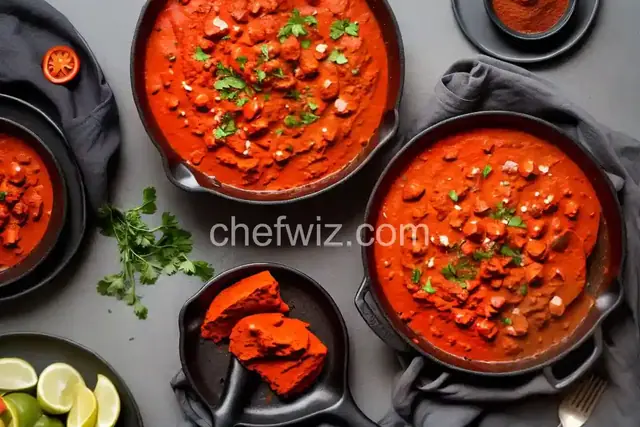 By AprilPublished
 Have you ever come across the terms "Romesco" and "Romescu" and wondered if they are the same thing?
Char the peppers by placing them over a naked gas flame or under a very hot grill or broiler until the entire surface turns black.
Cover the peppers and allow the steam to loosen the black skin.
After 10 minutes of cooling down, remove the cover and rub the black skin away with your hands. You can also do this under a running tap, but it may remove some of the charred flavor.
Remove the core of the peppers and use a kitchen paper to rub away as much of the black skin as possible. It's okay to leave some black bits.
Roughly chop the peppers and set them aside.
Peel the garlic cloves and dice the stale bread.
In a skillet, add olive oil and slightly brown the whole garlic cloves over low heat. Be careful not to brown them too much as they will taste burnt. Remove the garlic from the skillet.
Toast the croutons in the same skillet.
In a food processor, combine all ingredients except for the tomato paste and blend to the desired consistency. Some prefer it to be a little chunky.
Add the tomato paste to the blended mixture.
Season the sauce with chili, paprika, salt, and pepper to your liking.
The Romesco sauce pairs well with focaccia bread and hummus. You can watch the full video on my YouTube channel at this link: [insert YouTube link].
Have you ever come across the terms "Romesco" and "Romescu" and wondered if they are the same thing? Well, you're not alone! These two words are often used interchangeably, causing confusion among food enthusiasts. In this article, we will unravel the mystery and shed light on the differences between Romesco and Romescu.
Let's start by exploring the origins of these two words. Romesco is a Catalan sauce that originated in northeastern Spain. It is believed to have been created by fishermen in the region, using local ingredients such as almonds, garlic, red peppers, and olive oil. On the other hand, Romescu is a common misspelling of Romesco. Due to its phonetic similarity, many people mistakenly refer to the sauce as Romescu.
Now that we know the correct term, let's dive into the ingredients that make up this flavorful sauce. Romesco typically contains roasted red peppers, tomatoes, almonds, garlic, olive oil, and sherry vinegar. These ingredients are combined to create a thick and rich sauce that is bursting with flavors. The roasted red peppers give it a smoky and slightly sweet taste, while the almonds add a nutty and creamy texture.
Romesco sauce is incredibly versatile and can be used in a variety of dishes. It is commonly served with grilled vegetables, fish, meat, or as a dip for crusty bread. Its bold flavors and vibrant colors make it a popular choice among food enthusiasts. Whether you're hosting a dinner party or simply indulging in a quick snack, Romesco sauce is sure to elevate your culinary experience.
Despite its popularity, Romesco sauce is often misunderstood. One common misconception is that it is a type of pesto. While both sauces are delicious and flavorful, they are distinct in their ingredients and preparation. Pesto typically consists of basil, pine nuts, garlic, parmesan cheese, and olive oil. On the other hand, Romesco sauce incorporates different flavors and textures, resulting in a unique taste profile.
In conclusion, Romesco and Romescu are not two different sauces. Romescu is simply a misspelling of Romesco, which is a Catalan sauce originating from northeastern Spain. With its rich flavors and versatility, Romesco sauce has become a beloved condiment in many kitchens around the world. So the next time you come across this delightful sauce, remember to call it by its correct name - Romesco!
Yes, if you have a nut allergy or simply prefer a different taste, you can substitute the almonds with other nuts or seeds like pine nuts or sunflower seeds.
Romesco sauce is not typically spicy. However, you can add a touch of spice by incorporating chili flakes or a dash of hot sauce to suit your taste preferences.
Romesco sauce can be stored in an airtight container in the refrigerator for up to one week.
Yes, Romesco sauce can be frozen for up to three months. Make sure to store it in a freezer-safe container and thaw it in the refrigerator before use.
Yes, Romesco sauce is typically vegan-friendly as it does not contain any animal products. However, it's always a good idea to check the ingredients to ensure there are no non-vegan additives.
Absolutely! The flavors of Romesco sauce work wonderfully as a marinade for grilling or roasting meats and vegetables.
Romesco sauce pairs well with a variety of dishes, including grilled vegetables, roasted meats, seafood, and even pasta.
Yes, if you prefer a thinner sauce, you can add a bit of water or vegetable broth to achieve your desired consistency.
AprilCook, recipe developer and the heart of Chefwiz. More about April