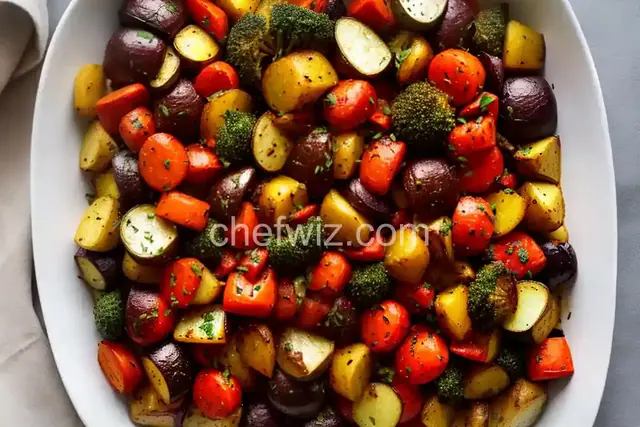
Roasted Winter Vegetables
Rate this recipeBe the first to rate
 By AprilPublished
 Winter is here, and with it comes the opportunity to enjoy a variety of delicious and comforting meals.
 By AprilPublished
 Winter is here, and with it comes the opportunity to enjoy a variety of delicious and comforting meals.
Preheat the oven to 425 degrees F.
Cut the carrots, parsnips, sweet potato, and butternut squash into cubes measuring 1 to 1 1/4 inches. Ensure that the vegetables are not cut too small as they will shrink during baking.
Spread out all the cut vegetables in a single layer on 2 baking sheets.
Drizzle olive oil, salt, and pepper over the vegetables. Mix well to coat them evenly.
Bake for 25 to 35 minutes, or until all the vegetables are tender. Turn the vegetables once using a metal spatula during baking.
Sprinkle the cooked vegetables with parsley and season to taste.
Serve the roasted vegetables hot.
Winter is here, and with it comes the opportunity to enjoy a variety of delicious and comforting meals. One dish that perfectly captures the flavors and warmth of the season is roasted winter vegetables. Whether you're a fan of root vegetables like carrots and potatoes or prefer the earthy flavors of Brussels sprouts and butternut squash, there's a roasted winter vegetable recipe out there for everyone.
Roasting vegetables is a simple yet transformative cooking method that brings out the natural sweetness and depth of flavor in winter produce. As the vegetables roast in the oven, they caramelize, creating a golden crust that adds a delightful crunch. The heat also intensifies the flavors, making each bite a burst of deliciousness.
When it comes to roasted winter vegetables, the possibilities are endless. Root vegetables like carrots, parsnips, and turnips are classic choices that offer a hearty and satisfying texture. They pair perfectly with aromatic herbs like rosemary and thyme. Brussels sprouts, with their slightly bitter taste, become wonderfully caramelized and tender when roasted. And let's not forget about winter squashes like butternut and acorn, which bring a sweet and creamy element to any dish.
Before roasting, it's important to prepare the vegetables properly. Start by washing and peeling any vegetables that require it. Then, cut them into uniform pieces to ensure even cooking. Toss the vegetables in olive oil and season with salt and pepper. For an extra kick of flavor, you can also add spices like paprika, cumin, or garlic powder.
To achieve the perfect roasted winter vegetables, here are some tips and tricks to keep in mind:
Preheating the oven is crucial for ensuring even cooking and that crispy exterior we all love. Set the temperature to around 400°F (200°C) for most vegetables, but adjust accordingly based on the specific recipe.
Give your vegetables plenty of space to roast by using a large baking sheet. Crowding the pan can lead to steaming instead of roasting, resulting in soggy vegetables.
Keep an eye on your vegetables as they roast to prevent them from becoming mushy. The ideal texture is tender on the inside with a slight crispiness on the outside.
Halfway through the cooking time, flip the vegetables to ensure even browning. You can also rotate the baking sheet for more uniform results.
If you're a fan of cheesy goodness, sprinkle some grated Parmesan or crumbled feta over the vegetables during the last few minutes of roasting. The cheese will melt and create a deliciously savory crust.
Roasted winter vegetables are a fantastic addition to any meal during the colder months. They are versatile, packed with flavor, and easy to prepare. Whether you're serving them as a side dish or incorporating them into a hearty salad or pasta, roasted winter vegetables are sure to impress. So, embrace the season and indulge in the deliciousness that roasted winter vegetables have to offer.
While fresh vegetables are generally recommended for roasting, you can roast frozen vegetables. Just make sure to thaw them first and pat them dry to avoid excess moisture.
Roasted vegetables can be stored in an airtight container in the refrigerator for up to 4-5 days. They can also be frozen for longer storage.
Absolutely! Mixing different types of vegetables adds variety and complexity to your dish. Just make sure to cut them into similar sizes so they cook evenly.
Yes, herbs like rosemary, thyme, and sage add wonderful aromatics to roasted vegetables. Simply sprinkle them over the vegetables before roasting.
While oil helps with the caramelization and adds flavor, you can roast vegetables without oil. Just be aware that they may not get as crispy or have the same depth of flavor.
Yes, you can use parchment paper on a baking sheet to prevent sticking and make cleanup easier.
Absolutely! Grilling vegetables adds a smoky flavor and charred edges. Just make sure to use a grill basket or skewers to prevent them from falling through the grates.
Leftover roasted vegetables can be used in a variety of ways. They can be added to salads, sandwiches, wraps, or even blended into soups and purees.
AprilCook, recipe developer and the heart of Chefwiz. More about April