Roasted Shallots With Buttery Sweet-Tart Glaze Recipe
Rate this recipeBe the first to rate
 By AprilPublished
 Are you looking for a delicious and unique side dish to wow your guests?
 By AprilPublished
 Are you looking for a delicious and unique side dish to wow your guests?
Preheat the oven to 400°F (200°C).
In a 12-inch oven-safe skillet, melt the butter over medium-high heat until it starts to foam.
Add the sugar and stir until it dissolves.
Stir in the vinegar and add the thyme. Simmer for about 1 minute until a glaze forms.
Add the shallots to the skillet and season with salt. Stir to coat the shallots with the glaze.
Transfer the skillet to the oven and roast for about 40 minutes, or until the shallots are browned and tender.
Serve the shallots immediately, or refrigerate them for up to 3 days and reheat before serving.
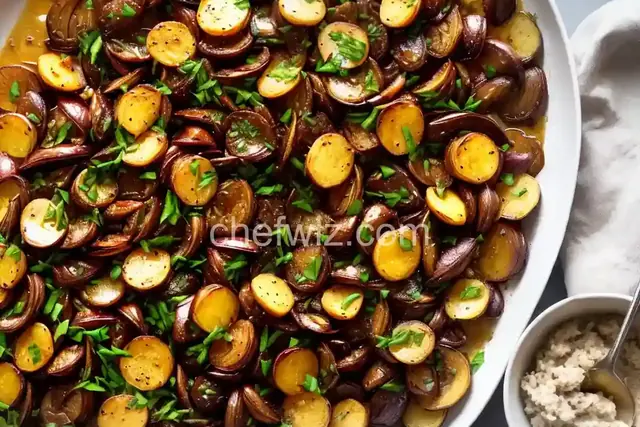
Are you looking for a delicious and unique side dish to wow your guests? Look no further than roasted shallots with a buttery sweet-tart glaze. This recipe takes humble shallots and transforms them into a mouthwatering dish that will have everyone asking for seconds.
Roasting shallots brings out their natural sweetness and enhances their flavor. The process of roasting caramelizes the natural sugars in the shallots, resulting in a soft, tender texture and a rich, sweet taste. It's like unlocking the hidden potential of this humble vegetable.
To take the roasted shallots to the next level, we add a buttery sweet-tart glaze. The combination of butter, sweetness, and a touch of tanginess adds a depth of flavor that perfectly complements the roasted shallots. It's the ultimate balance of flavors that will make your taste buds dance.
Preheat your oven to 400°F (200°C). Peel and trim the shallots, leaving the root intact. Place the shallots on a baking sheet and drizzle with olive oil. Season with salt and pepper, then toss to coat evenly. Roast the shallots for 25-30 minutes, or until they are golden brown and tender.
In a small saucepan, melt butter over medium heat. Add brown sugar, balsamic vinegar, and a pinch of salt. Stir until the sugar has dissolved and the glaze has thickened slightly.
Remove the roasted shallots from the oven and brush them with the buttery sweet-tart glaze. Return the shallots to the oven for an additional 5 minutes to allow the glaze to caramelize.
Roasted shallots with a buttery sweet-tart glaze are a versatile side dish that pairs well with a variety of main courses. Serve them alongside a juicy steak, roasted chicken, or even grilled fish. The sweet and savory flavors of the shallots will complement any protein and elevate your meal to new heights.
Roasted shallots with a buttery sweet-tart glaze are a simple yet elegant side dish that will impress your guests. The combination of roasted shallots and the flavorful glaze creates a taste sensation that will have everyone coming back for more. So why not give this recipe a try and elevate your next meal to a whole new level?
While regular onions can be used, shallots have a milder and sweeter flavor that works exceptionally well in this recipe.
Absolutely! You can prepare the glaze in advance and store it in the refrigerator. Simply reheat it before brushing it onto the roasted shallots.
The shallots should be golden brown and tender when they are done. You can test their doneness by inserting a fork or knife into them; it should glide in easily.
Definitely! Feel free to experiment with different herbs and spices to customize the glaze to your liking. Thyme, rosemary, or even a pinch of cayenne pepper can add an extra layer of flavor.
While balsamic vinegar adds a lovely tanginess to the glaze, you can substitute it with other types of vinegar, such as red wine vinegar or apple cider vinegar.
Absolutely! If you prefer the smoky flavor that grilling imparts, you can roast the shallots on a grill. Just make sure to use a grill basket or wrap them in foil to prevent them from falling through the grates.
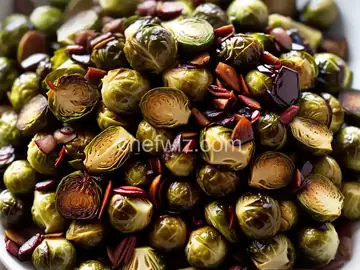
Absolutely! The buttery sweet-tart glaze works well with a variety of roasted vegetables, such as carrots, Brussels sprouts, or even butternut squash. It adds a delicious caramelized flavor and enhances the natural sweetness of the vegetables.
Absolutely! You can easily make this recipe vegetarian by using plant-based butter instead of regular butter. To make it vegan-friendly, simply substitute maple syrup or agave nectar for the brown sugar.
AprilCook, recipe developer and the heart of Chefwiz. More about April