Roasted Kabocha Squash
Rate this recipe4.0 from 1 rating
 By AprilPublished
 When the leaves begin to change and a crispness fills the air, there's nothing quite like the comforting flavors of fall.
 By AprilPublished
 When the leaves begin to change and a crispness fills the air, there's nothing quite like the comforting flavors of fall.
Preheat the oven to 425°F.
Place the whole squash in the oven for 10 minutes to warm it up.
Line 2 baking sheets with parchment paper.
Cut the squash in half lengthwise and remove the ribbing and seeds.
Slice the squash into 1½-inch slices.
Divide the slices among the baking sheets.
Drizzle the slices with olive oil.
Sprinkle salt and pepper over the slices.
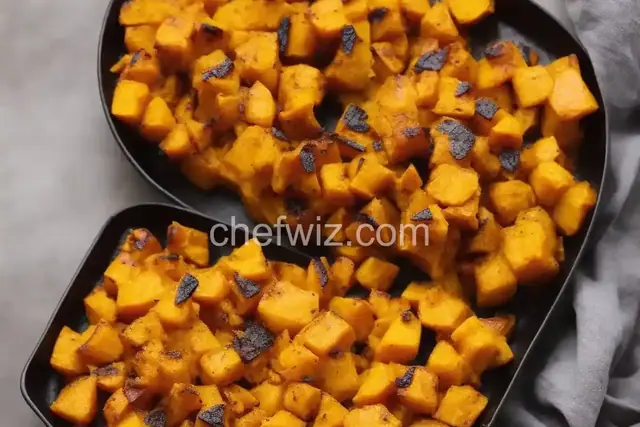
Roast the squash in the oven for 25 to 30 minutes, flipping halfway, until they turn golden brown and become tender.
The skin of the squash should also be tender and is edible.
Arrange the roasted squash on a shallow platter.
Drizzle the squash with the dressing.
Sprinkle scallions, sesame seeds, and microgreens over the squash.
Season with more salt and pepper to taste.
Serve and enjoy.
When the leaves begin to change and a crispness fills the air, there's nothing quite like the comforting flavors of fall. And one ingredient that truly embodies the essence of autumn is the humble kabocha squash. Its vibrant orange color, sweet flavor, and velvety texture make it a delightful addition to any fall feast. In this article, we'll explore the wonders of roasted kabocha squash and discover why it's a must-have on your seasonal menu.
Kabocha squash may not be as well-known as its pumpkin or butternut squash counterparts, but it certainly holds its own when it comes to flavor and versatility. This Japanese variety of winter squash boasts a rich, nutty taste and a smooth, dense flesh that practically melts in your mouth. Whether you roast it, puree it, or turn it into a hearty soup, kabocha squash delivers a unique and satisfying fall experience.
Not only is kabocha squash delicious, but it's also packed with essential nutrients. This low-calorie vegetable is a great source of vitamins A and C, as well as potassium and fiber. Its vibrant orange flesh is an indication of its high beta-carotene content, which supports healthy eyesight and boosts the immune system. So not only will you be indulging in a tasty treat, but you'll also be nourishing your body.
Roasting kabocha squash is a simple yet transformative process that brings out the squash's natural sweetness and enhances its flavors. Just imagine the heavenly aroma that fills your kitchen as the squash caramelizes in the oven. The outer skin becomes slightly crispy, while the inner flesh turns tender and buttery. It's a symphony of textures and tastes that will leave your taste buds singing.
To roast kabocha squash to perfection, start by preheating your oven to 400°F (200°C). Then, cut the squash in half, scoop out the seeds, and slice it into wedges or cubes. Drizzle with olive oil, sprinkle with your favorite fall spices like cinnamon or nutmeg, and season with salt and pepper. Arrange the squash on a baking sheet, making sure not to overcrowd it. Roast for about 30-40 minutes, or until the squash is golden and fork-tender.
Once you have your beautifully roasted kabocha squash, the possibilities are endless. You can enjoy it as a side dish, serve it as a topping for salads or grain bowls, or incorporate it into comforting soups and stews. Its natural sweetness also makes it a perfect ingredient for fall-inspired desserts like pies, cakes, and even ice cream. Let your culinary creativity run wild!
Roasted kabocha squash is truly a fall delight that brings warmth and comfort to your table. Its rich flavor, velvety texture, and nutritional benefits make it a must-have ingredient during the autumn season. Whether you savor it as a side dish, incorporate it into your favorite recipes, or use it as a base for delightful desserts, roasted kabocha squash is sure to impress and satisfy. So embrace the flavors of fall and indulge in the magic of this seasonal treat!
When choosing a kabocha squash, look for ones that are heavy for their size and have a deep, even color. Avoid squash with any soft spots or blemishes.
Yes, the skin of roasted kabocha squash is edible and adds a lovely texture to your dish. Just make sure to wash it thoroughly before cooking.
Absolutely! Roasted kabocha squash freezes well. Simply let it cool completely, transfer it to a freezer-safe container, and store it for up to three months.
Aside from cinnamon and nutmeg, you can experiment with spices like ginger, cloves, or even a dash of cayenne pepper for a hint of heat.
Definitely! Kabocha squash can be a great substitute for pumpkin in most recipes, particularly in pies, soups, and desserts.
Uncut kabocha squash can be stored in a cool, dry place for several weeks. Just make sure to keep it away from direct sunlight and moisture.
Roasted kabocha squash pairs beautifully with warming spices like cinnamon, ginger, and nutmeg. It also complements savory ingredients like sage, rosemary, and caramelized onions.
Yes, you can! Just like pumpkin seeds, kabocha squash seeds can be roasted and enjoyed as a healthy and crunchy snack.
AprilCook, recipe developer and the heart of Chefwiz. More about April