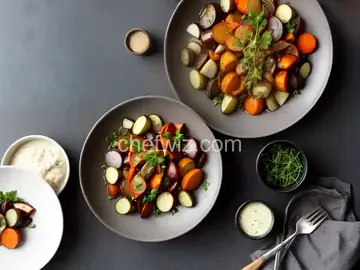
Roasted Fall Vegetables
Rate this recipeBe the first to rate
 By AprilPublished
 Fall is the season of vibrant colors, cozy sweaters, and hearty comfort food.
 By AprilPublished
 Fall is the season of vibrant colors, cozy sweaters, and hearty comfort food.
Preheat the oven to 425 degrees F (220 degrees C).
In a 9x9 inch baking dish, arrange the beets and turnip.
Cut an X in the root end of the onions and place them in the dish.
Drizzle olive oil over the vegetables.
Sprinkle rosemary and salt over the vegetables.
Stir the vegetables to ensure they are evenly coated with oil.
Bake in the preheated oven for 1 hour, or until the vegetables are golden brown and tender.
Serve hot.
Fall is the season of vibrant colors, cozy sweaters, and hearty comfort food. And what better way to celebrate the crispness in the air than by indulging in a plate full of roasted fall vegetables? This simple yet satisfying dish is a staple on many dinner tables during the autumn months. In this article, we will explore why roasted fall vegetables are a must-try, their nutritional benefits, and how to prepare them to perfection.
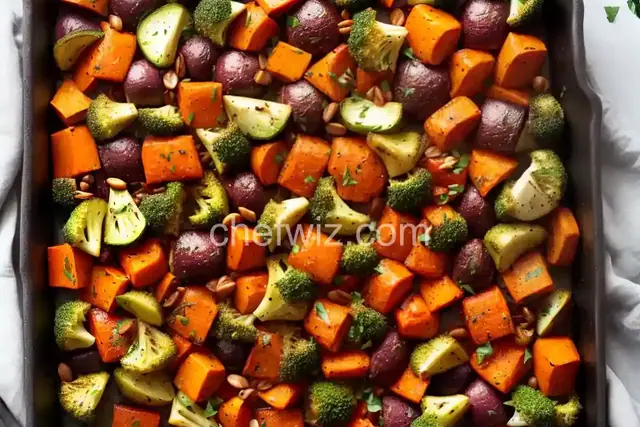
Roasting vegetables is a culinary technique that brings out the natural sweetness and flavors of the ingredients. When roasted, fall vegetables like butternut squash, Brussels sprouts, and sweet potatoes develop a caramelized exterior and a tender, melt-in-your-mouth interior. The combination of textures and flavors creates a delightful symphony for your taste buds.
Not only are roasted fall vegetables delicious, but they are also packed with essential nutrients. From vitamins to minerals, these colorful vegetables offer a wide range of health benefits. For example, butternut squash is rich in vitamin A, which supports healthy vision and a robust immune system. Brussels sprouts are a great source of vitamin C, known for its antioxidant properties. And sweet potatoes provide a healthy dose of fiber and vitamin B6, crucial for brain function.
To prepare roasted fall vegetables, start by preheating your oven to 425°F (220°C). Wash and chop your favorite fall vegetables into bite-sized pieces. Toss them in a bowl with olive oil, salt, pepper, and any other desired seasonings. Spread the vegetables evenly on a baking sheet and roast for about 30-40 minutes, or until they are tender and golden brown. Serve them as a side dish or as a hearty main course.
Roasted fall vegetables are a delightful and nutritious addition to any autumn meal. Their rich flavors, vibrant colors, and health benefits make them a must-try dish during the fall season. Whether you enjoy them as a side dish or a main course, roasted fall vegetables are sure to impress your taste buds and nourish your body. So, grab your favorite fall vegetables, fire up the oven, and savor the essence of autumn with this simple yet satisfying dish.
While fresh vegetables are ideal for roasting, you can still achieve delicious results with frozen vegetables. Just make sure to thaw them before roasting and pat them dry to remove any excess moisture.
Experiment with different seasonings like garlic powder, paprika, or rosemary. You can also drizzle balsamic glaze or sprinkle grated parmesan cheese over the roasted vegetables for an extra kick of flavor.
Absolutely! Roasting different vegetables together adds variety and visual appeal to your dish. Just be mindful of the cooking times of each vegetable and adjust accordingly.
Yes, roasted fall vegetables are a fantastic option for both vegetarian and vegan diets. They are naturally plant-based, gluten-free, and bursting with flavor and nutrients.
Yes, you can store leftover roasted fall vegetables in an airtight container in the refrigerator for up to three days. They make a delicious addition to salads, grain bowls, or wraps.
While it is possible to freeze roasted fall vegetables, their texture may slightly change upon thawing. It is best to enjoy them fresh or refrigerate leftovers for later consumption.
Absolutely! Feel free to experiment with different fall vegetables like carrots, parsnips, or turnips. The key is to use vegetables that are in season for the best flavor and freshness.
Yes, roasted fall vegetables can be a great way to introduce kids to a variety of flavors and textures. You can even involve them in the preparation process to make it a fun and educational experience.
AprilCook, recipe developer and the heart of Chefwiz. More about April