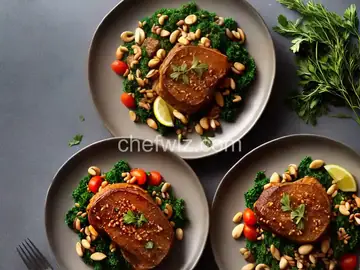
Roasted Eggplant
Rate this recipeBe the first to rate
 By AprilPublished
 When it comes to versatile vegetables, eggplants take center stage.
 By AprilPublished
 When it comes to versatile vegetables, eggplants take center stage.
Prepare the eggplant by either roasting it whole, cutting it in half, or cutting it into wedges.
If roasting whole or in halves, score the flesh in a cross-hatch pattern with a sharp knife and season with salt and pepper.
Place the eggplant cut side down on an oiled sheet pan or directly on the oiled sheet pan if roasting whole.
Roast at 400°F until the eggplant is soft, testing at the stem end to check for doneness.
Once cooked, scoop out the tender flesh.
If roasting in slices or wedges, trim off the stem and blossom ends of the eggplant.
Cut the eggplant lengthwise into thick wedges or crosswise into fairly thick slices (around 1/2 inch thick).
Salt the pieces generously and let them stand for a few minutes.
Preheat the oven to 400°F and oil a baking sheet or shallow pan.
Lay the eggplant pieces flat on the pan and oil the upper side.
Bake for 20 to 35 minutes, depending on the size of the wedges or slices, until the eggplant is soft all over and brown on the underside.
If the pieces are sticking, allow them to cool for a few moments before lifting.
Serve immediately or dress with wine vinegar, slices of garlic, chopped herbs, extra-virgin olive oil
When it comes to versatile vegetables, eggplants take center stage. With their vibrant purple skin and unique shape, these beauties are not only visually appealing but also packed with flavor and nutrients. One of the best ways to enjoy the richness of eggplants is by roasting them to perfection. In this article, we will explore the wonders of roasted eggplant, from its mouthwatering taste to its numerous health benefits. So, let's dive in and discover why roasted eggplant should be a staple in your kitchen.
Roasting eggplant transforms its texture and flavor, taking it to a whole new level of culinary delight. As the heat works its magic, the eggplant softens, becoming creamy and luscious on the inside while developing a slightly crispy exterior. This contrast in textures is simply heavenly, making each bite a delightful experience.
But what about the taste? Roasting eggplant brings out its natural sweetness and enhances its unique earthy flavor. The caramelization that occurs during the roasting process adds depth and richness to the vegetable, making it irresistible. Whether you enjoy it as a standalone dish or incorporate it into various recipes, roasted eggplant will surely satisfy your taste buds.
Not only is roasted eggplant a culinary delight, but it also offers several health benefits. First and foremost, eggplants are low in calories and high in fiber, making them an excellent choice for weight management and digestive health. The fiber content aids in promoting satiety and regulating bowel movements, keeping your tummy happy and your waistline in check.
Additionally, eggplants are a great source of antioxidants, including anthocyanins, which give them their vibrant purple color. These antioxidants help protect your body's cells from damage caused by free radicals, reducing the risk of chronic diseases such as heart disease and certain types of cancer.
Furthermore, roasted eggplant contains vitamins and minerals that are essential for overall well-being. It is rich in vitamin C, vitamin K, and potassium, supporting immune function, bone health, and blood pressure regulation, respectively.
Now that you're aware of the wonders of roasted eggplant, it's time to explore how you can incorporate this versatile vegetable into your meals. The possibilities are endless! You can use roasted eggplant as a flavorful topping for pizzas and sandwiches, toss it into salads for an extra dose of goodness, or blend it with other ingredients to create a creamy and delicious dip. The choice is yours.
For a simple yet satisfying side dish, you can serve roasted eggplant alongside grilled meats or fish. The smoky flavor of the eggplant pairs perfectly with the savory notes of these protein-packed options, creating a well-balanced and nutritious meal.
In summary, roasted eggplant is a delightful vegetable that offers a myriad of flavors and health benefits. Its creamy and caramelized texture, combined with its rich and earthy taste, makes it a true culinary treasure. From its low calorie and high fiber content to its abundance of antioxidants and essential nutrients, roasted eggplant is a fantastic addition to any balanced diet.
So why not bring some purple magic into your kitchen and start enjoying the wonders of roasted eggplant today? Your taste buds and body will thank you!
Absolutely! Roasted eggplant is a fantastic option for both vegetarians and vegans as it provides a substantial and flavorful alternative to meat-based dishes.
Yes, you can freeze roasted eggplant. Be sure to let it cool completely before transferring it to an airtight container or freezer bag. It can be stored in the freezer for up to three months.
Roasting eggplant does cause a slight decrease in certain nutrients, such as vitamin C. However, it remains a highly nutritious vegetable, and the benefits it offers far outweigh any minimal nutrient loss.
Yes, you can roast eggplant without oil. Simply place the eggplant slices on a parchment-lined baking sheet and season them with your favorite herbs and spices. The result will be a lighter, oil-free version of roasted eggplant.
The eggplant is fully roasted when it becomes tender and golden brown. You can test its doneness by inserting a fork or knife into the flesh. If it goes in smoothly, the eggplant is ready to be devoured!
Absolutely! The skin of roasted eggplant is not only edible but also adds an extra layer of texture and flavor to the dish. So don't hesitate to enjoy it along with the creamy flesh.
The roasting time for eggplant can vary depending on its size and thickness. On average, it takes about 30-40 minutes at a temperature of 400°F (200°C) to achieve that perfect caramelization and tenderness.
Absolutely! While the classic purple eggplant is commonly used for roasting, you can also experiment with other varieties such as the smaller Japanese eggplant or the elegant white eggplant. Each variety has its own unique flavor profile and texture, adding excitement to your roasted eggplant dishes.
AprilCook, recipe developer and the heart of Chefwiz. More about April