Roasted Beets and Carrots
Rate this recipeBe the first to rate
 By AprilPublished
 Have you ever craved a dish that combines the earthy sweetness of beets with the vibrant crunch of carrots?
 By AprilPublished
 Have you ever craved a dish that combines the earthy sweetness of beets with the vibrant crunch of carrots?
Preheat the oven to 425°F.
Wrap the beets tightly in foil, creating two separate packages.
Place the packaged beets in the middle of the oven and roast them until they become tender, which should take approximately 1 1/4 hours.
In a shallow baking pan, combine the carrots with oil, salt, and pepper to taste.
Remove the beets from the oven and place the carrots in the middle of the oven. Roast the carrots until they become tender, which should take about 20 minutes.
While the carrots are roasting, unwrap the beets and allow them to cool slightly. Then, remove the skins and stems from each beet, and cut them into 6 wedges.
Add the beets to the carrots, mixing them together. Continue roasting until the beets are heated and the carrots are very tender, which should take approximately 15 minutes more.
Have you ever craved a dish that combines the earthy sweetness of beets with the vibrant crunch of carrots? Look no further! In this article, we will explore the delightful world of roasted beets and carrots, a mouthwatering combination that will satisfy your taste buds and nourish your body. Get ready to embark on a culinary journey filled with color, flavor, and nutrition!
Roasting vegetables is like turning them into culinary gems. The process of roasting intensifies their natural flavors, caramelizes their sugars, and creates a delightful contrast between tender insides and crispy exteriors. When it comes to beets and carrots, roasting brings out their inherent sweetness and adds a depth of flavor that is simply irresistible.
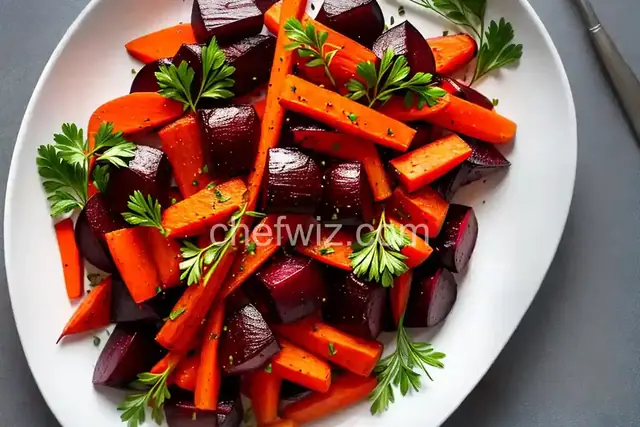
Imagine the beets and carrots, seasoned with aromatic herbs and spices, roasting in the oven. The heat transforms their vibrant hues into a rich tapestry of jewel tones. As they cook, the natural sugars caramelize, creating a slightly crisp exterior while maintaining a luscious tenderness inside. The result is a dish that is not only visually stunning but also incredibly delicious.
Roasted beets and carrots are not just a treat for your taste buds; they also offer a plethora of health benefits. These colorful root vegetables are packed with vitamins, minerals, and antioxidants that support overall well-being. Beets are known for their high levels of dietary fiber, which aids digestion, and their rich folate content, which is important for cell growth and repair.
Carrots, on the other hand, are a great source of beta-carotene, a precursor to Vitamin A, which promotes good vision and a healthy immune system. They are also rich in vitamin K, which is essential for blood clotting and bone health. By incorporating roasted beets and carrots into your diet, you are not only indulging in a delicious dish but also nourishing your body from the inside out.
One of the best things about roasted beets and carrots is their versatility in the kitchen. They can be enjoyed as a side dish to complement a main course, added to salads for an extra crunch and flavor, or even used as a filling for wraps and sandwiches. The possibilities are endless!
For a simple yet satisfying meal, try tossing roasted beets and carrots with some cooked quinoa, fresh greens, and a light vinaigrette. The combination of textures and flavors will create a delightful harmony that will leave you wanting more. You can also experiment with different seasonings and herbs to customize the dish to your liking.
Roasted beets and carrots are a culinary match made in heaven. Their natural sweetness, vibrant colors, and health benefits make them a delightful addition to any meal. Whether you are a seasoned cook or a novice in the kitchen, this simple yet flavorful dish will surely impress your taste buds and provide a nourishing experience for your body. So why wait? Grab some beets, carrots, and your favorite seasonings, and get ready to roast your way to culinary bliss!
Roasting times can vary depending on the size and thickness of the vegetables. As a general guideline, whole beets may take around 45-60 minutes, while carrot sticks can be roasted in 20-30 minutes. It's best to check for tenderness with a fork or knife to ensure they are cooked to your desired level.
While it's not necessary to peel the vegetables before roasting, many prefer to do so for a smoother texture. The skin of both beets and carrots is edible and contains valuable nutrients, so leaving them unpeeled is also an option if you prefer.
Absolutely! Roasting beets and carrots alongside other vegetables like potatoes, onions, or Brussels sprouts can create a delicious medley of flavors and textures. Just ensure that the vegetables you choose have similar roasting times to avoid overcooking or undercooking any of them.
Yes, roasted beets and carrots can be stored in an airtight container in the refrigerator for up to 5 days. They can be enjoyed cold as part of a salad or reheated gently in the oven or microwave. However, be aware that reheating may slightly change the texture of the vegetables.
Absolutely! While the classic combination of olive oil, salt, and pepper is delicious, you can experiment with a variety of herbs and spices to add different flavors to your roasted beets and carrots. Some popular options include thyme, rosemary, cumin, paprika, and balsamic vinegar.
Definitely! There are various types of beets and carrots available, each with its own unique flavor and color. Feel free to use different varieties like golden beets, Chioggia beets, or rainbow carrots to add visual interest and a diverse flavor profile to your roasted dish.
Absolutely! Roasted beets and carrots are naturally vegan and vegetarian-friendly. They can be enjoyed as a standalone dish or incorporated into a variety of plant-based meals. Their natural sweetness and versatility make them a great addition to any vegan or vegetarian diet.
While it is possible to freeze roasted beets and carrots, the texture may change upon thawing. The vegetables may become slightly softer, but they can still be used in soups, stews, or purees. It's best to freeze them in an airtight container or freezer bag and consume them within 2-3 months for optimal quality.
AprilCook, recipe developer and the heart of Chefwiz. More about April