Roast Pheasant
Rate this recipeBe the first to rate
 By AprilPublished
 Picture this: a crisp autumn day, the leaves turning shades of gold and red, and the tantalizing aroma of a succulent roast filling your home.
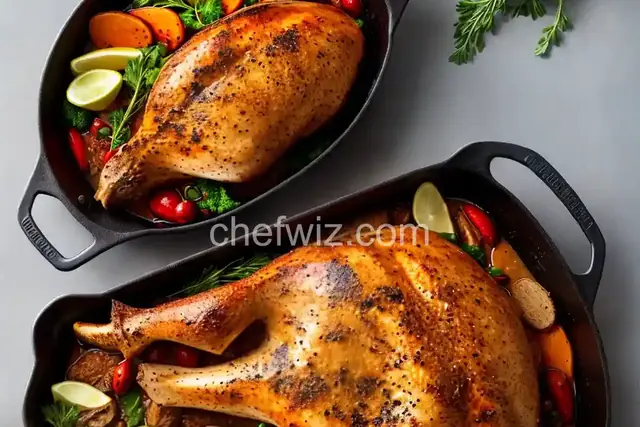 By AprilPublished
 Picture this: a crisp autumn day, the leaves turning shades of gold and red, and the tantalizing aroma of a succulent roast filling your home.
Preheat your oven to 250 degrees F (120 degrees C).
In a liquid measure, combine olive oil with rosemary and thyme. Set aside.
Season the pheasant inside and out with salt and pepper. Place it in a roasting pan that fits tightly.
Pour the herb oil mixture over the pheasant.
Bake in the preheated oven for 1 hour.
After 1 hour, cover the pheasant with aluminum foil and continue baking.
Bake until an instant-read thermometer inserted into the thickest part of the thigh, near the bone, reads 180 degrees F (82 degrees C). This should take about 1 hour more.
Every 30 minutes during baking, baste the pheasant with the pan juices.
Remove the pheasant from the oven and cover it with a doubled sheet of aluminum foil.
Allow the pheasant to rest in a warm area for 10 minutes before slicing.
Picture this: a crisp autumn day, the leaves turning shades of gold and red, and the tantalizing aroma of a succulent roast filling your home. What better way to celebrate the season than with a roast pheasant? Tender and flavorful, this game bird is a culinary delight that can elevate any meal to new heights. In this article, we will explore the art of roasting pheasant, from its preparation to the serving suggestions that will leave your guests begging for more.
Before embarking on your roast pheasant journey, it is essential to prepare the bird properly. Just like a painter priming their canvas, the way you handle and season the pheasant will greatly impact the final dish. With a few simple steps, you can ensure a moist and flavorful outcome.
First, give your pheasant a thorough cleaning, removing any feathers, quills, or excess fat. Trimming the bird helps to achieve even cooking and prevents any undesirable flavors from permeating the meat. A well-trimmed pheasant is like a finely sculpted masterpiece, ready to be appreciated by the senses.
Next comes the seasoning, where you can let your culinary creativity soar. A sprinkle of salt and pepper is a classic choice, but why not go the extra mile? Infuse the pheasant with a blend of herbs and spices that will awaken the taste buds. Imagine the flavors intertwining like a perfectly choreographed dance, resulting in a symphony of delight with every bite.
Now that your pheasant is primed and ready, it's time to embark on the roasting process. This is where the magic happens, as the flavors meld together, creating a tantalizing aroma that permeates your home.
There are various methods to roast a pheasant, each with its unique advantages. Whether you opt for the traditional oven roasting or prefer the smoky char of a barbecue, the choice is yours. Just like an artist selecting their medium, the roasting method sets the stage for the final masterpiece.
The key to a perfectly roasted pheasant lies in achieving the ideal temperature and timing. Too hot, and the meat will dry out, losing its tenderness. Too cold, and it will remain undercooked, leaving your guests disappointed. Finding that sweet spot is like finding the perfect balance in life, where everything comes together harmoniously.
As the beautifully roasted pheasant emerges from the oven, you may wonder how to best showcase this culinary creation. Fear not, for we have delightful serving suggestions that will complement the flavors and elevate your dining experience.
Pairing the roasted pheasant with the right accompaniments can turn a good meal into an extraordinary one. Think of it as selecting the perfect frame for a masterpiece. From creamy mashed potatoes to caramelized root vegetables, each side dish enhances the flavors of the pheasant and provides a well-rounded dining experience.
A luscious sauce can elevate the taste of the pheasant to new heights. Whether you opt for a rich red wine reduction or a tangy citrus glaze, the sauce adds depth and complexity to the dish. It's like the final brushstroke on a painting, tying everything together in a harmonious symphony of flavors.
In conclusion, roast pheasant is a culinary adventure that can transport you to a world of exquisite flavors and aromas. Like a well-executed masterpiece, the preparation and roasting process require careful attention to detail. By following the steps outlined in this article, you can create a roast pheasant that will impress even the most discerning palates.
Cooking pheasant may seem intimidating, but with the right techniques and guidance, it can be a rewarding culinary experience.
While pheasant has a unique flavor, you can experiment with other game birds like quail or duck if you prefer.
A meat thermometer is the most reliable way to ensure your pheasant is cooked to perfection. The internal temperature should reach 165°F (74°C).
Marinating the pheasant overnight can enhance the flavors and tenderness of the meat. However, be cautious not to marinate for too long, as it may overpower the delicate taste of the bird.
The pan juices from roasting the pheasant can be used to make a flavorful gravy or sauce to accompany the dish.
Yes, leftover roast pheasant can be frozen for future enjoyment. Ensure it is properly stored in an airtight container or freezer bag.
For those who prefer a vegetarian option, stuffed acorn squash or portobello mushrooms can be delightful alternatives.
Roast pheasant is an excellent choice for special occasions, as it adds an air of elegance and sophistication to any gathering.
AprilCook, recipe developer and the heart of Chefwiz. More about April