Risotto alla Pavese
Rate this recipeBe the first to rate
 By AprilPublished
 Are you a fan of Italian cuisine? If so, you're in for a treat!
 By AprilPublished
 Are you a fan of Italian cuisine? If so, you're in for a treat!
In a large saucepan, pour vegetable broth and bring it to a boil.
Once boiling, add fresh cranberry beans and bring it back to a boil.
Reduce the heat and let the beans simmer for about 20 to 25 minutes, until they are soft but not mushy.
Use a slotted spoon to remove the beans from the saucepan, leaving the vegetable broth in the pan on medium-low heat.
In another large saucepan, heat olive oil and butter over medium-high heat.
Add onion, garlic, a whole sprig of rosemary, bay leaf, and sage to the saucepan.
Sauté the mixture until the onion becomes soft and translucent, which should take around 7 minutes.
Add the rice to the saucepan and stir it for 2 to 3 minutes, toasting the rice.
Once the rice is toasted, add the drained beans to the saucepan and stir until they are well coated.
Pour in the white wine and stir until it is fully absorbed.
Gradually add 1/2 cup of broth to the rice at a time, stirring continuously, until the liquid is absorbed and the rice becomes al dente.
Stir in the tomato sauce until the mixture becomes creamy and thick. This process will take approximately 18 minutes.
Remove the saucepan from the heat and let the risotto stand for 2 minutes.
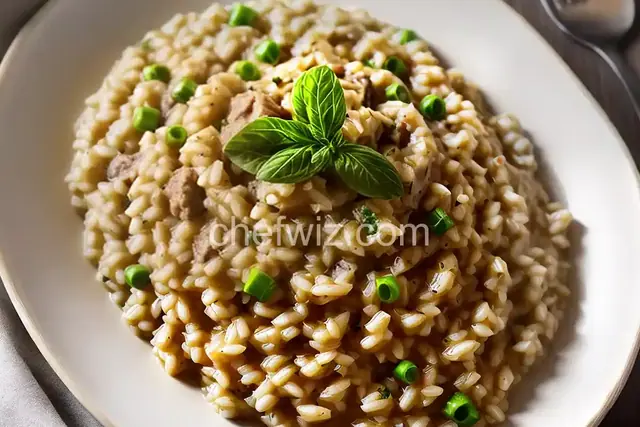
Are you a fan of Italian cuisine? If so, you're in for a treat! Today, we're going to talk about a classic Italian dish called Risotto alla Pavese. This creamy and flavorful rice dish hails from the Lombardy region of Italy and is a true delight for your taste buds.
Risotto alla Pavese is a traditional Italian dish named after the city of Pavia in Lombardy. It is a variation of the popular risotto dish, but with a unique twist. The highlight of this dish is the addition of a fried egg on top, which adds a rich and velvety texture to the creamy risotto.
To prepare Risotto alla Pavese, you start by sautéing onions and garlic in a pan with some butter or olive oil. Then, you add Arborio rice and stir it until it becomes translucent. The next step is to add a splash of white wine and let it cook until it evaporates.
Once the wine has evaporated, you can start adding hot broth, one ladle at a time, while continuously stirring the rice. This slow and patient process allows the rice to absorb the flavors of the broth and develop its signature creamy texture.
When the risotto is almost done, you can add grated Parmesan cheese and butter to make it even more indulgent. Finally, the risotto is served with a fried egg on top, creating a beautiful combination of flavors and textures.
Risotto alla Pavese is a beloved dish in Italy for several reasons. Firstly, the creamy and rich texture of the risotto, combined with the smoothness of the fried egg, creates a heavenly mouthfeel. Secondly, the flavors are perfectly balanced, with the nuttiness of the Parmesan cheese complementing the savory risotto.
Additionally, the dish's simplicity and versatility make it a favorite among home cooks and professional chefs alike. You can easily customize the risotto by adding your favorite vegetables or proteins, making it a perfect canvas for creativity in the kitchen.
Risotto alla Pavese is usually served as a main course, accompanied by a fresh salad or some crusty bread. The dish is best enjoyed immediately after cooking, while the risotto is still hot and the fried egg is perfectly runny.
Absolutely! Risotto alla Pavese can easily be made vegetarian-friendly by using vegetable broth instead of chicken or beef broth. You can also add some roasted vegetables, such as mushrooms or asparagus, to enhance the flavor and make it a more substantial meal.
If you want to take your Risotto alla Pavese to the next level of creaminess, there are a few tips and tricks you can try. Firstly, make sure to use Arborio or Carnaroli rice, as they have a higher starch content. Secondly, stir the rice continuously while adding the broth to release more starch and create a creamier texture. Finally, don't forget to add a generous amount of butter and Parmesan cheese at the end.
When it comes to wine pairing, a light and crisp white wine, such as Pinot Grigio or Sauvignon Blanc, is an excellent choice for Risotto alla Pavese. The acidity of the wine cuts through the richness of the dish and enhances the flavors.
While risotto may seem intimidating to some, Risotto alla Pavese is actually quite simple to make. The key is to have patience and give the rice enough time to absorb the broth. As long as you follow the steps and techniques mentioned earlier, you'll be rewarded with a delicious and satisfying dish.
Yes, you can certainly reheat leftover Risotto alla Pavese. However, keep in mind that risotto tends to dry out when reheated, so it's best to add a splash of broth or water and gently heat it on the stovetop. This will help restore the creaminess and prevent the rice from becoming too mushy.
Risotto alla Pavese is naturally gluten-free. However, it's important to check the ingredients of any store-bought broth or stock you use, as some may contain gluten. If you make your own broth at home, you can ensure it's gluten-free.
While risotto is best enjoyed immediately after cooking, you can prepare some of the steps in advance to save time. You can sauté the onions and garlic, cook the rice until translucent, and then refrigerate them. When you're ready to serve, simply heat up the rice, add the broth, and continue with the recipe as usual.
Risotto alla Pavese is a versatile dish that can be customized to suit your taste. You can add different vegetables, such as peas, mushrooms, or asparagus, to give it a fresh twist. You can also experiment with proteins like chicken, shrimp, or even pancetta to add more depth of flavor.
Risotto alla Pavese is not just a dish; it's an experience. The creamy risotto, combined with the velvety fried egg, creates a harmony of flavors and textures that will transport you to the heart of Italy. It's a dish that showcases the simplicity and elegance of Italian cuisine, and it's definitely worth trying.
Risotto alla Pavese is a classic Italian dish that deserves a place in your culinary repertoire. With its creamy texture, rich flavors, and versatile nature, it's a dish that will satisfy both your palate and your soul. So why not give it a try and experience the magic of Risotto alla Pavese for yourself?
AprilCook, recipe developer and the heart of Chefwiz. More about April