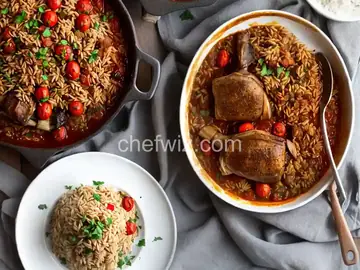
Risi e Bisi -- Italian style rice and peas
Rate this recipeBe the first to rate
 By AprilPublished
 Are you looking for a delicious and comforting dish to satisfy your cravings?
 By AprilPublished
 Are you looking for a delicious and comforting dish to satisfy your cravings?
In a small pot, heat the chicken stock over low heat.
Heat a medium-sized skillet over medium heat, then add extra-virgin olive oil and garlic. Saute the garlic for 1 minute.
Add Arborio rice to the skillet and toast it for 2 minutes.
Ladle in 1/3 of the chicken stock and bring it to a bubble.
Stir the rice occasionally, allowing it to absorb the stock and become starchy.
Add more stock when the rice starts to become dry.
Continue stirring and adding broth until the rice is al dente, which should take about 22 minutes.
Stir in peas and cheese, and season with salt and pepper according to your taste.
Serve the dish immediately.
Are you looking for a delicious and comforting dish to satisfy your cravings? Look no further than Risi e Bisi, the traditional Italian dish that combines the simplicity of rice and the freshness of peas to create a mouthwatering experience. In this article, we will explore the origins of Risi e Bisi, its unique flavor profile, and why it has become a staple in Italian cuisine.
Risi e Bisi, which translates to "rice and peas" in English, is a dish that originated in the Veneto region of Italy. It is often referred to as a risotto due to its creamy texture, but it is not made with the usual Arborio or Carnaroli rice. Instead, Risi e Bisi is made with a special type of short-grain rice known as Vialone Nano, which is native to the Veneto region.
Legend has it that Risi e Bisi was created as a way to honor the Venetian Doge, the ruler of the Republic of Venice. It was traditionally served on April 25th, St. Mark's Day, which coincided with the beginning of the pea harvest. The dish was considered a symbol of wealth and prosperity, as peas were once a luxury ingredient in Italy.
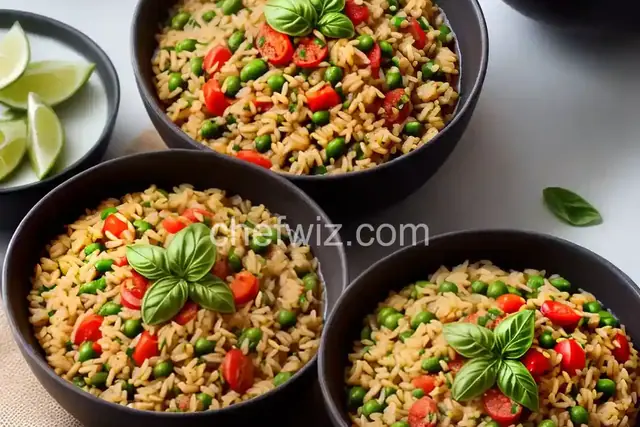
Risi e Bisi is a dish that beautifully combines the creamy richness of the rice with the vibrant sweetness of the peas. The rice is cooked slowly in a flavorful broth until it reaches a creamy consistency, while the peas add a burst of freshness to each bite.
One of the key elements that sets Risi e Bisi apart from other rice dishes is the use of pancetta, a type of Italian bacon. The pancetta is sautéed with onions and garlic, infusing the dish with a savory, smoky flavor. The combination of these ingredients creates a harmony of flavors that is both comforting and satisfying.
Risi e Bisi has become a beloved dish in Italian cuisine, not only for its delicious taste but also for its versatility. It can be served as a main course or as a side dish, depending on the occasion. It pairs well with a variety of proteins, such as grilled chicken or fish, and can even be enjoyed on its own as a vegetarian dish.
What makes Risi e Bisi truly special is its ability to bring people together. Whether it's a family gathering or a festive celebration, this dish has the power to create lasting memories. The act of preparing and sharing Risi e Bisi is a labor of love, a way to connect with loved ones and celebrate the joy of good food.
Risi e Bisi is a true gem in Italian cuisine, capturing the essence of simplicity and freshness. With its creamy texture and vibrant flavors, it has the power to transport you to the heart of Italy with each spoonful. Whether you're a seasoned chef or a beginner in the kitchen, Risi e Bisi is a dish that is sure to impress and satisfy. So why not give it a try and experience the magic of this traditional Italian delight?
While it is traditionally made with Vialone Nano rice, you can experiment with other short-grain rice varieties. Just keep in mind that the texture and cooking time may vary.
Absolutely! While fresh peas are preferred, frozen peas can be used as a convenient alternative. Just be sure to thaw them before adding them to the dish.
Although pancetta is the traditional choice, bacon can be used as a substitute if pancetta is not readily available. Just be aware that the flavor profile may differ slightly.
Yes, Risi e Bisi is naturally gluten-free as long as you use gluten-free broth and check the labels of any additional ingredients you may add.
While peas are the star of this dish, you can certainly add other vegetables such as carrots or asparagus to enhance the flavor and nutritional value.
The cooking time can vary depending on the rice you use, but on average, it takes about 20-25 minutes for the rice to reach the desired creamy consistency.
While Risi e Bisi is best enjoyed fresh, you can prepare it in advance and reheat it gently over low heat. Just be sure to add a splash of broth or water to restore the creamy texture.
Unfortunately, due to the creamy nature of the dish, freezing may alter the texture and flavor. It is best to enjoy Risi e Bisi fresh for the best culinary experience.
AprilCook, recipe developer and the heart of Chefwiz. More about April